AirPods 5 put Active Noise Cancellation into Apple’s cheapest earbuds, starting at $129 with a second model at $149.
Apple says they remove up to 50 percent more noise than AirPods 4 with ANC, using a new acoustic design and the H2 chip.
The two models are not identical beyond the case, and the battery figures differ. Here is the full breakdown.
AirPods 5 Specs and Price at a Glance
All figures below come from Apple’s published specification sheet for the product.
| Specification | AirPods 5 |
|---|---|
| Price | $129, or $149 with the Wireless Charging Case |
| Chip | H2 headphone chip |
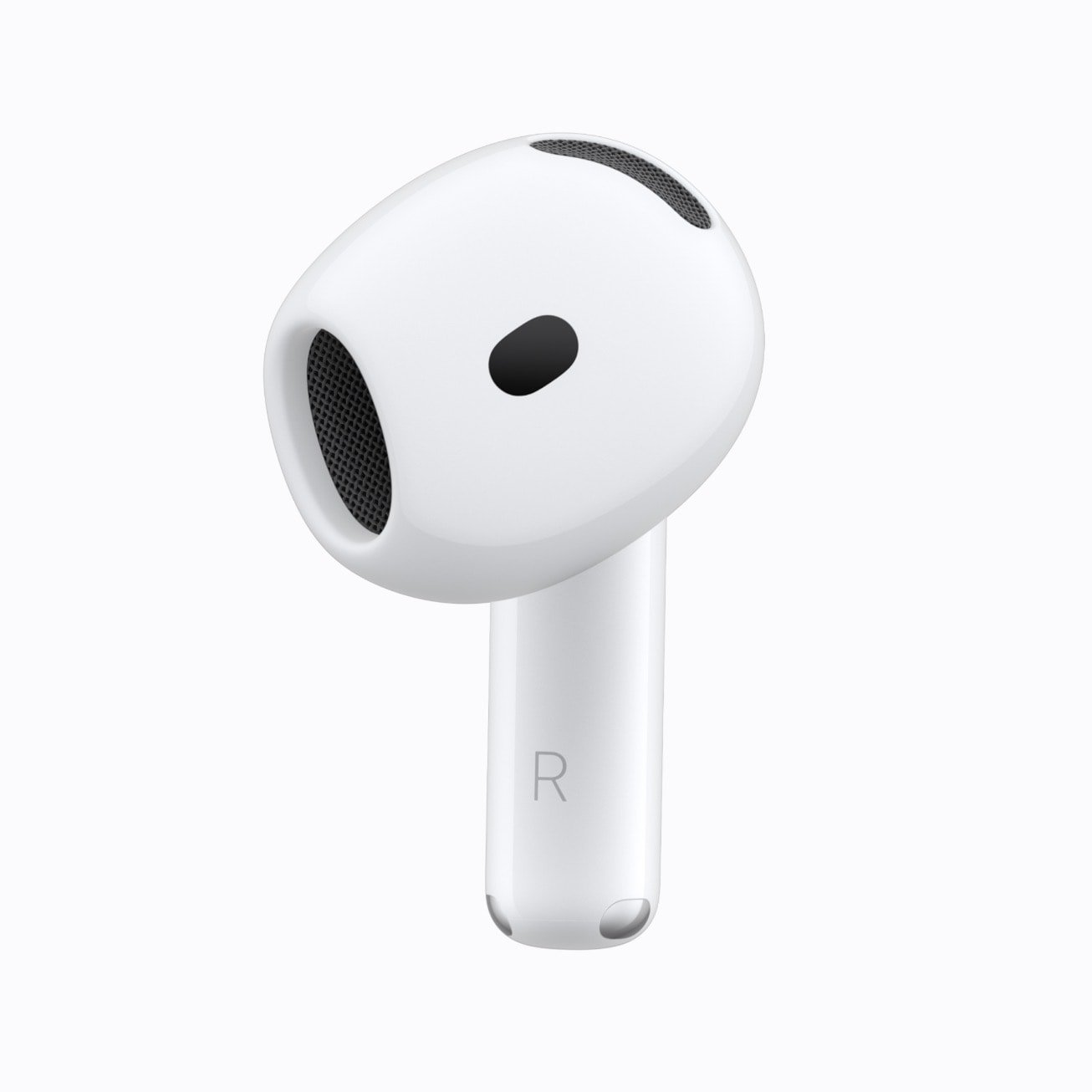
| Design | Open-ear, no silicone ear tips |
| Noise cancellation | Up to 50 percent more noise removed than AirPods 4 with ANC |
| Acoustics | Multiport acoustic architecture, next-generation Adaptive EQ |
| Spatial audio | Personalized Spatial Audio with dynamic head tracking |
| Battery, $129 model | Up to 4 hours with ANC, 20 hours with the case |
| Battery, $149 model | Up to 5 hours with ANC, 22 hours with the case |
| Quick charge | 5 minutes for about 1 hour |
| Charging, $129 model | USB-C |
| Charging, $149 model | USB-C, Apple Watch charger or Qi |
| Durability | IP57 for the buds and the case |
| Weight | 0.15 ounce (4.3 grams) per bud |
| Bluetooth | Bluetooth 5.3 |
| Controls | Force sensor with volume swipe on the stem |
| Pre-order | September 9 |
| On sale | September 18 |
The sensor list is longer than the price suggests: dual beamforming microphones, an inward-facing microphone, an optical in-ear sensor and two accelerometers.
An optical in-ear sensor detects when a bud is in your ear, so playback pauses when you remove one.
A speech-detecting accelerometer handles Conversation Awareness, while a motion-detecting accelerometer drives head gestures and spatial audio tracking.
Open-Ear Noise Cancellation and Why the Shape Matters

The 50 percent claim is real but needs framing. These are open-ear buds with no silicone tips, so they never seal your ear canal.
Sealed earbuds block noise physically before any electronics get involved. Open-ear buds have to cancel everything actively.
That makes this a genuinely hard engineering problem, and it is why Apple describes the result as best-in-class open-ear cancellation rather than best overall.
The comparison Apple draws is against AirPods 4 with ANC, not against the sealed Pro line. Treat it as a generational gain.
In practice this suits commutes, offices and walking, where you want traffic and voices reduced but not removed entirely.
It suits long-haul flights and loud trains far less well. A seal still wins for constant low-frequency drone.
Apple pitches the open-ear shape as the reason some people prefer these over the Pro line, independent of price.
That preference is real. Sealed tips cause discomfort and a plugged-ear sensation for a meaningful share of listeners.
Transparency mode improved alongside it, and Apple says nearby voices and sounds come through more naturally than before.
Adaptive Audio blends cancellation and Transparency automatically based on your surroundings, so you are not switching modes manually.
Conversation Awareness drops media volume the instant you start speaking, then restores it when you stop.
Dave Pakula, Apple vice president of Hardware Engineering, framed the launch as bringing noise cancellation to Apple’s most affordable AirPods.
Sound Quality: Multiport Acoustics and Adaptive EQ
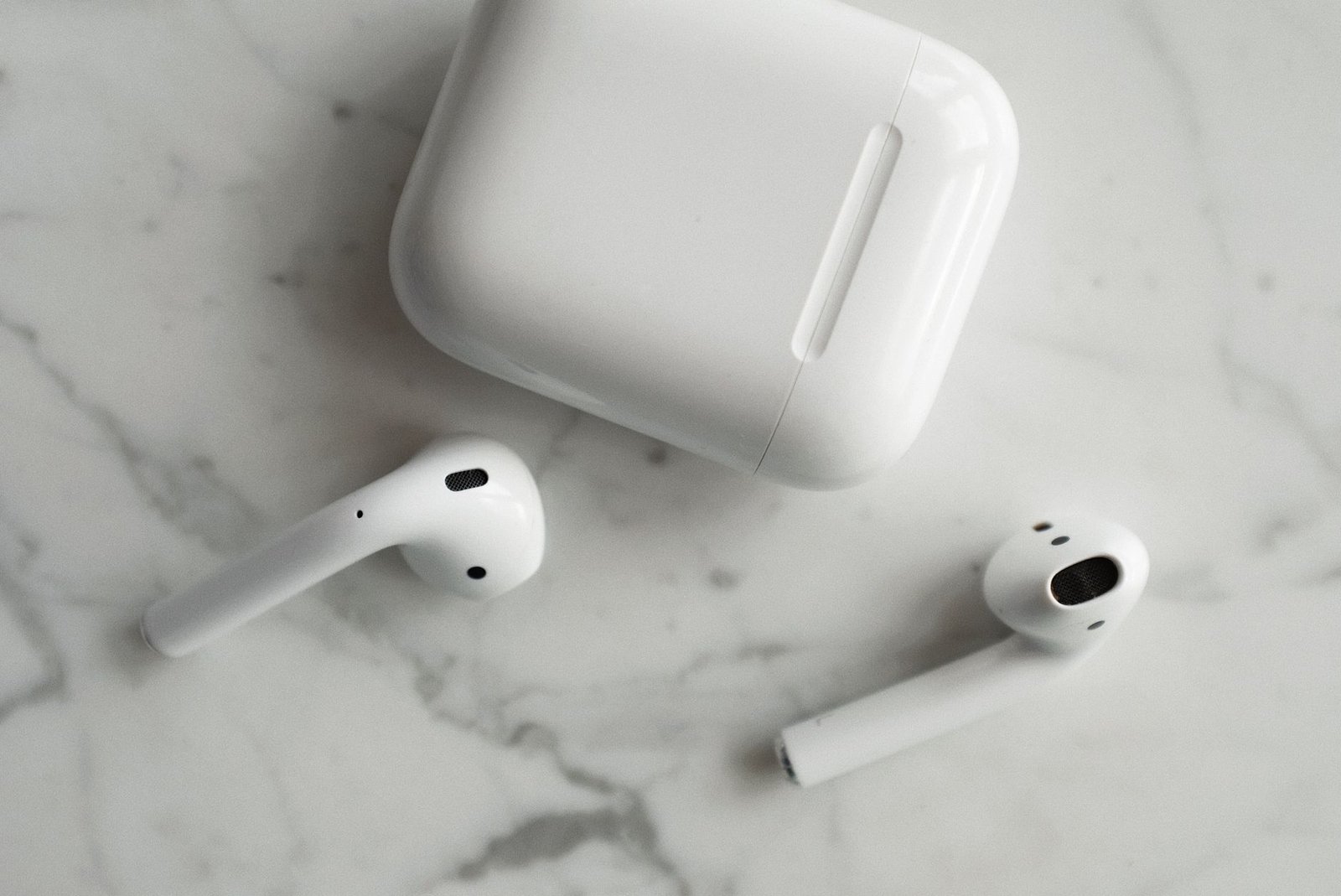
The acoustic architecture is new. Apple calls it a multiport design, and says it takes cues from the AirPods Pro 3.
A next-generation Adaptive EQ sits on top, adjusting the frequency response to the shape of your ear in real time.
Adaptive EQ matters more on open-ear buds than on sealed ones, because fit varies far more between people without a tip to standardize it.
The inward-facing microphone is what lets Adaptive EQ measure what you are actually hearing rather than guessing.
Personalized Spatial Audio with dynamic head tracking is included, so audio stays anchored as you turn your head.
The H2 chip handles all of this. It is the same generation of silicon Apple uses across its higher-end earbuds.
None of this makes them studio monitors. It makes them noticeably better than a $129 earbud has any right to be.
Battery Life Differs Between the Two Models
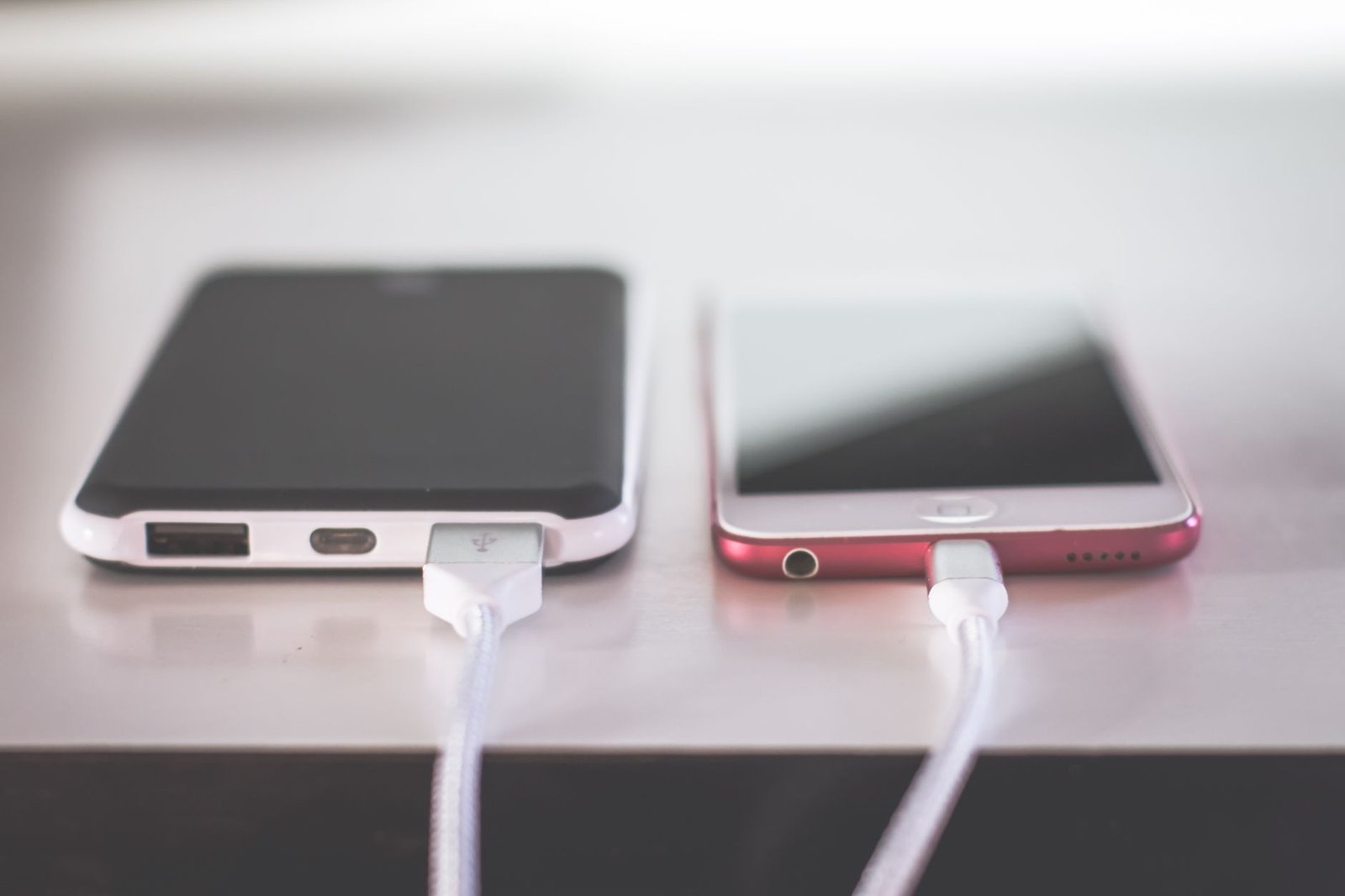
This is the detail most coverage flattens. The $129 and $149 models do not have the same battery rating.
| Figure | $129 model | $149 model |
|---|---|---|
| Listening with ANC | Up to 4 hours | Up to 5 hours |
| Total with the case | Up to 20 hours | Up to 22 hours |
| 5-minute quick charge | About 1 hour | About 1 hour |
| USB-C charging | Yes | Yes |
| Apple Watch charger | No | Yes |
| Qi wireless charging | No | Yes |
| Speaker in case for Find My | No | Yes |
So the extra $20 buys an hour more per charge, two hours more from the case, wireless charging and a locator speaker.
Apple redesigned the battery to get there, and rates the wireless model an hour longer than AirPods 4 with ANC.
For most buyers the $149 model is the better value, particularly if you already own an Apple Watch charging puck.
Both versions carry an IP57 rating for dust, sweat and water, and that rating covers the case as well as the buds.
Controls, Head Gestures and Live Translation
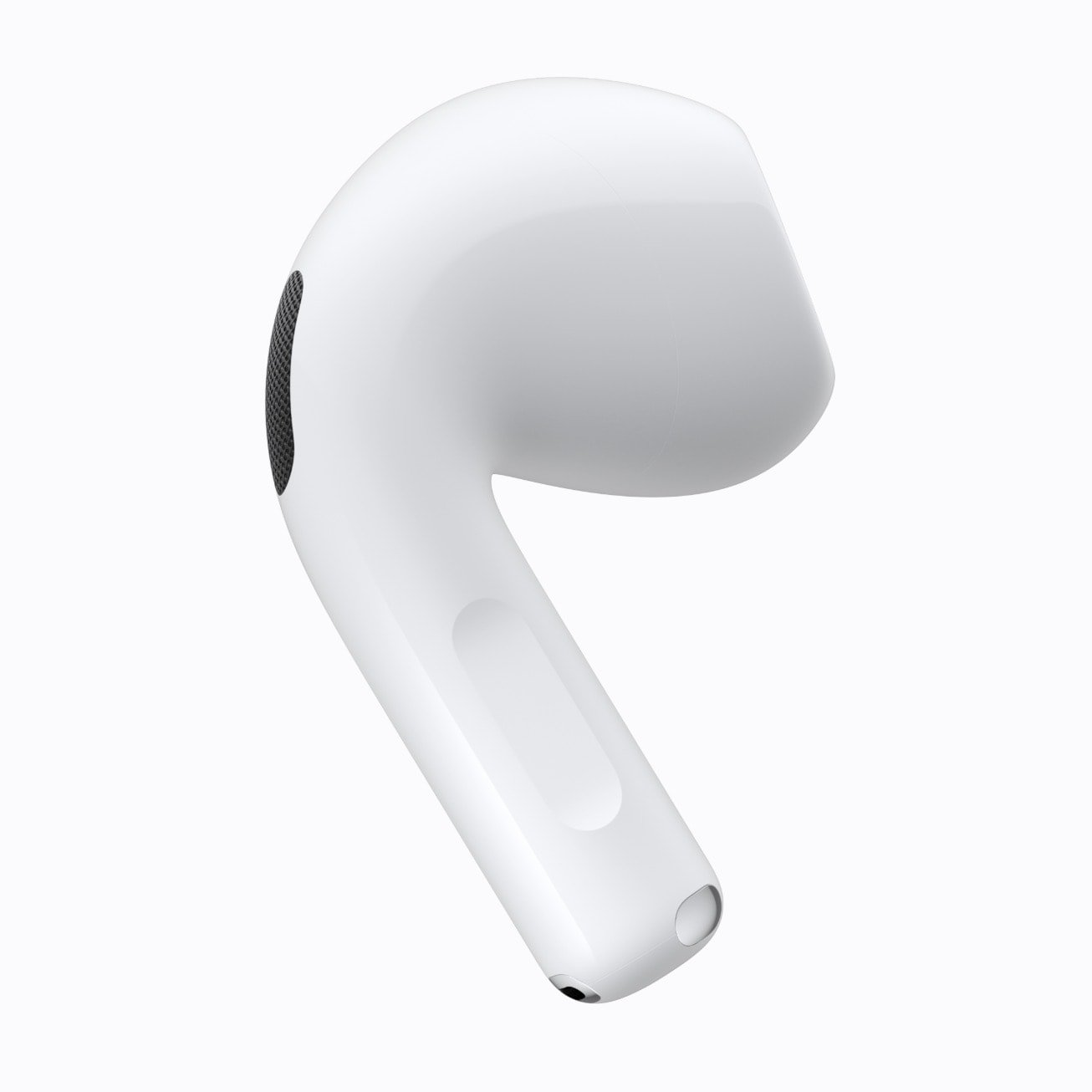
A force sensor on the stem now supports volume swiping. Apple calls it a first for this open-ear form factor.
That removes a real annoyance, since changing volume previously meant reaching for a phone or asking Siri.
Head gestures carry over from the Pro line. A nod accepts an incoming call or Siri prompt, and a shake dismisses it.
Dictation improved as well, and the revamped Siri rolls out in beta with iOS 27 from September 14.

Live Translation is the headline software feature. It requires a compatible iPhone with Apple Intelligence enabled.
The buds handle the listening while the phone handles the translation, so the feature depends on which iPhone you own.
That is worth checking before buying if translation is the reason you are interested in the first place.
In the box you get the buds, a USB-C charging case and documentation. Each bud weighs 0.15 ounce, or 4.3 grams.
AirPods 5 vs AirPods 4: What Changed
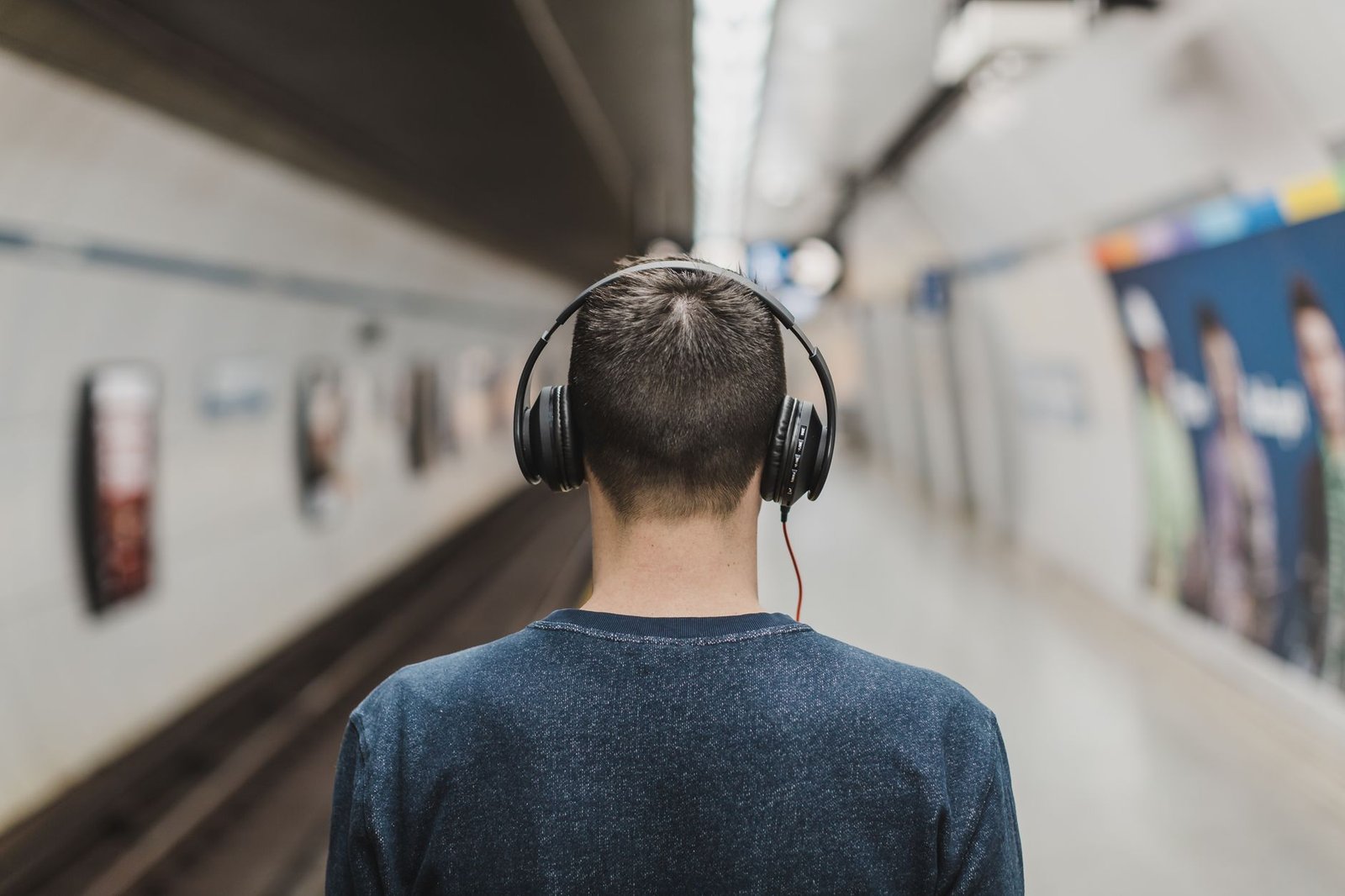
The clearest change is pricing structure. AirPods 4 sold at $129 without noise cancellation and $179 with it.
AirPods 5 include cancellation at $129, so the feature moved down $50 in a single generation.
| Area | AirPods 4 | AirPods 5 |
|---|---|---|
| Entry price with ANC | $179 | $129 |
| Noise cancellation | Yes, on the $179 model | Yes, on both models |
| Relative ANC strength | Baseline | Up to 50 percent more noise removed |
| Durability rating | IP54 | IP57 |
| Volume control on stem | No | Yes, force sensor swipe |
| Battery with ANC | Baseline | One hour longer |
| Acoustic design | Previous generation | Multiport architecture |
The durability jump from IP54 to IP57 is easy to overlook. IP54 covers splashes, while IP57 covers brief immersion.
For anyone who runs outdoors or trains in the rain, that rating change is arguably as useful as the cancellation.
Where AirPods 5 Sit in the Current Lineup
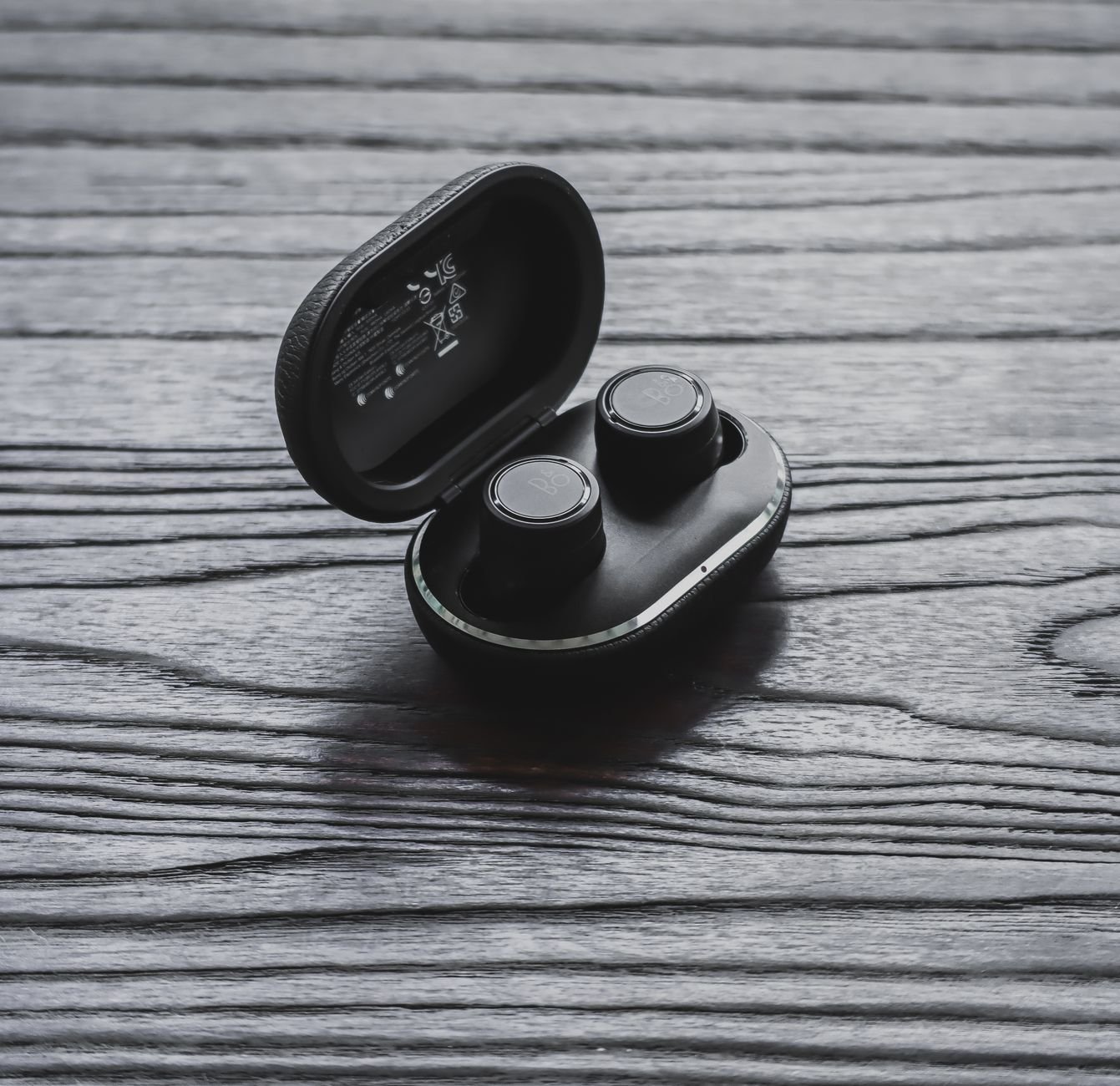
Apple now lists three families on its AirPods page: AirPods 5, AirPods Pro 3 and AirPods Max 2.
AirPods 4 is no longer promoted as a current product there, which makes AirPods 5 the entry point to the range.
The Pro line remains the choice if you want a sealed fit, deeper cancellation and the health sensing Apple added to it.
AirPods Max 2 sits at the top for over-ear listening, a different product category rather than a straight upgrade.
- Choose AirPods 5 if: you dislike silicone tips and want cancellation anyway
- Choose AirPods 5 if: you want awareness of traffic and voices while listening
- Choose the Pro line if: you fly often or commute on loud transit
- Choose the Pro line if: you want the strongest cancellation Apple sells in-ear
Recycled content reaches 40 percent overall, with 70 percent recycled plastic in the case and fully recycled cobalt in the battery.
AirPods 5 go on sale in the US and more than 65 countries and regions, per Apple’s announcement.
The full spec sheet sits on Apple’s AirPods 5 page, and the wider range is listed on the AirPods lineup page.
They launched alongside two new watches, both covered in our Apple lineup comparison.
If you are pairing them with a new watch, see our Apple Watch Series 12 guide for the other half of that decision.
Frequently Asked Questions
How much do AirPods 5 cost?
They cost $129, or $149 for the version with the Wireless Charging Case. Both models include Active Noise Cancellation.
Do AirPods 5 cancel noise as well as AirPods Pro?
No. AirPods 5 are open-ear with no silicone tips, so they cannot seal the ear canal. Apple compares them to AirPods 4.
How long does the AirPods 5 battery last?
Up to 4 hours with ANC on the $129 model and 5 hours on the $149 model, or 20 and 22 hours with the case.
Are AirPods 5 waterproof?
They carry an IP57 rating for dust, sweat and water, covering brief immersion. That rating applies to the case as well.
Do AirPods 5 work with Android phones?
They pair over Bluetooth 5.3, but Live Translation and Siri features require a compatible iPhone with Apple Intelligence enabled.