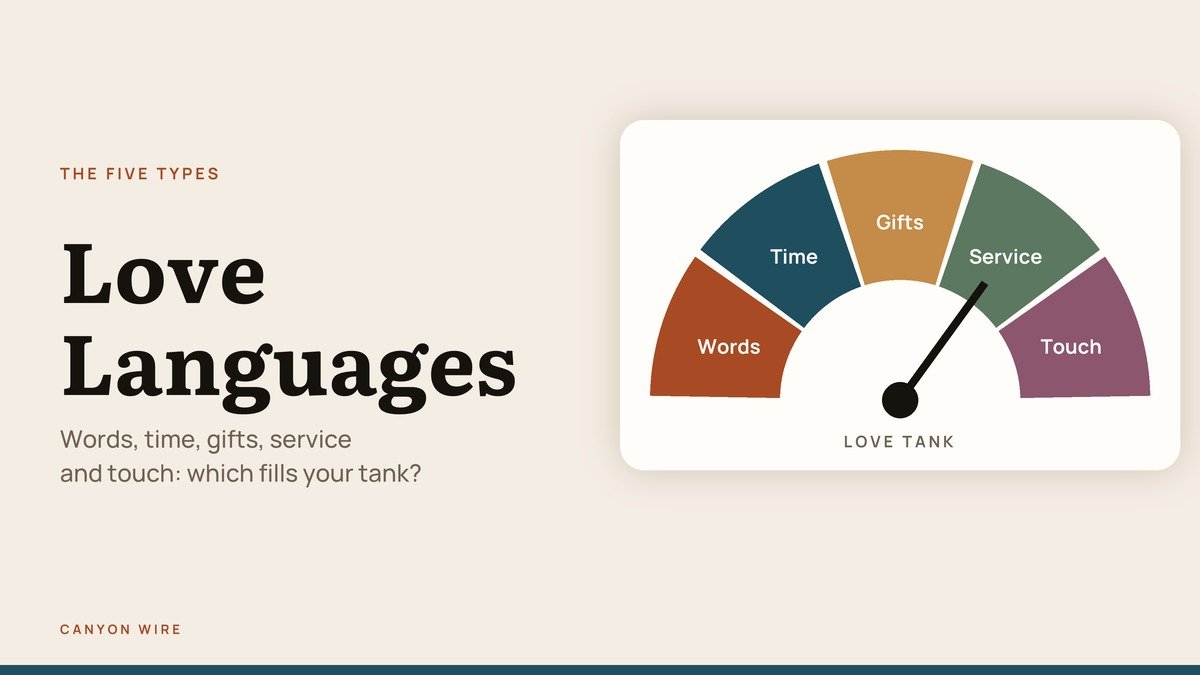
Love languages are a simple framework for a common problem: two people who love each other but do not feel loved. Counselor Gary Chapman proposed in 1992 that people give and receive love in five main ways, and that couples drift apart when each speaks a language the other does not register.
The idea has outlasted most self-help trends. In 2026 the book still sells, the quiz has been taken more than 30 million times, and researchers now have enough data to say which parts hold up. Here are the five languages with Chapman’s examples, a practical way to find yours, and an honest read of the evidence.
The 5 Love Languages in One List
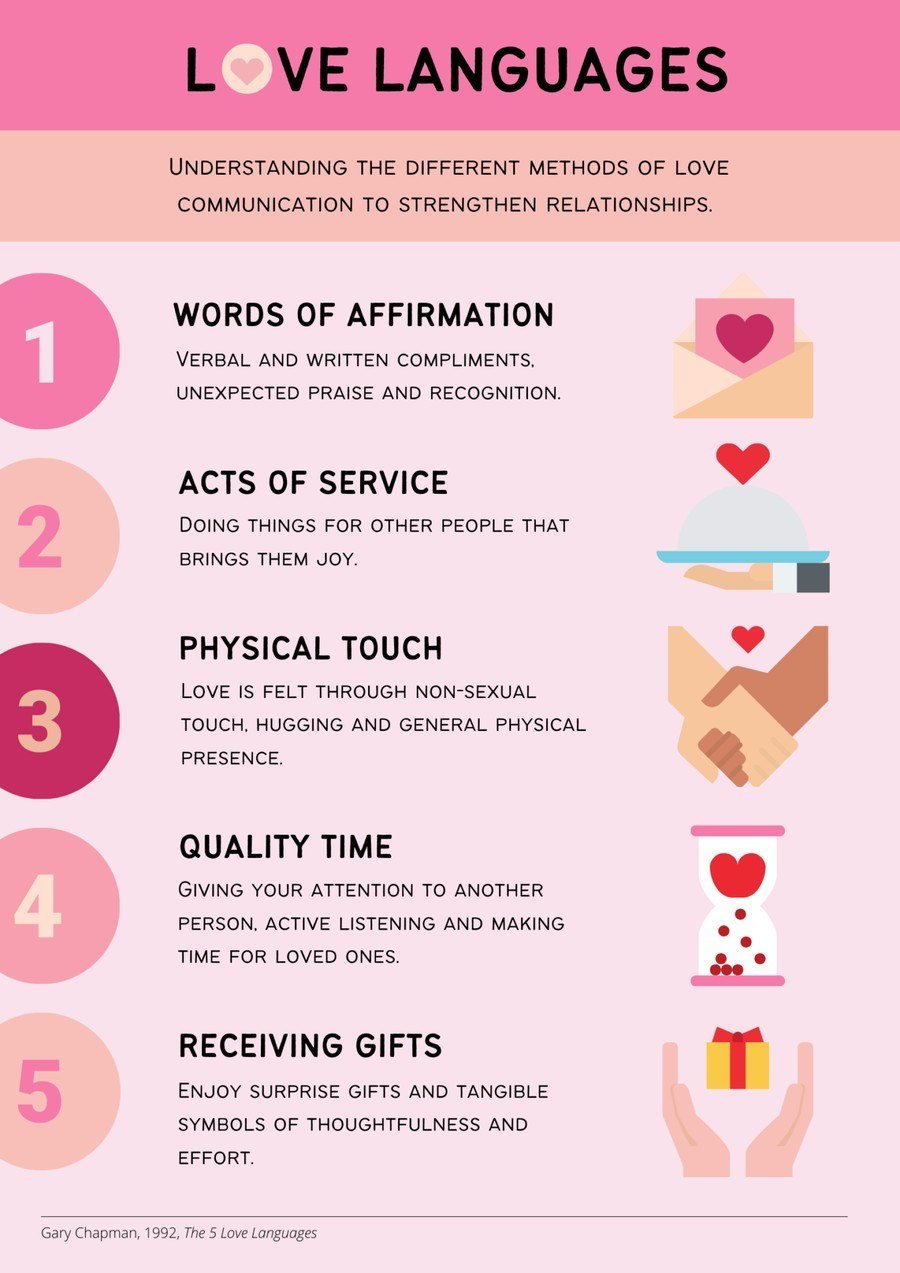
- Words of affirmation: compliments, appreciation and encouragement, said or written.
- Quality time: undivided attention, with distractions put away.
- Receiving gifts: thoughtful tokens that show you were on someone’s mind.
- Acts of service: practical help, such as chores and errands, done to ease their load.
- Physical touch: affectionate contact, from holding hands to sexual intimacy.
Chapman’s rule of thumb is that we speak our own language by default: “whatever makes me feel loved is what I tend to do for my spouse.” He also says that in marriage, husband and wife almost never share the same one.
How Gary Chapman Found the Five Love Languages
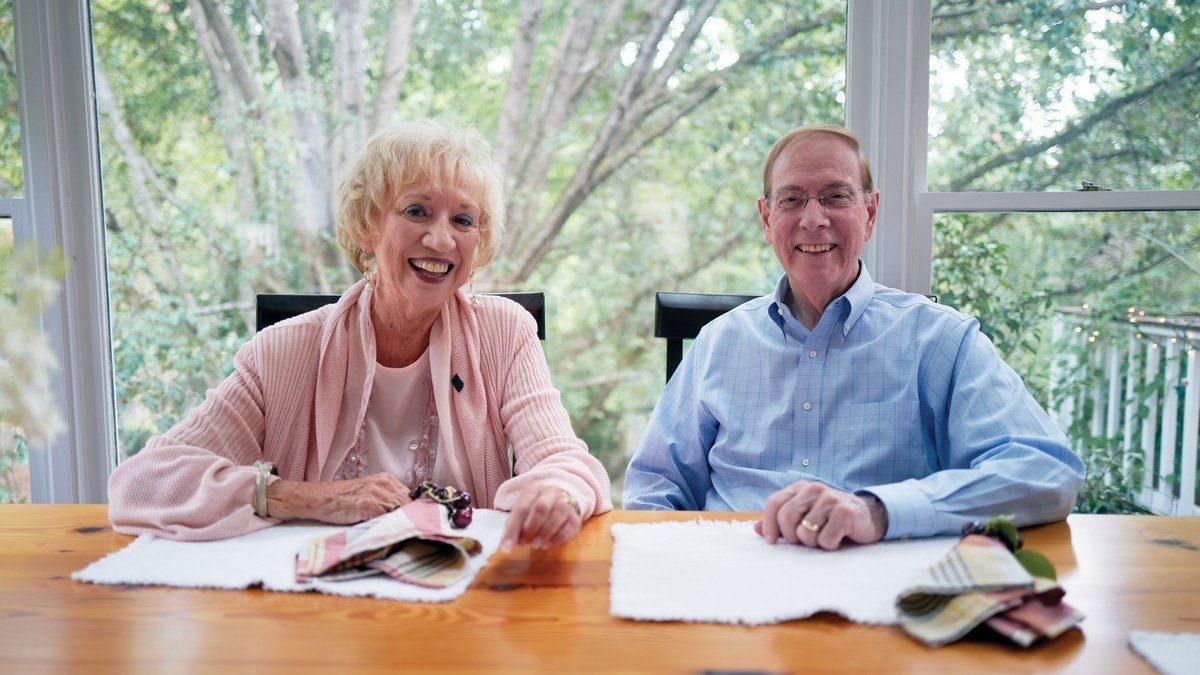
Chapman, shown above with his wife Karolyn, was an associate pastor at Calvary Baptist Church in Winston-Salem, North Carolina, for 50 years and counseled couples there throughout. He still hosts the weekly Building Relationships program on Moody Radio, which describes his counseling work going back to the 1970s.
The framework grew from a couple married 30 years who felt like “two roommates.” The husband did chores every week, but the wife said they had not really talked in 20 years. Chapman read back through 12 years of counseling notes, asking what people who felt unloved said they wanted. The answers, he says, fell into five categories.
His own marriage supplied a test case. Early on, while in seminary, he began asking Karolyn how he could help her. She named chores, and he later realized “she was really telling me her love language”: acts of service. His own is words of affirmation. The couple marked 60 years of marriage in August 2021.
Each Love Language: What Fills the Tank and What Drains It
Chapman calls the need to feel loved a “love tank,” and says much adult misbehavior grows out of an empty one. For each language below, the drains come from the Singapore Ministry of Social and Family Development’s summary of Chapman’s 2015 edition.
1. Words of Affirmation
Fills it: “Really appreciate what you did,” praise for character, a kind text mid-day. Drains it: insults, which are not easily forgotten.
Chapman defines it as “using words to affirm the other person” and says a positive word makes people want to be better. Writing it down counts too: a card with a specific message, like the ideas in our collection of birthday wishes and messages, lands harder with this person than any present.
2. Quality Time
Fills it: 20 minutes of “looking, listening, interacting,” a walk after dinner, a weekend away. Drains it: a distracted partner, or plans that keep getting postponed.
Chapman draws a hard line between being together and being attentive. Watching television side by side does not count, he says, because someone else has your attention. The Singapore ministry adds a modern version: not checking your phone.
3. Receiving Gifts
Fills it: a small, well-chosen object, remembered dates. Drains it: a missed birthday or anniversary, or a gift that shows no thought.
Chapman, who studied anthropology, says no culture has been found where gift-giving is not an expression of love. Cost is not the point; he once brought home roses he had been given after a funeral luncheon. A signature scent, such as one from our list of the best everyday perfumes, works when it shows you know their taste.
4. Acts of Service
Fills it: cooking a meal, doing the dishes, running an errand so they can rest. Drains it: being uninvolved at home, or adding to their workload.
“Actions will speak louder than words,” Chapman says of this group. The Singapore ministry’s best tip is to help without being asked. Chapman, who disliked vacuuming as a teenager, says doing it for his wife is the point: love that does not come naturally means more.
5. Physical Touch
Fills it: holding hands, hugs, a hand on the shoulder, sexual intimacy. Drains it: coldness, and above all inappropriate touch or abuse.
Chapman includes “the whole sexual part of marriage” in this language, alongside everyday gestures like a hand on the leg while driving. Within it, preferences vary: he calls these “dialects,” noting that a back rub one partner loves can leave another cold.
Love Languages Test: How to Find Your Primary Language
The free official quiz has 30 forced-choice questions. Each asks which of two statements means more to you, and the language you pick most often is your primary one. Chapman also offers a no-quiz method based on three clues:
- Watch behavior. People often give what they want to receive, so how someone treats friends is a strong hint.
- Listen to complaints. “We never spend time together” signals quality time; “You never touch me unless I start it” signals physical touch.
- Notice requests. A walk, a surprise, a back rub: what people ask for most is usually what fills their tank.
If two languages tie, Chapman says you are “bilingual.” For children too young to say, he suggests speaking all five for a year and watching which one they respond to most.
What the Research Says About Love Languages
Love languages were not built from controlled studies, and researchers have spent two decades checking them. The results are mixed:
| Study | Sample | Main finding |
|---|---|---|
| Mostova, Stolarski and Matthews (PLOS ONE, 2022) | 100 couples, University of Warsaw | Receiving love in your preferred way was linked to higher relationship and sexual satisfaction |
| Bunt and Hazelwood (Personal Relationships, 2017) | 67 couples | “Limited evidence” that matching languages helps; self-regulation explained more |
| Egbert and Polk (2006) | 84 university student couples | No effect of matching on relationship quality |
| Impett, Park and Muise (Current Directions in Psychological Science, 2024) | Review of the research | No strong support for one primary language, exactly five types, or the matching effect |
The 2022 Warsaw study is the strongest evidence in Chapman’s favor, and it also found that quality time was the most common primary language, chosen by 42 percent of men and 41 percent of women. The 2024 review, summarized in a University of Toronto news release, was blunt: none of the 10 studies it examined supported Chapman’s claims. Lead author Emily Impett said people are basically happier when they receive any of these expressions of love.
Measurement is part of the problem. When people rate each language on a five-point scale instead of choosing between pairs, all five average around 4, and the ratings correlate strongly with each other. In other words, most people value most of them.
A Better Way to Use the Five Love Languages
Impett’s team proposes a different metaphor: love as a balanced diet, where everyone needs a full range of nutrients. That lines up with what psychologists call relationship maintenance, the everyday behaviors that keep a relationship healthy. Used that way, the five languages become a checklist rather than a label:
- Do something from all five each week, not only your partner’s top result.
- Use the quiz as a conversation starter, then ask what specific gestures matter most.
- Treat repeated complaints as requests in disguise, as Chapman suggests.
- Add what the five leave out, such as backing your partner’s personal goals.
Chapman has said much the same. In 2024 he said he never wanted to suggest that people speak only a partner’s primary language.
Love Languages for Children and Teens
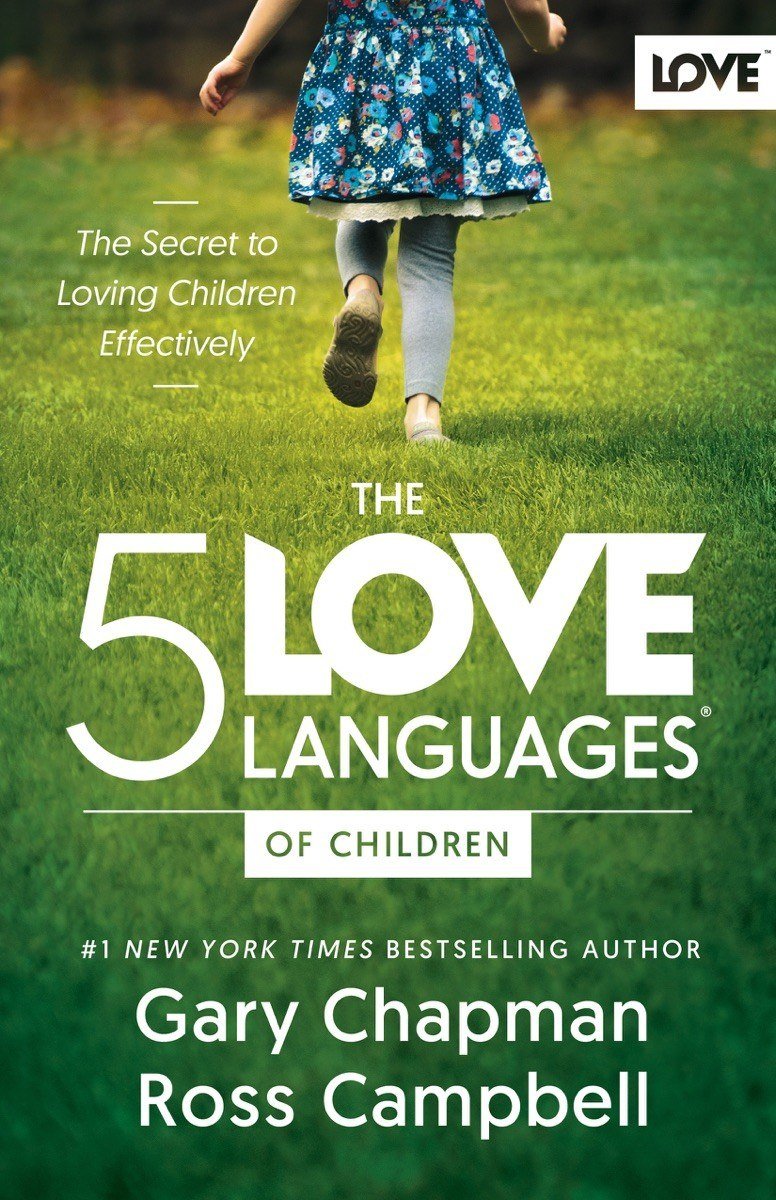
Chapman and Ross Campbell published The Five Love Languages of Children in 1997, and the publisher says it has sold more than a million copies. A teenagers edition followed in 2000. Chapman’s framing for parents is to ask not whether they love their child, but whether the child feels loved.
His clues work for kids too: a child who climbs onto grandparents’ laps is probably wired for touch. In stepfamilies, counselor Ron Deal, Chapman’s co-author on a blended-family book, suggests going slowly; a stepchild whose language is touch may accept only a fist bump at first, then side hugs over time.
Frequently Asked Questions
What are the 5 love languages?
Words of affirmation, quality time, receiving gifts, acts of service and physical touch. Gary Chapman described them in his 1992 book, now sold more than 20 million times.
How long is the love language test?
The official Love Language Personal Profile has 30 questions, each asking you to pick the more meaningful of two statements. It is free and ranks all five languages.
Do couples need the same love language?
No. Chapman says spouses almost never share one, and the goal is to learn your partner’s. Research suggests receiving love in any of the five raises satisfaction.
Is receiving gifts a materialistic love language?
Chapman says it is about thought, not price: “It’s the gift that came out of the thought in your head.” A flower from the yard qualifies.