The richest person in history is a claim that only some fortunes can support. John D. Rockefeller’s $900 million in 1913 is the strongest documented case, at 2.28 percent of US GDP, and in October 2026 only Elon Musk holds a larger share of the economy.
Mansa Musa, the usual answer, cannot be ranked on facts. Historians who have worked on the 1324 pilgrimage, among them Hadrien Collet and Rudolph Butch Ware, say the accounts describe gold on a scale that resists numbers, and the $400 billion figure attached to him traces to one 2012 estimate, not a historical record.
Who Qualifies as the Richest Person in History and Who Cannot Be Ranked
The richest person in history is Rockefeller on the measurable evidence, because his holdings were laid out in a federal antitrust case and his fortune can be set against a GDP series. Rulers such as Akbar commanded far more resources but left no private accounts.
Ten fortunes follow, ordered by how well the wealth is documented. This is general information, not financial advice.
Era, Raw Material and Evidence for All Ten Fortunes
| # | Person | Period | Raw material | What the evidence supports |
|---|---|---|---|---|
| 1 | John D. Rockefeller | 1839 to 1937 | Refined oil | Court record and GDP series: 2.28% of US GDP in 1913 |
| 2 | Mir Osman Ali Khan | 1886 to 1967 | Diamonds, bullion, a mint | Estimates near 2% of US GDP; no audit |
| 3 | Cornelius Vanderbilt | 1794 to 1877 | Shipping and rail | Estate of about $105 million: 1.21% of US GDP |
| 4 | Andrew Carnegie | 1835 to 1919 | Steel | Share of 1901 sale, $225.64 million: 0.98% of US GDP |
| 5 | Jakob Fugger | 1459 to 1525 | Metals and credit | Firm inventory of 1527; no GDP share |
| 6 | Augustus | 63 BCE to 14 CE | War spoils and legacies | His own sesterce accounts; no modern figure |
| 7 | Akbar | 1542 to 1605 | Farm tax, silver coinage | State revenue about 99 million rupees; no personal figure |
| 8 | Emperor Shenzong | 1048 to 1085 | Tax, monopolies, cash | No personal figure exists |
| 9 | William the Conqueror | c. 1028 to 1087 | Land | Domesday values by manor; no modern figure |
| 10 | Mansa Musa | c. 1280 to 1337 | Gold and trade | No credible figure |
Dollar figures are nominal, in the money of the year given.
Land, Gold, Industry and Jewels: The Raw Materials Behind the Fortunes
- Land and tax: Augustus, Akbar, Shenzong and William, whose wealth is state revenue and survey data
- Gold, metals and credit: Mansa Musa and Jakob Fugger, known from travel accounts and a merchant’s ledger
- Industry and transport: Rockefeller, Carnegie and Vanderbilt, known from courts, sales and probate
- Jewels and bullion: the Nizam of Hyderabad, known from reputation and one government purchase of 218 crore rupees in 1995
Fortunes that courts, probate offices and sale contracts counted rank highest, and the Nizam sits second on a 1937 estimate near 2 percent of US GDP. Treasuries rank lower because nobody separated the ruler’s purse from the state’s.
Ten Fortunes Ranked by How Well the Wealth Is Documented
1. John D. Rockefeller: Oil Refined and Then Split Up
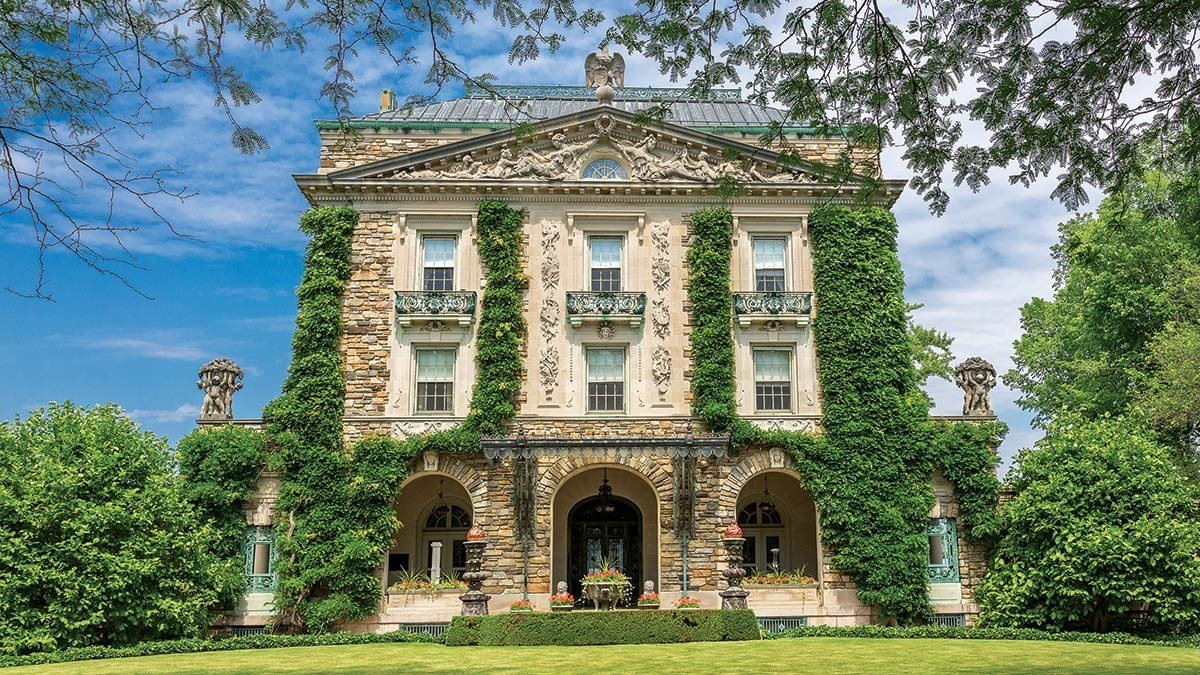
Raw material: refined oil | 1913 fortune: $900 million | 1911 trust share: 70 percent of refined oil, 14 percent of crude
When the Supreme Court found Standard Oil in violation of the Sherman Antitrust Act in 1911, the trust held about 70 percent of refined oil but only 14 percent of crude supply. The ruling produced 34 entities, including the forerunners of ExxonMobil and Chevron.
Rockefeller retired to Kykuit, his estate in Westchester County, and is recorded as the first American billionaire on 28 September 1916.
2. Mir Osman Ali Khan: Diamonds, Bullion and a Mint

Raw material: diamonds and bullion | Ruled 1911 to 1948 | Treasury reported: 100 million pounds of bullion, 400 million of jewels (2008 terms)
Golconda was the world’s only diamond source in the Nizam’s time, and Hyderabad ran its own mint and printed its own rupee. That explains the reputation, not a balance sheet.
After the 1948 annexation he kept his personal wealth and title, and he later gave 5,000 kilos of gold to the National Defence Fund. A 660 crore rupee figure for the early 1940s covers conceivable assets, not an audit.
3. Cornelius Vanderbilt: Steamships, Rails and a University
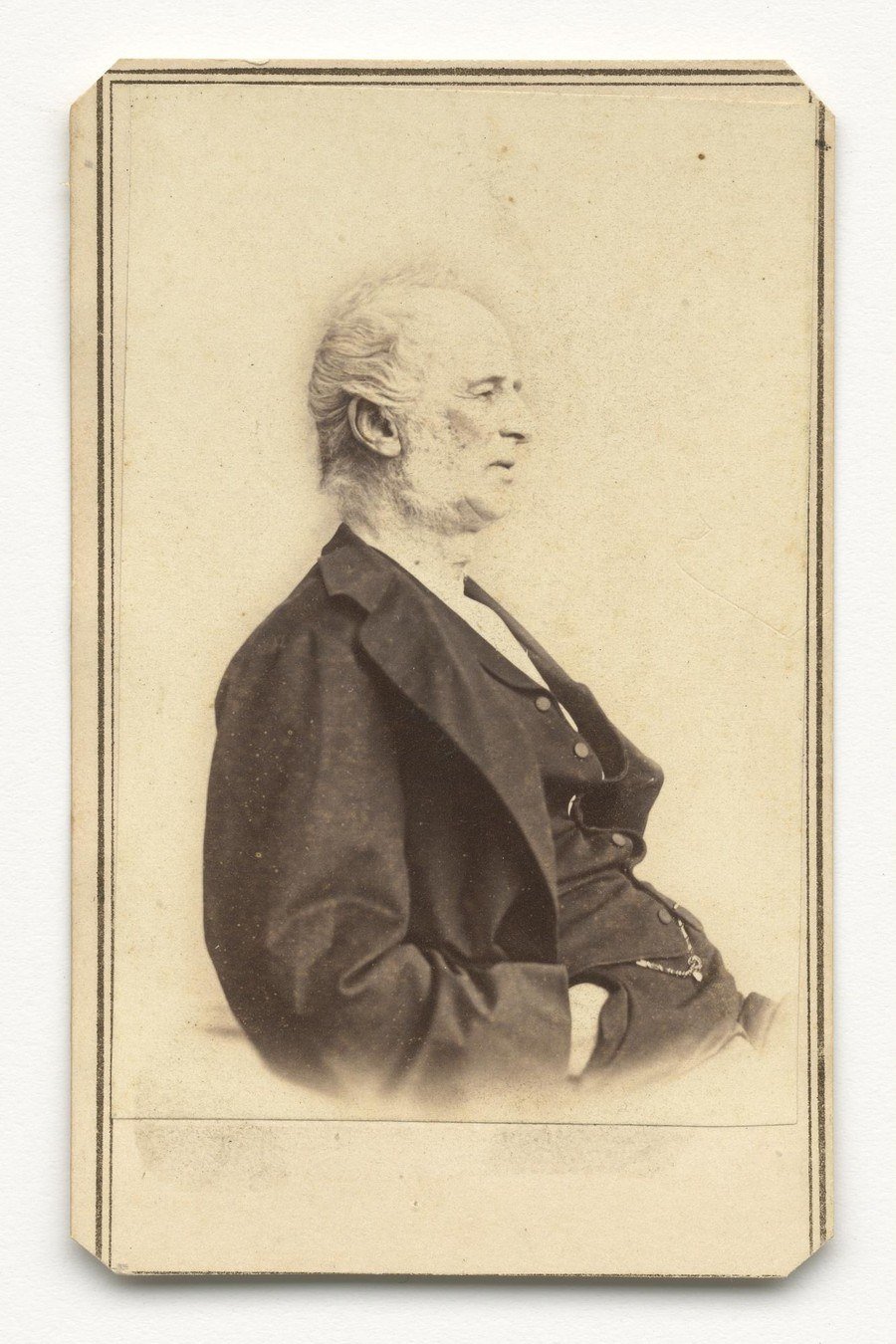
Raw material: shipping and railroads | Died 4 January 1877 | Founding gift: $1 million in 1873
His second wife, Frank Armstrong Crawford, whom he married in 1869, backed the $1 million gift that founded Vanderbilt University. The university says it was his only major philanthropy.
The $105 million estate went mostly to one son, and Corneel, Ethelinda and Mary took the will to court, claiming he was not of sound mind.
4. Andrew Carnegie: Steel Sold, Then Given Away
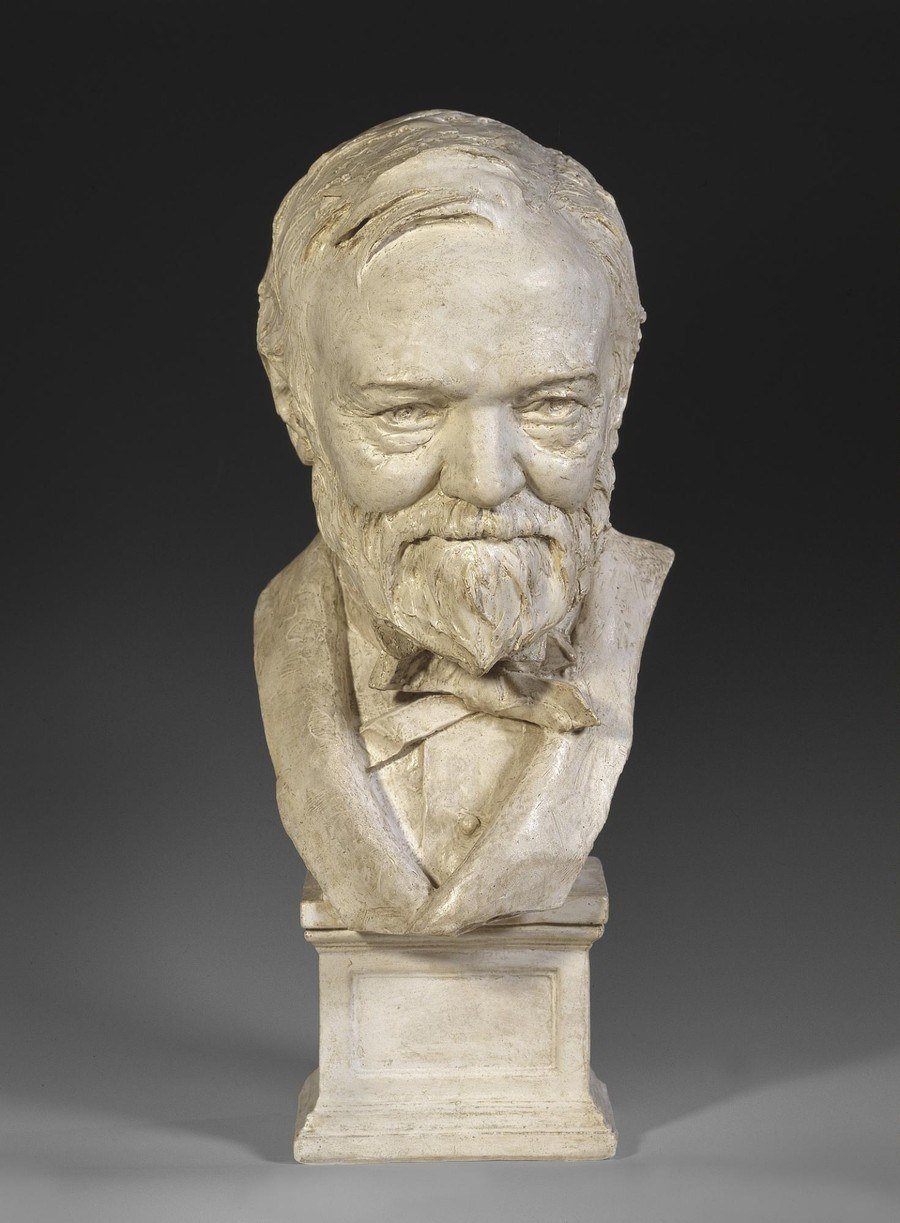
Raw material: steel and iron ore | 1901 payout: $225.64 million in bonds | Given away: about $350 million
Carnegie bought Lake Superior iron ore fields cheaply while owning steelworks, then sold to J. P. Morgan in 1901, forming United States Steel. He then passed Rockefeller as the richest American of his time.
He gave away $350,695,653 in his last 18 years, almost 90 percent of his fortune, and the last $30 million went to causes after he died on 11 August 1919.
5. Jakob Fugger: Metals and Credit from Augsburg

Raw material: copper, silver and loans | Firm founded in Augsburg 1367 | Fuggerei rent: 88 cents a year
Hans Fugger moved to Augsburg in 1367, and the family says its wealth doubled between 1472 and 1486. From 1525 the firm leased Spanish estates including the Almaden quicksilver mines.
Jakob’s 1521 foundation deed created the Fuggerei, whose 67 houses and 142 residences still rent to low-income residents at 88 cents a year.
6. Augustus: War Spoils and Cash at Hand

Raw material: war spoils, patrimony, legacies | Doles: HS 400 a head to 250,000 or more | Will: HS 1,000 per praetorian
In the Res Gestae Augustus says his public gifts of HS 400 per man reached no fewer than 250,000 men, at least HS 100 million a round.
Suetonius records that his will left 1,000 sesterces to each praetorian, 500 to each city-cohort soldier and 300 to each legionary, payable at once because he kept the cash ready.
7. Akbar: Taxes Paid in Silver
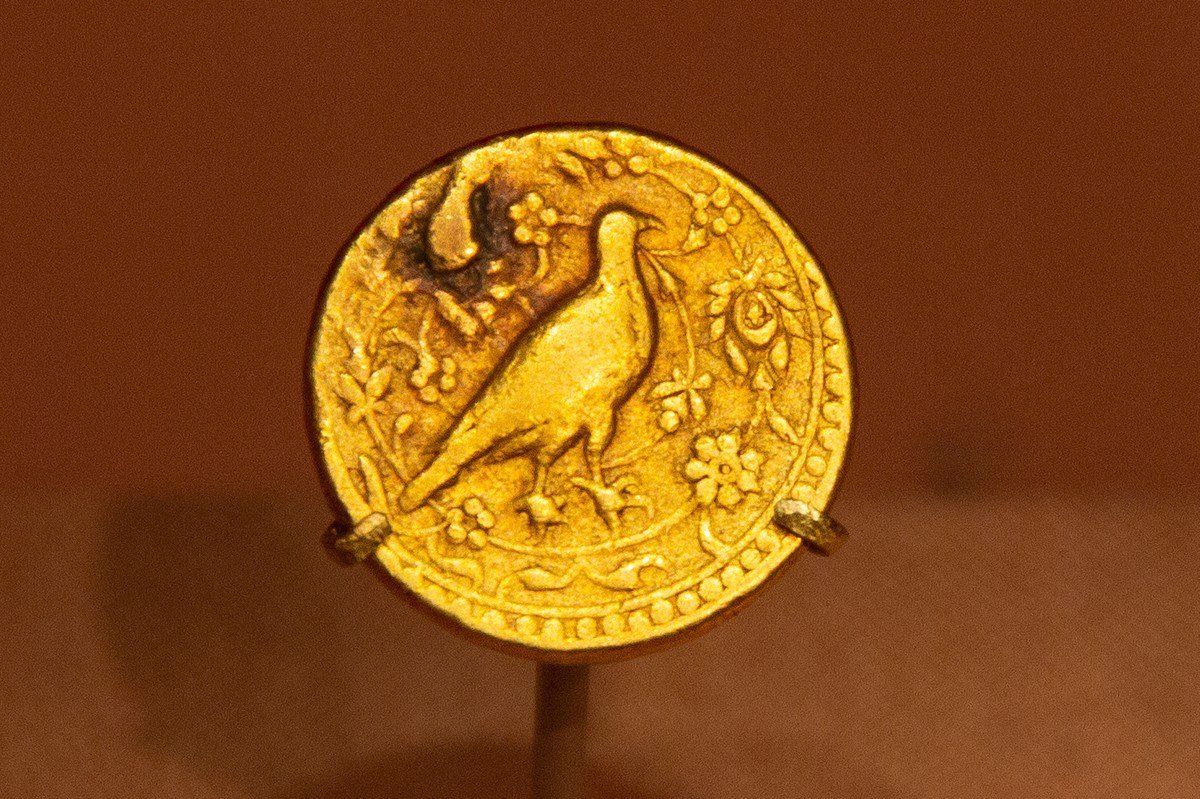
Raw material: farm tax and silver | State revenue c. 1595: about 99 million rupees | Gold hawk coin dated 1556
Mughal land taxes took well over half a cultivator’s output and were paid in silver. Historians put annual revenue around 1595 at about 99,000,000 rupees.
The Met holds a gold hawk coin of Akbar dated 963 AH, or 1556 CE. India made 24.5 percent of world manufacturing output until 1750, the economy beneath the throne.
8. Emperor Shenzong: Monopolies and Irrigation

Raw material: tax, monopolies, cash | Irrigation by 1076: about 10,800 projects | Monopolies: tea, salt, wine
Shenzong appointed Wang Anshi chancellor, and Wang nationalized tea, salt and wine, which set off heated debate. The Sichuan tea monopoly paid for the Song cavalry’s horses.
By 1076 about 10,800 irrigation projects watered more than 36 million mu of land. All of it was state revenue and works, with no personal account to total.
9. William the Conqueror: A Kingdom Counted Manor by Manor

Raw material: land | Crowned: Christmas Day 1066 | Survey of land held on 5 January 1066 and in 1086
Domesday asked who held each manor on Edward the Confessor’s last day, who held it when William granted it and who held it in 1086, says the National Archives research guide.
Entries give value in 1066 and 1086 and name almost only landholders, such as the “Land of Count Alan”. It is a land register with no total in money.
10. Mansa Musa: Gold, Trade and One Cairo Record

Raw material: gold and trade | Pilgrimage 1324 to 1325 | Mali’s share of the Old World’s gold: almost half
The British Museum says Mali held almost half the Old World’s gold in his reign, the BBC reported in 2019, and Northwestern’s Kathleen Bickford Berzock notes he had almost unlimited access to it.
The Met dates the pilgrimage to 1324 and 1325, and al-Umari’s account, reproduced by the University of Houston, is the main record of its effect on Cairo. Historian Hadrien Collet notes much of the journey remains unknown.
How Much of the Economy Did One Person Hold? The Arithmetic
Dividing a fortune by that year’s GDP gives a share that crosses centuries. The series is by Johnston and Williamson:
- Rockefeller, 1913: $900 million over $39,517 million, 2.28 percent
- Vanderbilt, 1877: $105 million over $8,700 million, 1.21 percent
- Carnegie, 1901: $225.64 million over $22,931 million, 0.98 percent
For today the IMF’s October 2026 outlook gives 2025 US GDP of $30,861 billion. Forbes’s real-time ranking on 24 October 2026 put Elon Musk at $923 billion, or 2.99 percent, Jeff Bezos at $368 billion, or 1.19 percent, and Larry Page at $264 billion, or 0.85 percent.
Musk’s total is mostly stock: about $703 billion of SpaceX shares, $147 billion of Tesla shares, $49 billion of option value and $24 billion of private assets, so 2.99 percent is a snapshot. Our ranking of the richest country in the world applies the same lens to nations.
Prices, Currencies and Purchasing Power: Why Old Fortunes Resist Conversion
Rockefeller’s $900 million becomes about $30 billion if raised by consumer prices, which rose from 9.60 in 1913 to 321.94 in 2025 on the MeasuringWorth index, a factor of 33.5. Applying his 2.28 percent share to 2025 GDP gives $703 billion instead.
The answers differ because US GDP grew 781-fold while prices grew 33.5-fold. One asks what the cash could buy, the other what share of output one person controlled. Sesterces, Mali gold and Hyderabad rupees meet no shared index at all.
What money could buy also changed. Cairo’s gold price fell from 25 dirhams or more to 22 after one visit, so a gold fortune could dilute itself by being spent. A diamond fortune such as the Nizam’s depends on a valuer’s opinion, and for more on gemstones see our guide to birthstones by month.
Rulers Spend Taxes, Owners Keep Profits
Could the holder sell it, spend it on himself and leave it by will? Vanderbilt could, and 95 percent of his $105 million passed to his son and four grandsons. Akbar’s 99 million rupees and Shenzong’s 10,800 irrigation projects were paid for by taxes.
Augustus sits between the two. The Res Gestae counts payments from his own patrimony, including HS 170 million to the military treasury in 6 CE, so part of his wealth is private on the record.
Which Fortune Wins Under Each Yardstick
- Share of GDP, documented, past: Rockefeller at 2.28 percent
- Share of GDP, October 2026: Musk at 2.99 percent of 2025 output
- Dollars at the time: Rockefeller, then Carnegie’s $225.64 million, then Vanderbilt’s $105 million
- Reputation among contemporaries: the Nizam of Hyderabad, Time cover of 22 February 1937
- Documented personal spending: Augustus, HS 860 million on land for veterans
- No yardstick available: Mansa Musa
Frequently Asked Questions
Who is the richest man in history?
On the measurable record it is John D. Rockefeller, with $900 million in 1913, 2.28 percent of US GDP. Elon Musk’s $923 billion in October 2026 equals about 3 percent of 2025 US GDP, which is larger by that measure.
How much was Mansa Musa worth?
No credible figure exists. The surviving record is al-Umari’s account that the price of gold in Cairo fell from 25 dirhams or more to 22 after the 1324 pilgrimage and stayed low for about twelve years.
Was Augustus Caesar richer than Rockefeller?
They cannot be compared on one scale. Augustus recorded HS 860 million spent on land for veterans, about 4.3 percent of a year of second-century Roman output, but no wealth total or GDP exists for his reign.
How much was the Nizam of Hyderabad worth?
Estimates run near 2 percent of US GDP, based on reputation and jewels. The one documented transaction is India’s 1995 purchase of the Nizams’ jewels for 218 crore rupees, about $70 million.