A benchmark score is the least useful number for choosing a gaming phone. Flagships and gaming phones run the same silicon and score within a few per cent of each other over ninety seconds. The gap only opens in the second hour, and even then it only matters if the second hour is something you actually have.
So this list is cut by what you play rather than by what scores highest. A competitive shooter, a city builder, a gacha RPG and a sorting puzzle want genuinely different phones, and for most of those the right answer is not the most expensive one. Ten handsets below, each checked for stock and for a customer rating of at least four stars.
Gaming Phones by Who Each One Suits
| Phone | Best for | Screen | Battery |
|---|---|---|---|
| RedMagic 11 Pro | Competitive players | 6.85in, 144Hz | 7,500mAh |
| OnePlus 15 | One phone for everything | 6.78in LTPO | Large, fast charging |
| Samsung Galaxy Z Fold8 | Strategy and tablet-style games | Folding, tablet-sized | Flagship class |
| Samsung Galaxy S26 Ultra | Buyers who want a US warranty | 6.9in QHD+, 120Hz | Super Fast Charging 3.0 |
| POCO F8 Pro | Flagship silicon on a budget | 6.59in 2K, 120Hz | 6,210mAh, 100W |
| OnePlus 15R | Shooters on a budget | 165Hz | 7,400mAh, 80W |
| Google Pixel 11 Pro | Casual play and everything else | Super Actua | 30+ hours |
| Redmi Note 15 Pro+ | The cheapest sensible pick | 6.83in, 120Hz | Large |
| Nothing Phone (4a) Pro | Puzzle and casual players | AMOLED, 120Hz | All-day |
| Google Pixel 11 | Light players who want long support | Actua, 120Hz | 30+ hours |
Two things fall out of that table. The phones designed for gaming carry batteries around 7,000mAh where flagships sit nearer 5,000, and the highest refresh rates sit on the cheaper performance phones rather than on the premium ones, because that is where the specification is used for marketing.
1. RedMagic 11 Pro: For Competitive Players
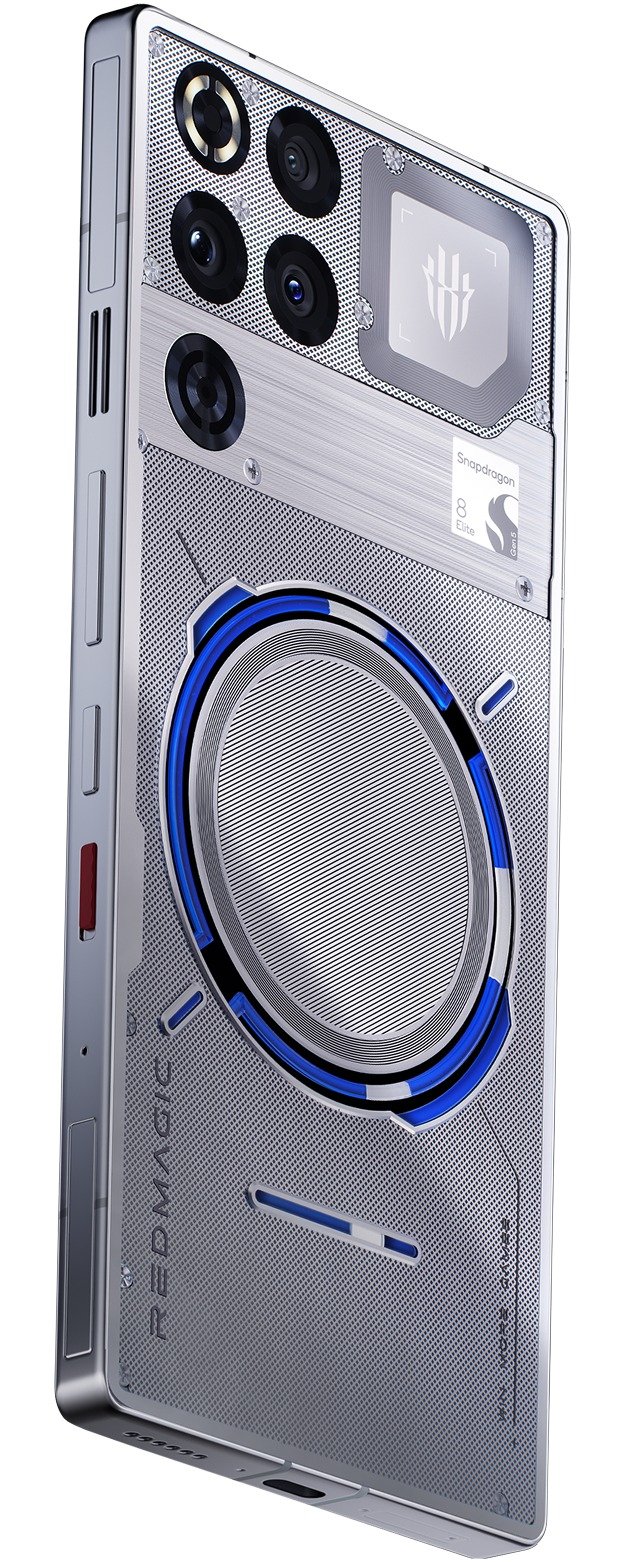
Start here if the honest answer is that you play one demanding game seriously. After ASUS closed its phone lines this year, this is the only handset still made whose entire design brief was gaming, and the parts that matter are the ones nothing else fits: an internal fan RedMagic rates at 24,000 revolutions per minute, a liquid cooling loop, and 520Hz capacitive shoulder triggers on the frame.
The 3,000Hz touch sampling rate is the specification competitive players notice first, because it is several times what a normal panel manages and it decides whether a swipe lands where you aimed it. A 7,500mAh battery and a 3.5mm headphone jack complete a list of things mainstream phones gave up years ago.
What it does well
- The only phone on sale with a fan.
- Shoulder triggers built in, so no clip-on is needed.
- 3,000Hz touch sampling, which nothing else here approaches.
- Headphone jack, close to the last one on a new phone.
What to know before buying
- Not on Amazon, so it is a direct purchase from RedMagic.
- Shorter update window than Samsung or Google.
- Large and heavy in a pocket.
2. OnePlus 15: For One Phone That Does Everything

The best-rated phone in this group and the mainstream flagship that behaves most like a gaming handset. It runs current Snapdragon silicon on Android 16, and OnePlus has spent several generations tuning for frame-rate stability rather than for peak benchmark numbers, which is the difference you feel in hour two.
If you want one phone and refuse to compromise on either camera or games, this is the pick. It is the international version on Amazon, so check your carrier before ordering.
What it does well
- Highest customer rating on this page.
- Current flagship silicon, the same tier as the dedicated gaming phones.
- LTPO panel that drops its refresh rate when nothing is moving.
- Game tools including frame-rate controls built into the software.
What to know before buying
- International version, GSM only and no CDMA.
- No fan, so very long sessions still throttle.
- No shoulder triggers.
3. Samsung Galaxy Z Fold8: For Strategy and Tablet-Style Games
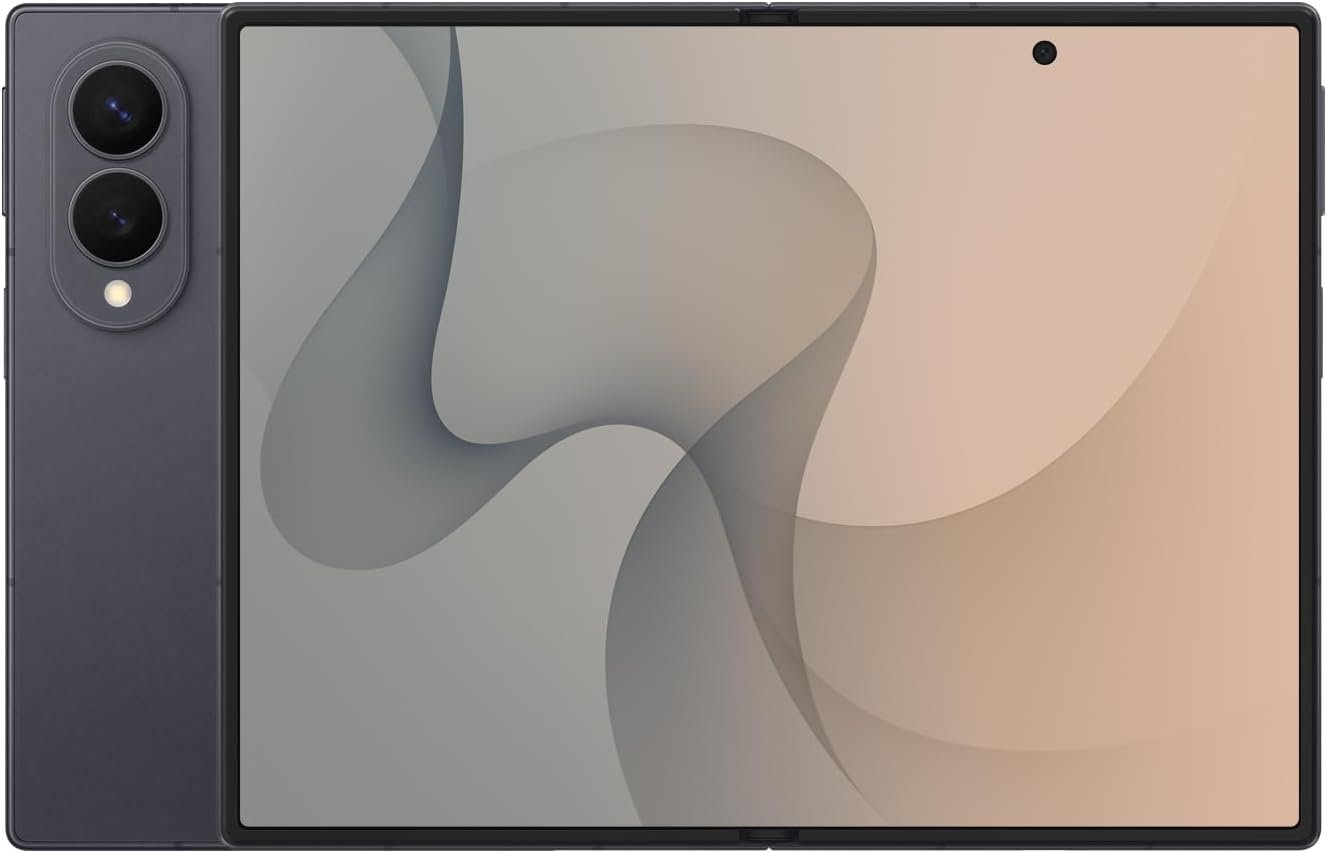
A foldable is a strange recommendation for gaming until you think about what actually benefits. Strategy games, city builders, card games and anything with a dense interface are transformed by a tablet-sized screen that still folds into a pocket, and those genres dominate what people play on phones.
What it is not is a twitch-gaming device. The crease sits where your thumb travels in a shooter and the unfolded aspect ratio suits menus better than action. Bought for the right genres it is the most interesting phone here; bought for the wrong ones it is an expensive mistake.
What it does well
- A tablet-sized screen that folds into a pocket.
- Transformative for strategy and management games.
- Sold with a US warranty and full carrier support.
- Multitasking that no slab phone matches.
What to know before buying
- The crease sits where your thumb moves in action games.
- Heaviest phone here by a wide margin.
- Most expensive by some distance.
4. Samsung Galaxy S26 Ultra: For a US Warranty and No Compromises

Not sold as a gaming phone and does not need to be. A 6.9-inch QHD+ panel at 120Hz, a large vapour chamber and flagship silicon handle everything on either store, and Samsung backs it with a US warranty and years of software support that no gaming brand matches.
The trade is the familiar flagship one: it throttles sooner than a cooled phone, so the frame rate sags in a long session rather than holding flat. For most buyers that matters far less than having somewhere to send it when something breaks.
What it does well
- US warranty and every carrier, unlike most of this list.
- Highest-resolution display here.
- Years of updates.
- Best all-round phone on the page.
What to know before buying
- Throttles sooner than a cooled phone.
- No gaming-specific hardware at all.
- Priced well above the performance picks.
5. POCO F8 Pro: For Flagship Silicon on a Budget

The POCO line exists to put flagship chips in a cheaper body, and this is the clearest example here. Xiaomi quotes a 6.59-inch 2K display at 120Hz with 3,500 nits peak, a 6,210mAh battery and 100W charging, behind current flagship silicon.
What gets cut to reach the price is the camera, the materials and the support window, not the performance. If the phone is mostly a games machine those are exactly the right compromises.
What it does well
- Flagship chip at a mid-range price.
- 6,210mAh with 100W charging.
- 3,500 nits peak, usable outdoors.
- Game Turbo mode with per-game controls.
What to know before buying
- Importer listing, with a T-Mobile network caveat.
- Camera is the obvious compromise.
- Shorter updates than Samsung or Google.
6. OnePlus 15R: For Shooters Without Flagship Money

The specification almost nobody lists is the reason this is here: a dedicated touch response chip quoted at 3,200Hz, alongside a 165Hz display. In a shooter that combination is worth more than a faster processor, because what limits you on a touchscreen is how quickly the panel notices your thumb.
Add the largest battery OnePlus has shipped at 7,400mAh with 80W charging and a comprehensive IP rating, and it becomes the value pick for anyone who plays competitively but will not pay flagship prices.
What it does well
- 3,200Hz dedicated touch response chip.
- 165Hz, the highest refresh rate here.
- 7,400mAh with 80W charging.
- Full IP rating for dust and water.
What to know before buying
- A tier below the flagship chips above it.
- International version, GSM only.
- No fan or triggers.
7. Google Pixel 11 Pro: For Casual Play and Everything Else

The honest entry. Best camera and best software on the page, and for the puzzle, card and merge games that fill the charts it is more than enough. Google quotes more than 30 hours of battery and backs it with seven years of updates.
What it is not is a sustained-performance phone, because Tensor silicon throttles harder than its rivals under a long load. If gaming is a small slice of what you do, that trade is easy. If it is the main event, buy something above it on this list.
What it does well
- Best cameras and software here.
- Seven years of updates.
- US sold and supported on every carrier.
- Comfortably handles the games most people play.
What to know before buying
- Throttles hardest of any flagship here.
- No gaming features worth the name.
- Wrong phone for demanding 3D titles.
8. Redmi Note 15 Pro+: For the Smallest Sensible Budget
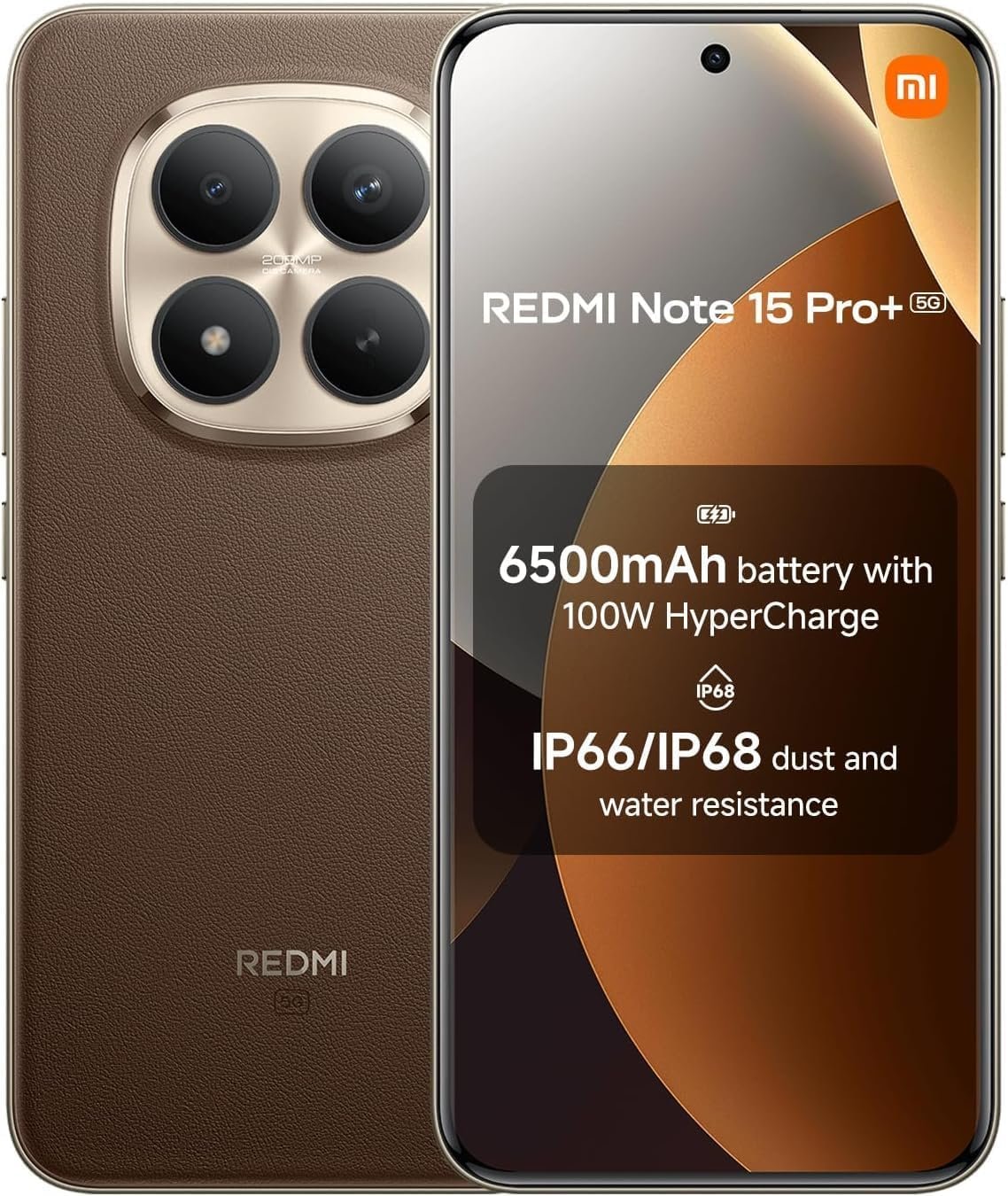
The cheapest phone here that is still worth recommending for games. A 6.83-inch 120Hz display and a large battery cover the casual and mid-weight library comfortably, which is the overwhelming majority of what gets played on a phone.
It will not hold a frame rate in a demanding open-world title, and it is not sold with a US warranty. Within those limits it does more than its price suggests.
What it does well
- 120Hz at the lowest price here.
- Large battery for long casual sessions.
- Handles the puzzle and strategy library without complaint.
- Large, bright screen for the money.
What to know before buying
- Not for demanding 3D games.
- Importer listing with the usual network caveat.
- Lowest rating on this page, though still above four stars.
9. Nothing Phone (4a) Pro: For Puzzle Players Who Want Design

A mid-range phone with a clean Android build and the most distinctive design on the page. For the sorting, merge, card and sudoku games that occupy most of the free chart, the hardware is well ahead of what the job needs.
It belongs on a gaming list for the same reason the chart does: a list that only contains flagships is not much use to somebody who plays for twenty minutes on a commute.
What it does well
- Clean Android with a long support window.
- 120Hz AMOLED at a one-handed size.
- Distinctive design, which matters more than specs to some buyers.
- Sold through normal US channels.
What to know before buying
- Mid-range silicon, so 3D games will compromise.
- No gaming features.
- Smaller battery than the performance picks.
10. Google Pixel 11: For Light Players Who Want Seven Years of Updates

The standard Pixel does everything the Pro does for the games most people play, at a lower price and in a smaller body. The same seven-year update commitment applies, which over the life of the phone is worth more than any specification on this page.
The same caveat applies as to its larger sibling: Tensor throttles, so demanding 3D titles lose frame rate sooner here than on anything running Snapdragon or Dimensity silicon.
What it does well
- Seven years of updates at a mid-range price.
- One-handed size, which this list is otherwise short of.
- 30+ hours of battery in general use.
- US sold and supported.
What to know before buying
- Throttles in long sessions, like every Tensor phone.
- No gaming features.
- Not the phone for a demanding library.
Match the Phone to the Genre
The useful question is not which phone is fastest but which bottleneck you are actually hitting. Four genres, four different answers.
- Competitive shooters: touch sampling and triggers decide this, not the chip. The RedMagic or the OnePlus 15R.
- Open-world and gacha RPGs: sustained cooling and battery. Anything with a fan, or a flagship plus a clip-on cooler.
- Strategy, builders and card games: screen area beats everything. The foldable, or the largest slab you will carry.
- Puzzle, merge and casual: almost any current phone. Spend the money on the camera instead.
That last line is the one most buying guides will not print. The majority of what gets played on phones runs happily on hardware several years old, which our look at what actually tops the free charts sets out, and for those players a gaming phone is money spent on a bottleneck they never reach.
What to Know About Import Listings
Several of these are global or international versions sold by importers rather than by the manufacturer. That is not a reason to avoid them, but it changes three things that the listings bury in small print.
- GSM only. They will not work on Verizon or other CDMA carriers, and several specify T-Mobile networks.
- No manufacturer warranty. Support ends with the seller.
- Band coverage varies, so check 5G bands against your own carrier.
- Global ROM software, usually on a different update schedule.
The Samsungs, the Pixels and the Nothing are the exceptions, sold through normal US channels with a warranty. If that matters more than the last ten per cent of sustained performance, buy one of those and spend the saving on a clip-on cooler and a controller, which between them close most of the gap and survive your next phone.
Which One to Buy
If you play competitively, the RedMagic 11 Pro, because nothing else has a fan, triggers and a 3,000Hz panel. If you want one phone for everything, the OnePlus 15, which is the best-rated handset here and runs current flagship silicon. If your library is strategy and management, the Z Fold8 changes those games in a way no amount of processing power does.
Below that it is about budget rather than compromise. The POCO F8 Pro for flagship silicon cheaply, the OnePlus 15R for touch response, the Redmi Note 15 Pro+ at the bottom end, and either Pixel if games are a small part of what the phone is for. Whichever you choose, the settings in our guide to a phone that keeps overheating recover more sustained performance than the gap between most of these ten.
Frequently Asked Questions
Do I need a gaming phone to play mobile games?
Almost certainly not. The puzzle, card, merge and strategy games that dominate the charts run on hardware years old. Only demanding 3D open-world and shooter titles need flagship silicon, and even there heat rather than raw speed is usually the limit.
Is ASUS still making the ROG Phone?
No. ASUS confirmed in early 2026 that it would stop launching new Zenfone and ROG Phone models and move those resources into AI hardware. Existing handsets keep their support, but there is no successor.
Does a foldable make sense for gaming?
For strategy, management and card games, genuinely yes, because screen area is the real constraint in those genres. For shooters and action games it is the wrong shape, since the crease sits where your thumb travels.
How much does refresh rate matter?
Less than touch sampling rate, which almost no listing mentions. A 165Hz panel looks smoother, but how quickly the screen registers your thumb is what decides whether an input lands when you meant it to, and that is a separate specification.
Related Articles
- Best Gaming Handhelds: The Ultimate Guide to Portable Consoles
- Best Power Banks: 7 Compared on Watts, Watt-Hours and Cables
- Best GameSir Controller: 7 Compared Across Every Platform
- Pixel 10a Alternatives
- Xiaomi 18 Pro Max Transparent Edition vs the Standard Model
As an Amazon Associate, CanyonWire earns from qualifying purchases.