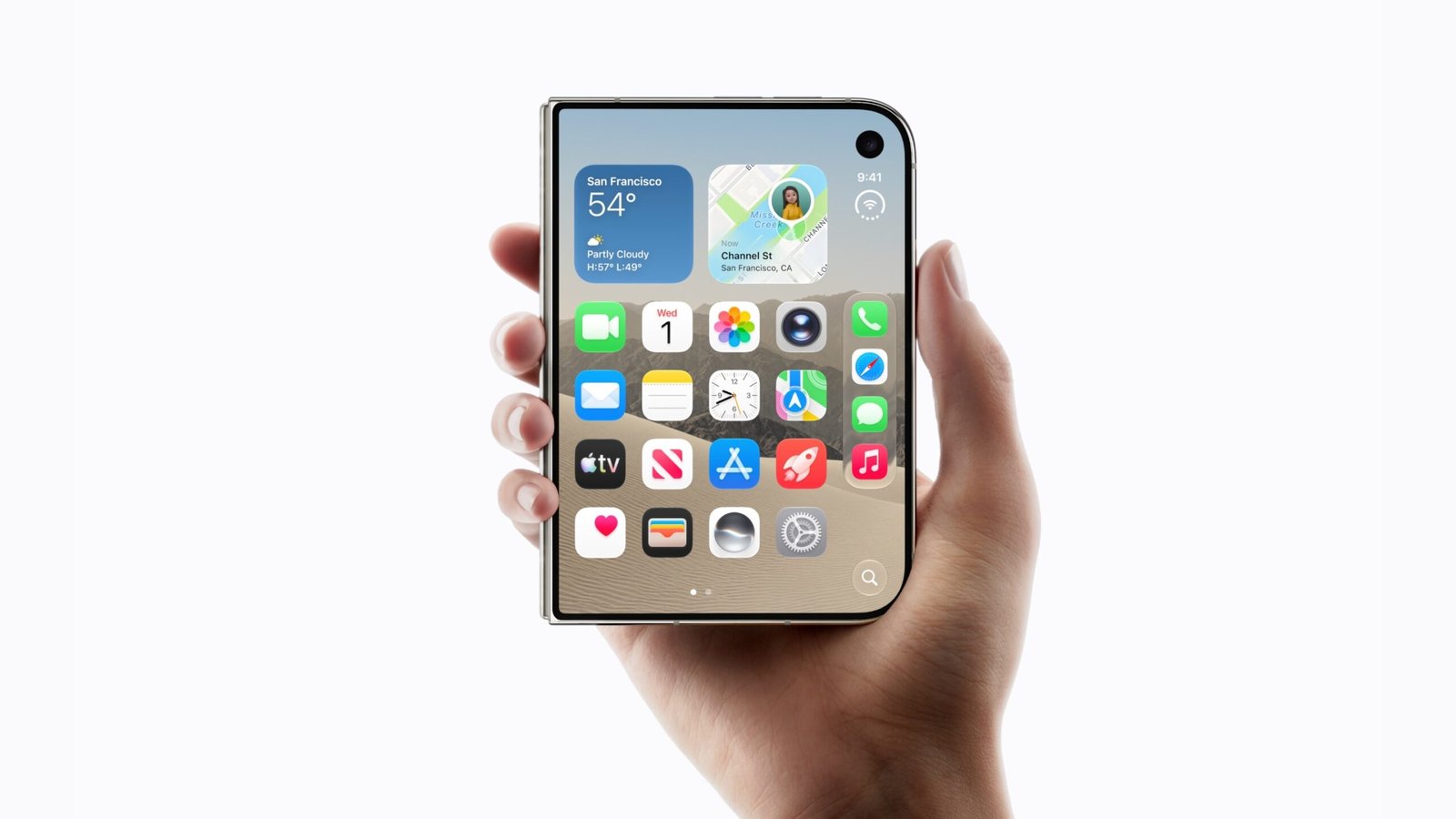
Apple’s iPhone Duo is the company’s first foldable phone, a book-style device that opens from a 5.4-inch cover screen into a 7.6-inch display.
It starts at $1,999 and ships on October 23, arriving years after Samsung, Google and Honor built out the foldable category.
This guide covers the confirmed hardware, all four storage tiers, the full pricing ladder and how the Duo measures up against Android folding phones.
iPhone Duo Foldable Specs at a Glance
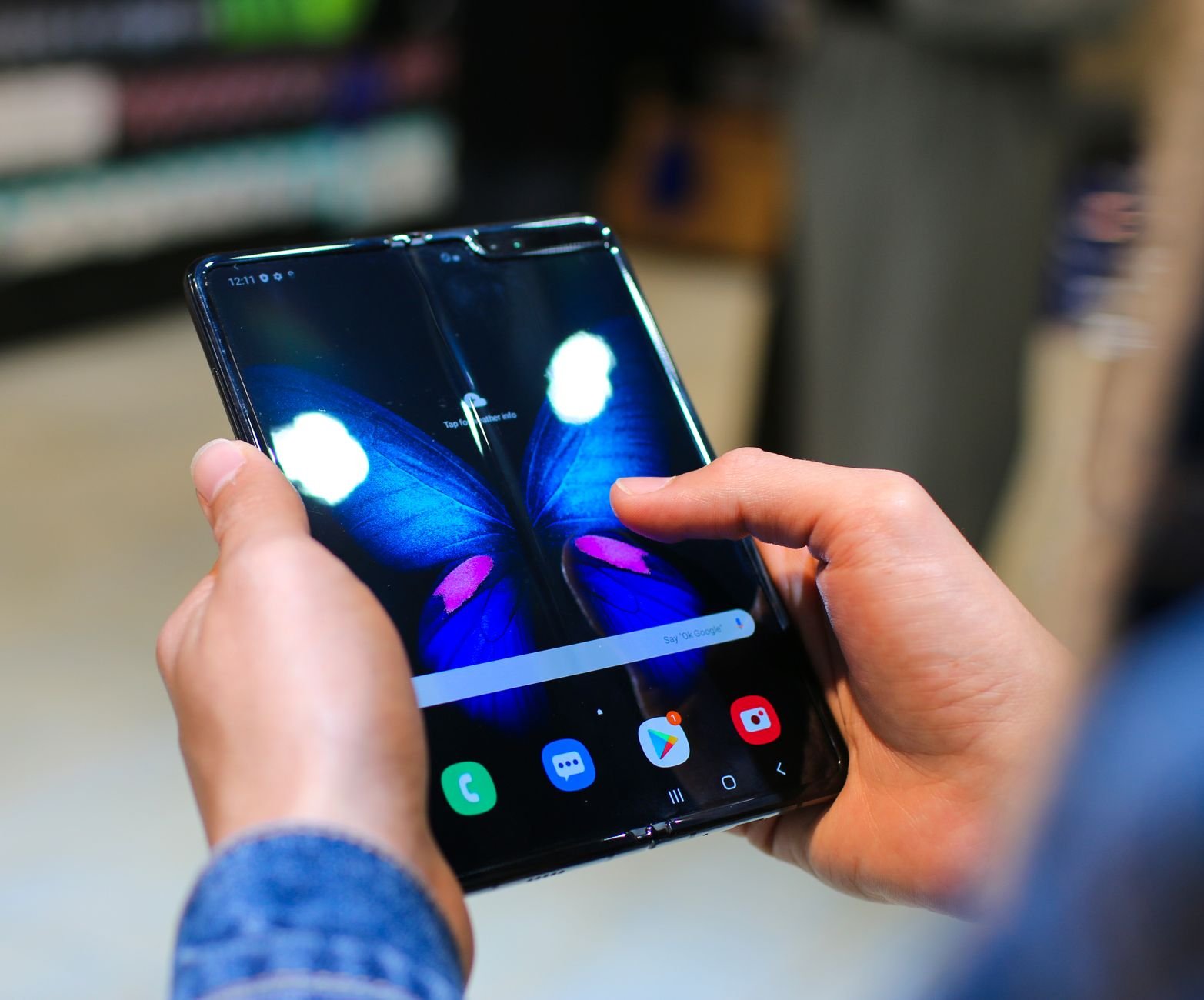
Every figure below comes from Apple’s published specifications for the device. Use it as the quick reference before the detailed sections.
| Specification | iPhone Duo |
|---|---|
| Inner display | 7.6-inch Super Retina XDR, ProMotion, Always On |
| Outer display | 5.4-inch Super Retina XDR, ProMotion, Always On |
| Peak brightness | 3,000 nits outdoors on both panels |
| Chip | A20 Pro, built on a 2-nanometer process |
| CPU and GPU | 6-core CPU, 7-core GPU |
| Neural Engine | Dual 16-core |
| Rear cameras | 48MP Fusion Main with 2x telephoto, 48MP Fusion Ultra Wide |
| Front cameras | Center Stage outer camera, hidden FaceTime camera under inner screen |
| Video | 4K120 fps in Dolby Vision |
| Battery life | Up to 31 hours inner screen, 44 hours outer screen |
| Thickness | 5.2mm unfolded, 11.3mm folded |
| Weight | 254 grams (8.96 ounces) |
| Frame | Grade 5 titanium, mirror-polished |
| Protection | Ceramic Shield 2 front, Ceramic Shield back |
| Durability | IP68, 6 meters for 30 minutes |
| Biometrics | Touch ID in the side button, no Face ID |
| Connectivity | C2 modem, N1 wireless chip, Wi-Fi 7, Bluetooth 6, Thread |
| SIM | eSIM only, worldwide |
| Software | Ships with iOS 27.1 |
| Storage | 256GB, 512GB, 1TB, 2TB |
| Colors | Star White, Night Sky |
| Price | From $1,999 to $3,199 |
| Pre-order | October 16 |
| On sale | October 23 |
The two panels share an aspect ratio, so apps scale between the closed and open states without letterboxing or awkward reflows.
Two Screens, One Titanium Shell: How the Duo Folds

The hinge is where folding phones usually fail first, and Apple spent real design effort there. It uses more than 100 components.
An integrated magnet array holds the two halves shut, so the phone does not gap open in a pocket the way early folding designs did.
The frame is grade 5 titanium with a mirror-polished finish. Ceramic Shield covers the back, and Ceramic Shield 2 covers the outer display.
Apple rates that second-generation Ceramic Shield at three times the scratch resistance of the previous version. The inner panel gets different treatment entirely.
Because a folding screen cannot use rigid glass across the crease, the inner display layers high-strength glass with custom adhesives and a scratch-resistant coating.
- Frame: grade 5 titanium, mirror-polished, in Star White and Night Sky
- Inner display stack: nano-textured custom polymer with 40% higher stiffness
- Crease handling: nano-texture finish that also cuts glare
- Water and dust: IP68, tested to 6 meters for 30 minutes
- Folded size: 11.3mm thick, 254 grams
- Unfolded size: 5.2mm thick, the thinnest iPhone Apple has shipped
That 5.2mm open measurement is the headline number, but the folded 11.3mm is what your pocket actually feels every day.
Recycled content reaches 35% overall. The battery uses 100% recycled cobalt and the hinge cover uses 100% recycled titanium, per Apple’s announcement.
A20 Pro Chip and the Dual-Battery Layout
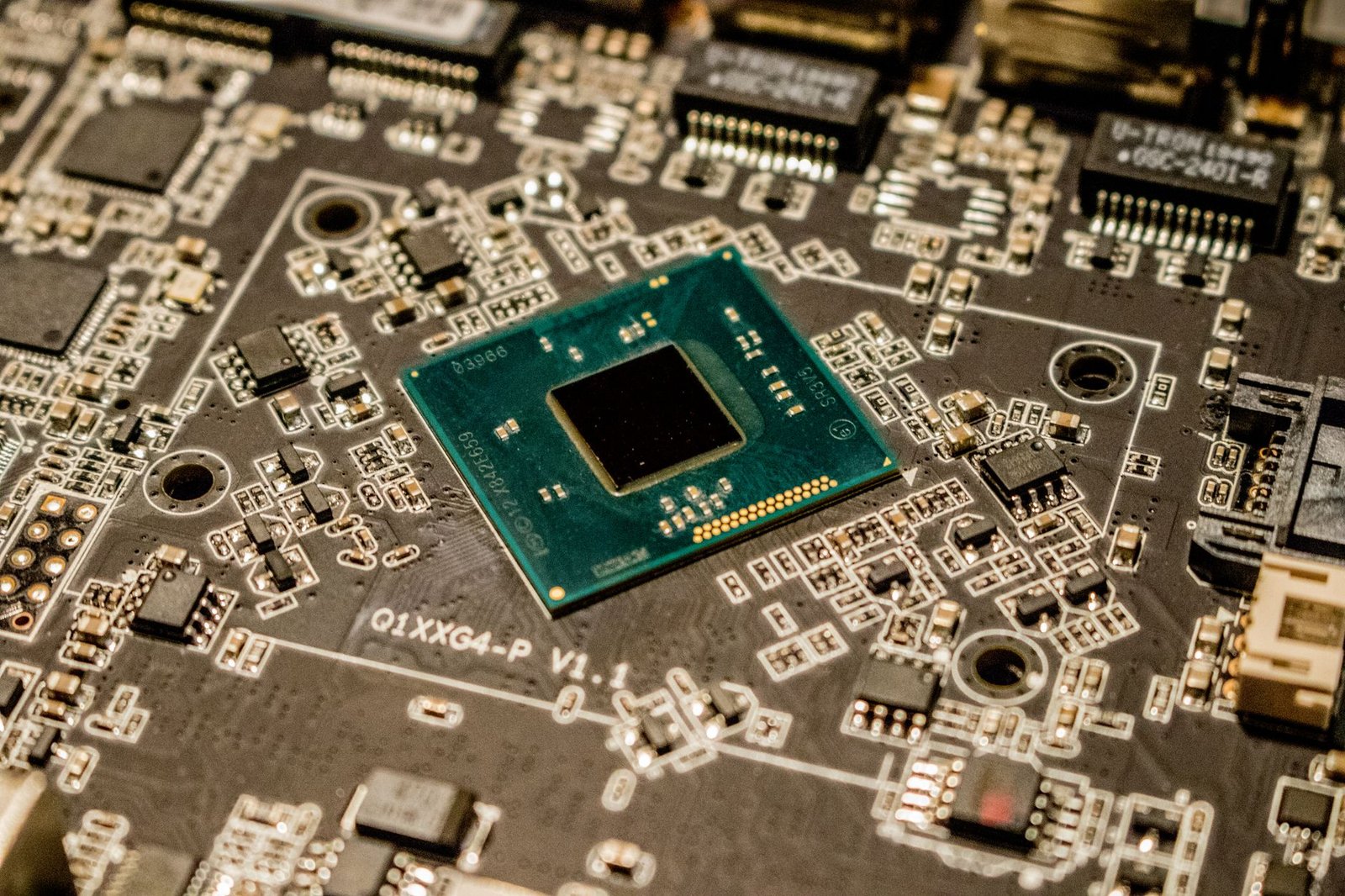
The Duo runs the same A20 Pro silicon as the iPhone 18 Pro, built on a 2-nanometer process rather than 3nm.
Apple quotes a 6-core CPU up to 20% faster than the A19 Pro and a 7-core GPU up to 40% faster while drawing less power.
The dual 16-core Neural Engine doubles the compute available for on-device models, and unified memory bandwidth climbs by 50%.
Sustained performance is the interesting claim: up to 35% better than the iPhone 17 Pro. That is thermal, not clock speed.
A custom vapor chamber does the work, alongside a chip package Apple says borrows from its M-series designs, covered in our MacBook Neo comparison.
Power is split across two batteries, one in each half of the chassis. The runtime figures depend on which screen you actually use.
- Up to 31 hours of video playback on the 7.6-inch inner display
- Up to 44 hours of video playback on the 5.4-inch outer display
- Up to 24 hours in mixed use, splitting time evenly between both
- 50% charge in about 20 minutes on a wired connection
- 50% charge in about 30 minutes over MagSafe or Qi2
Two cells also means two aging curves. If you track battery health on your current phone, our guide to checking iPhone cycle count still applies.
Camera System: Two 48MP Fusion Lenses and a Hidden Selfie Cam
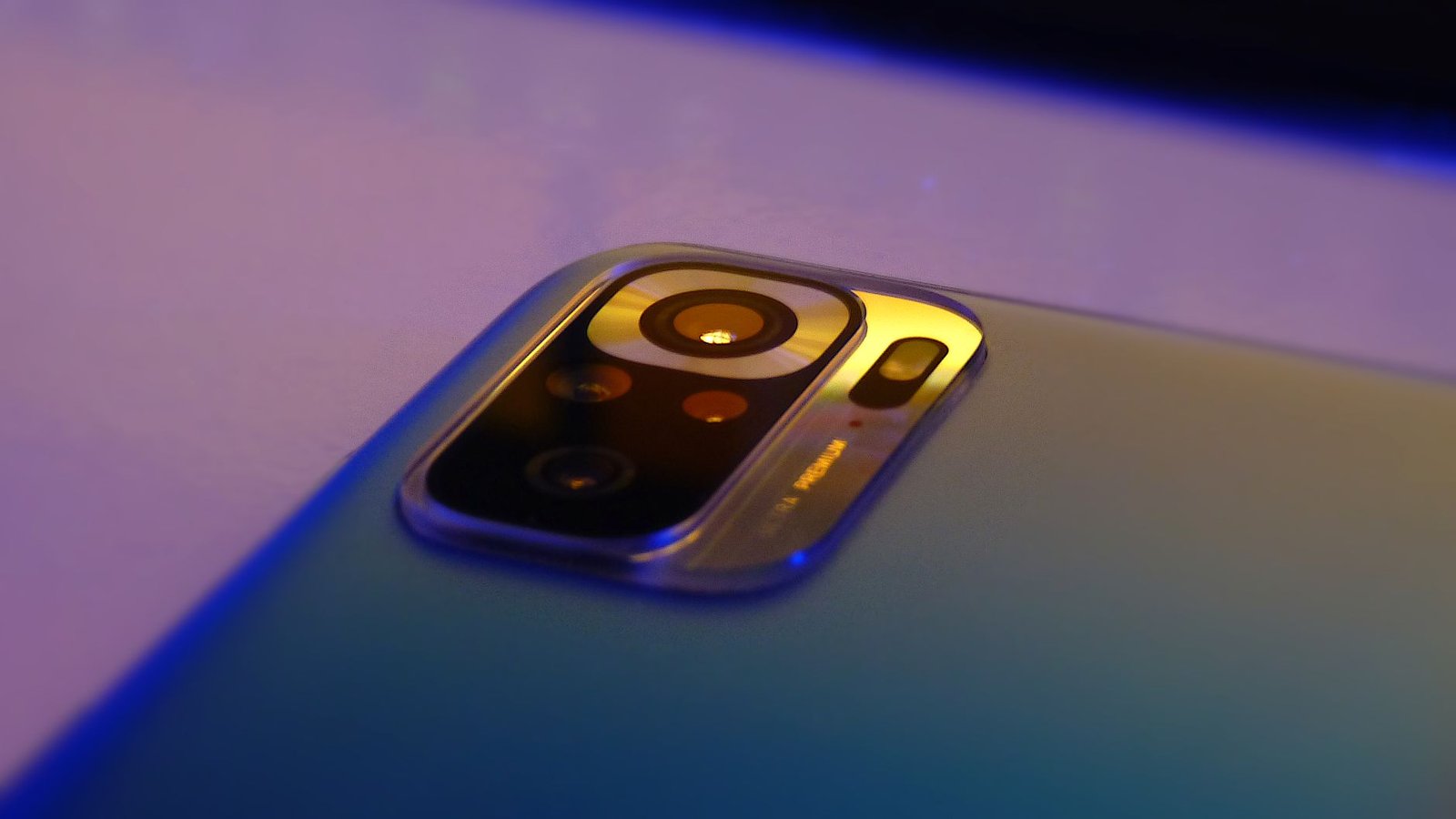
The rear array is a pair rather than a trio. Both sensors are 48 megapixels, and both are shared with the iPhone 18 Pro line.
The 48MP Fusion Main handles standard shots and crops in for what Apple calls an optical-quality 2x telephoto, so there is no dedicated third lens.
The 48MP Fusion Ultra Wide covers wide shots and macro work. Default capture lands at 24MP, with sensor-shift stabilization on the main camera.
Video tops out at 4K120 fps in Dolby Vision, and cinematic depth effects can be adjusted after capture at up to 60 fps.
The front camera story is the more unusual one. There are two, and one of them you cannot normally see.
The outer screen carries a Center Stage camera that widens its field of view automatically when more people enter the frame.
The inner screen hides a FaceTime camera under the display itself. It becomes visible only while in use, leaving an uninterrupted panel otherwise.
Under-display cameras have historically traded image quality for a clean screen, so this is the specification most worth checking in hands-on reviews.
Duo Preview lets your subject watch themselves on the outer screen. Duo FaceTime splits multi-person calls across the wide inner panel.
Smart Take fires the shutter on-device once everyone in frame is posing. Kid Cue plays animations to hold a child’s attention.
iPhone Duo Price by Storage Tier and Release Dates
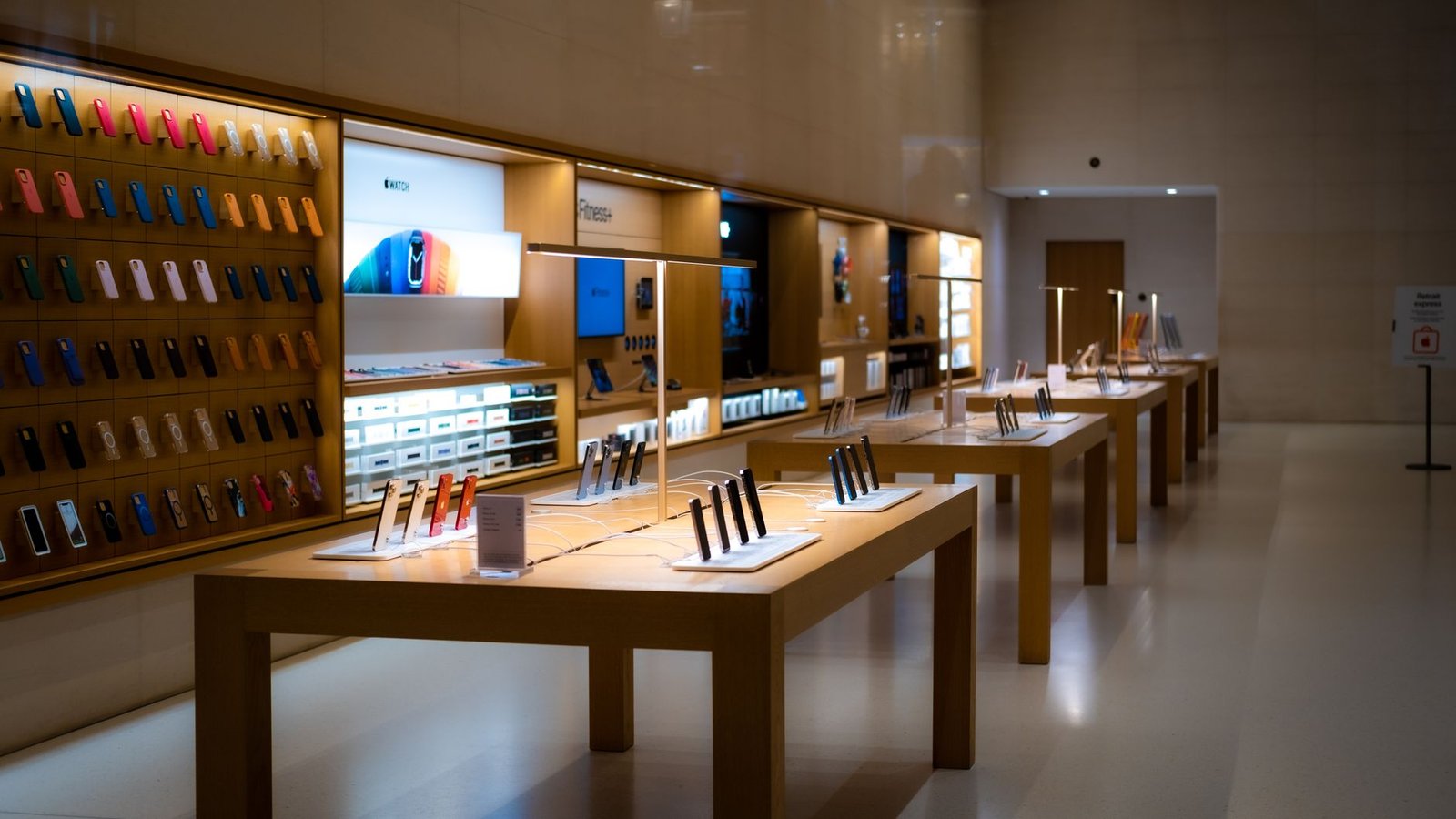
The Duo opens at $1,999 for 256GB and climbs to $3,199 for 2TB, making it the most expensive iPhone Apple has ever sold.
There is no 128GB option. Apple starts the ladder at 256GB, which is a reasonable floor for a device shooting 4K120 Dolby Vision video.
- 256GB: $1,999, or $83.29 a month over 24 months with Apple Card Monthly Installments
- 512GB, 1TB and 2TB: tiers running up to $3,199
- Apple Upgrade lease: from $57.99 a month on a 24-month term
- iPhone Duo Case: $79, in sand or navy blue
- iPhone Duo Folio: $129, in navy blue or taupe
Pre-orders open on Friday, October 16 at 5 a.m. Pacific. The first wave of shipments and in-store availability follows on Friday, October 23.
That first wave covers more than 70 countries. A second group of 28 countries follows a week later, on October 30.
Full configuration options and regional pricing are listed on the official iPhone Duo page as each market opens.
iPhone Duo vs Galaxy Z Fold 8: Size, Screen and Price
Apple did not invent this shape. Samsung has shipped book-style folding phones since 2019, and Google and Honor followed with their own takes.
| Model | Weight | Folded thickness | Starting price |
|---|---|---|---|
| Apple iPhone Duo | 254g | 11.3mm | $1,999 |
| Samsung Galaxy Z Fold 8 | 201g | 9.7mm | $1,899 |
| Samsung Galaxy Z Fold 8 Ultra | 215g | 8.9mm | Above Z Fold 8 |
| Google Pixel 11 Pro Fold | 239g | 10.1mm | Below iPhone Duo |
Apple’s first attempt is the heaviest and the thickest folded of that group. It is 53 grams heavier than the standard Galaxy Z Fold 8.
Screens are closely matched. Both use a 7.6-inch inner panel peaking at 3,000 nits, and Samsung’s cover display is slightly larger at 5.5 inches.
Camera counts match too. The Z Fold 8 pairs a 50MP main with a 50MP ultra wide, so neither has a telephoto lens.
Price separates them by $100 in the United States, at $1,999 against $1,899. That gap widens in some other markets.
Folding phones still make up a small slice of the market. Industry estimates have put them at under 2% of global smartphone shipments.
Background on how the category developed, and which designs came first, is collected on Wikipedia’s foldable smartphone page.
Software: iOS 27, Apple Intelligence and an eSIM-Only Design
The Duo ships with iOS 27.1 rather than the 27.0 release that reached other iPhones earlier in the cycle.
Apple Intelligence runs on-device where it can and hands heavier requests to Private Cloud Compute. The revamped Siri arrives in beta with iOS 27.
Siri launches in English first. French, Japanese, Korean, Portuguese and Spanish follow in October, which matters for multilingual households.
Connectivity is all Apple silicon. The C2 modem handles mmWave in the United States, and the N1 chip covers Wi-Fi 7, Bluetooth 6 and Thread.
There is no SIM tray anywhere. The Duo is eSIM only in every market, which changes how you move a number between phones.
Face ID does not make the cut. Authentication runs through Touch ID built into the side button, with Apple Watch unlock as a secondary option.
That is practical rather than a downgrade. A Face ID array needs depth sensors that are hard to fit into a 5.2mm half.
The usual fixes for when an iPhone will not place calls carry over to the Duo unchanged.
Who the iPhone Duo Is Actually For

At $1,999 this is not a mainstream upgrade. It is a first-generation product at roughly double the price of a standard flagship.
It makes the most sense if you already carry both a phone and a small tablet, since the 7.6-inch panel genuinely replaces one of them.
- Worth considering: you read, edit documents or multitask on a second small screen daily
- Worth considering: you want the longest iPhone video runtime, at 44 hours on the cover screen
- Probably skip: you want the lightest phone, since 254 grams is heavy for a pocket
- Probably skip: you depend on Face ID for app and payment authentication
- Probably skip: you need a dedicated telephoto lens for long-range photography
Durability is the open question no spec sheet answers. IP68 covers water and dust, not the fatigue life of a hinge.
First-generation folding hardware from other makers needed a revision or two before it settled. Waiting for long-term reviews is a defensible call here.
Frequently Asked Questions
Does the iPhone Duo have Face ID?
No. The Duo uses Touch ID in the side button, plus Apple Watch unlock. It is the first flagship iPhone without Face ID in years.
How much does the iPhone Duo cost?
Pricing starts at $1,999 for 256GB and reaches $3,199 for the 2TB model. Cases cost $79 and the folio with a kickstand costs $129.
When does the iPhone Duo ship?
Pre-orders open October 16 at 5 a.m. Pacific. Shipping starts October 23 in more than 70 countries, with 28 more added on October 30.
Is the iPhone Duo waterproof?
It carries an IP68 rating, tested to 6 meters for 30 minutes. That covers splashes and brief submersion, not swimming or diving.
Can the iPhone Duo use a physical SIM card?
No. The Duo is eSIM only in every market worldwide, so there is no SIM tray for a physical card.
Related Articles
- iPhone Duo vs Galaxy Z Fold 8: Foldable Specs Compared
- iPhone 18 Pro Max vs iPhone 17 Pro Max: What Changed
- Apple Watch Series 12: Specs, Price and What’s New
- iPhone 18 Pro: India Price, A20 Pro Chip and Camera Details
- MacBook Neo Complete Guide: Specs and Review
- How to Fix an iPhone That Will Not Make Calls