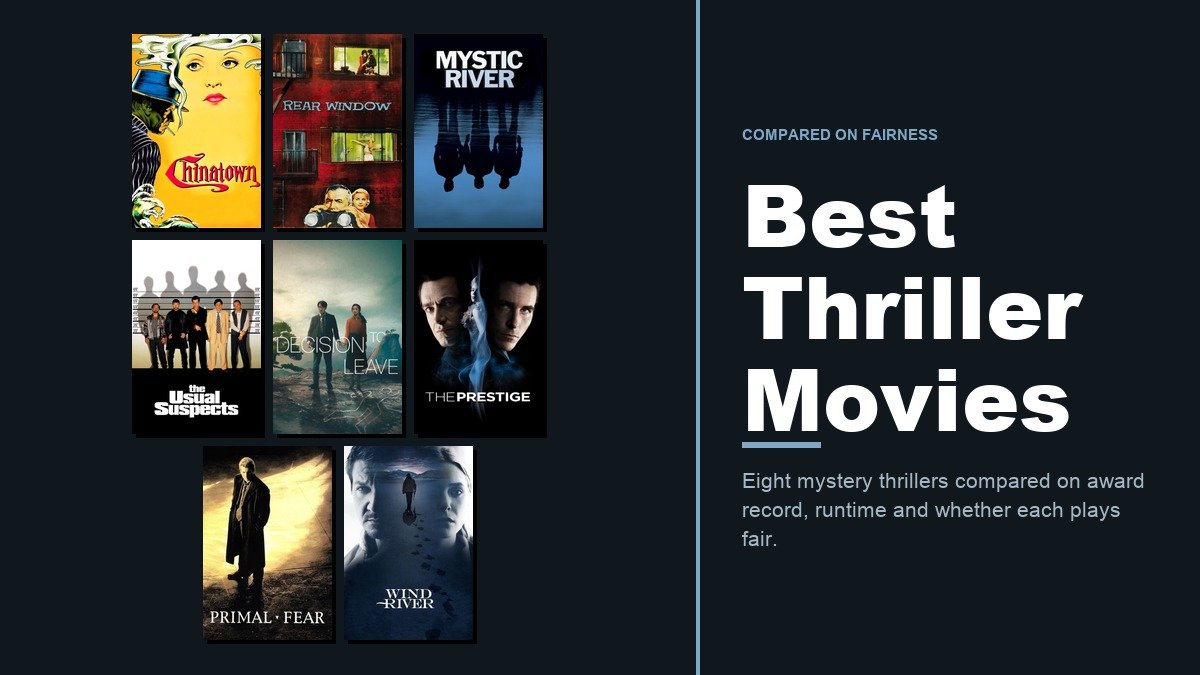
The best thriller movies built on a mystery hand you everything you need and still beat you. Eight are compared below on national preservation first, then Academy Awards, then festival prizes, then worldwide box office.
Two are in the National Film Registry, four won Oscars, and the runtimes run from 106 to 138 minutes. The last column answers the only question that matters in this genre: was the solution available to you before it was given.
| # | Film | Runtime | Record on paper | Does it play fair |
|---|---|---|---|---|
| 1 | Chinatown (1974) | 2 hours 11 minutes | National Film Registry, 1991 | Yes, and the clues are in the paperwork |
| 2 | Rear Window (1954) | 1 hour 52 minutes | National Film Registry, 1997 | Yes, you see exactly what he sees |
| 3 | Mystic River (2003) | 2 hours 17 minutes | 2 Academy Awards | Yes, and the right answer arrives too late |
| 4 | The Usual Suspects (1995) | 1 hour 46 minutes | 2 Academy Awards | Technically yes, and almost nobody catches it |
| 5 | Decision to Leave (2022) | 2 hours 18 minutes | Cannes best director award | Yes, and the second half re-reads the first |
| 6 | The Prestige (2006) | 2 hours 5 minutes | $109 million worldwide | Yes, and it says so in the opening narration |
| 7 | Primal Fear (1996) | 2 hours 9 minutes | $102.6 million worldwide | Yes, and the final scene is the test |
| 8 | Wind River (2017) | 1 hour 47 minutes | $45 million worldwide | Yes, and the obstacle is the paperwork |
The One Rule a Mystery Thriller Cannot Break
The information needed to solve the case has to appear before the solution does. Every film above keeps that contract, including the two with the most notorious twists, which is why they hold up to a second viewing instead of collapsing.
The test removes a large amount of the genre. Anything that reveals a hidden sibling, an unseen accomplice or a new piece of forensic evidence in the last reel is a different kind of film.
It also explains why these run long. Six of the eight pass two hours, because laying a fair trail costs screen time that a cheat does not. The fantasy adventures compared on age and world run shorter for the same reason in reverse: a quest does not have to conceal anything.
The Eight Best Thriller Movies, Compared
1. Chinatown (1974): A Water Rights Case That Turns Into Something Else

Director: Roman Polanski · Runtime: 2 hours 11 minutes · Starring: Jack Nicholson, Faye Dunaway, John Huston · National Film Registry, 1991
Roman Polanski directs a Robert Towne script that won the Academy Award for original screenplay and entered the National Film Registry in 1991. The case begins as a routine infidelity job and ends somewhere no 1974 audience expected.
The structure is strict: Jack Nicholson is in every scene, so the audience never knows more than he does. The famous last line was written to stop the film offering any comfort.
It grossed $29.2 million and runs 131 minutes. Every element of the land fraud is laid out before it is explained.
2. Rear Window (1954): A Mystery Watched Entirely From One Chair
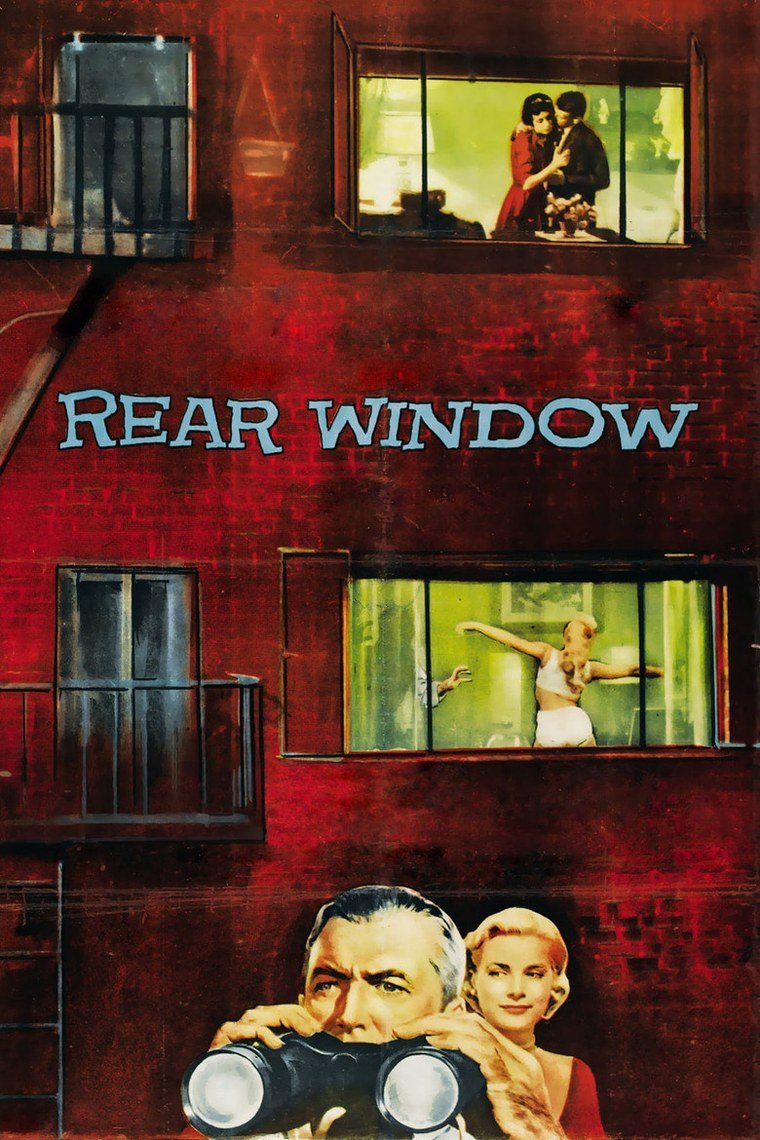
Director: Alfred Hitchcock · Runtime: 1 hour 52 minutes · Starring: James Stewart, Grace Kelly, Wendell Corey · National Film Registry, 1997
Alfred Hitchcock confines the camera to one apartment for 112 minutes and lets the audience solve the case through a window with the same information the character has.
The courtyard set was built full size on a soundstage with working plumbing in every apartment. It entered the Registry in 1997.
It grossed $37.9 million. James Stewart does not leave the chair until the final sequence, which is what makes that sequence work.
3. Mystic River (2003): Two Academy Awards and No Satisfying Answer
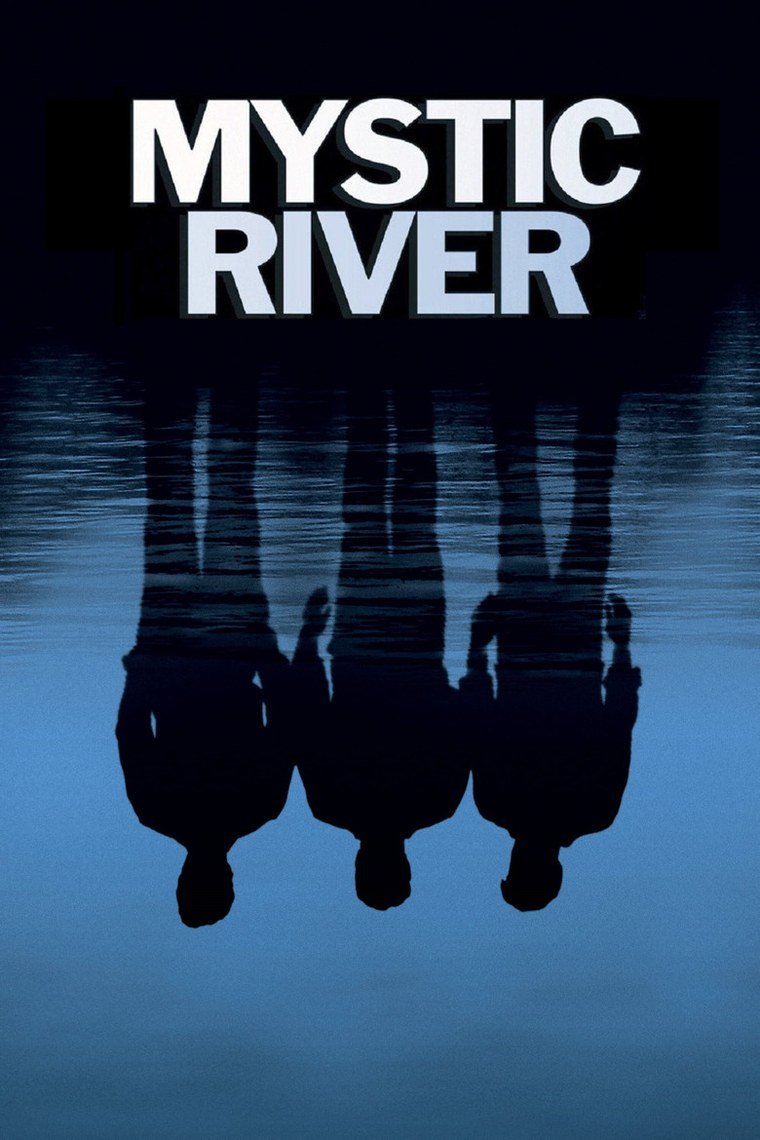
Director: Clint Eastwood · Runtime: 2 hours 17 minutes · Starring: Sean Penn, Tim Robbins, Kevin Bacon · Two Academy Awards
Clint Eastwood won two acting Academy Awards in 2004, for Sean Penn and Tim Robbins. The film is about three childhood friends and a murder, and the investigation is almost beside the point.
The audience is given the solution before the characters reach it, which turns the last thirty minutes into something closer to a tragedy than a mystery.
It grossed $156.6 million and runs 137 minutes, the second longest pick here.
4. The Usual Suspects (1995): A Mystery Told Entirely by a Suspect
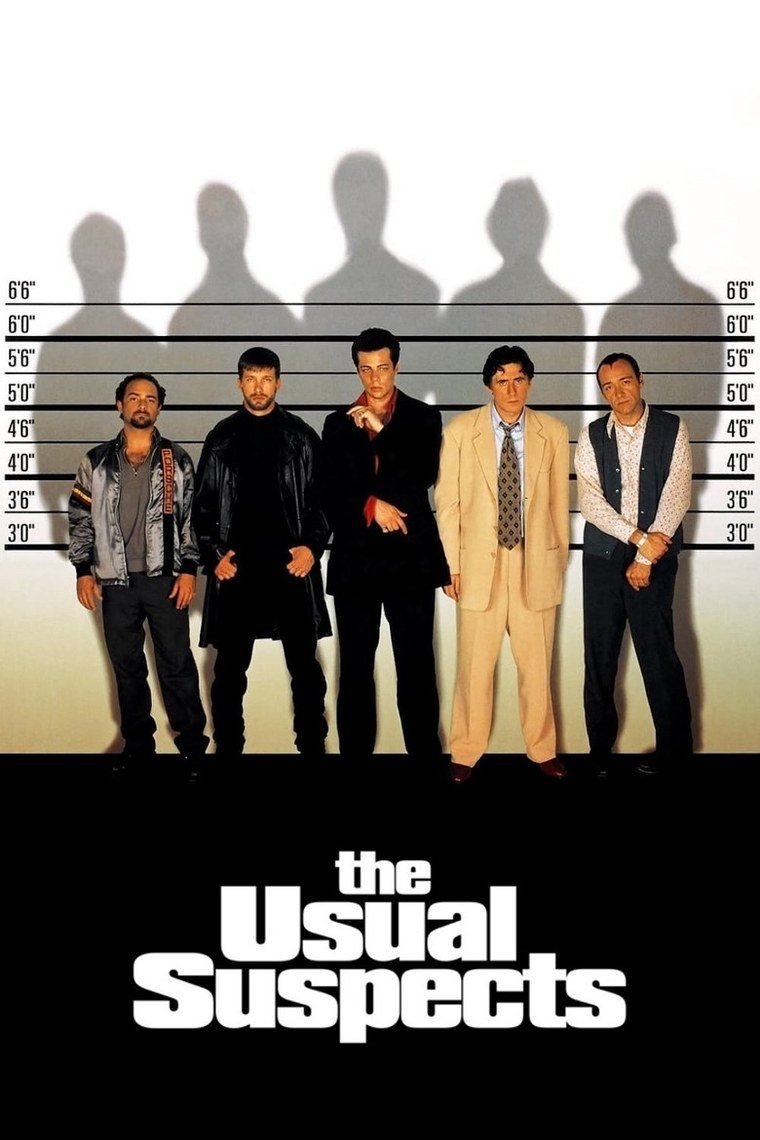
Director: Bryan Singer · Runtime: 1 hour 46 minutes · Starring: Stephen Baldwin, Gabriel Byrne, Benicio del Toro · Two Academy Awards
Bryan Singer’s film won two Academy Awards, for original screenplay and supporting actor. The entire plot is an interrogation, and the audience is watching an account rather than events.
The clues are on the wall of the office in plain sight for the whole scene, which is the cleanest fair-play construction on this list even though it is the twist people feel cheated by.
It grossed $67 million and runs 106 minutes, the shortest film here.
5. Decision to Leave (2022): A Detective Who Falls for the Suspect
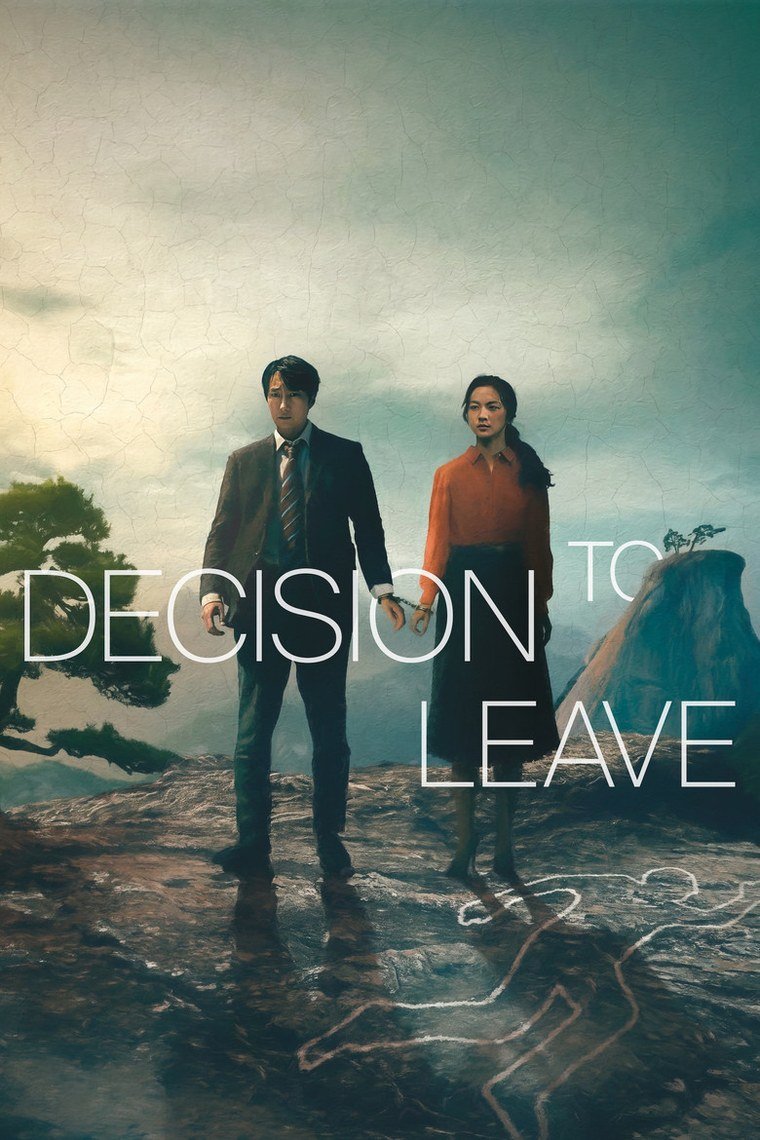
Director: Park Chan-wook · Runtime: 2 hours 18 minutes · Starring: Tang Wei, Park Hae-il, Lee Jung-hyun · Cannes best director award
Park Chan-wook won best director at Cannes for a film in which almost nothing violent happens on screen. The investigation is surveillance, translation and insomnia.
The structure splits in two, with a second case thirteen months later that reinterprets every scene in the first half. Tang Wei plays a suspect whose Korean is deliberately imprecise.
At 138 minutes it is the longest pick here and the most formally inventive. The final shot is on a beach and it is devastating.
6. The Prestige (2006): A Mystery That Tells You It Is Lying to You
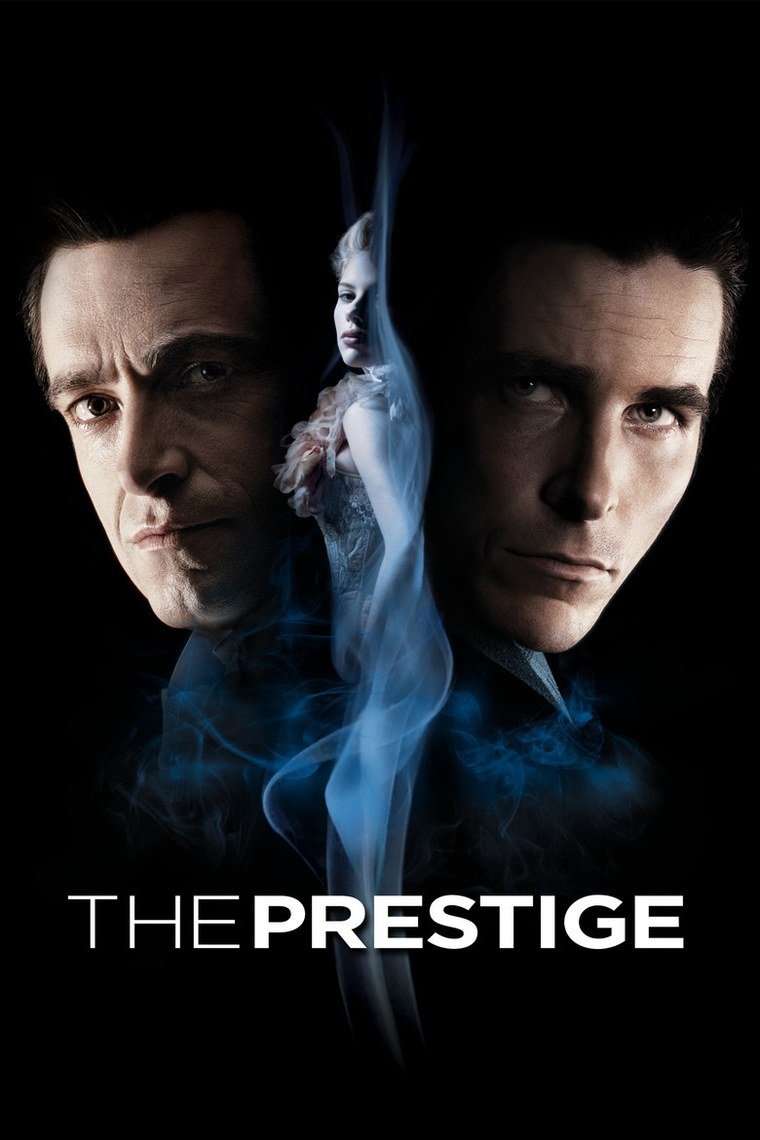
Director: Christopher Nolan · Runtime: 2 hours 5 minutes · Starring: Hugh Jackman, Christian Bale, Michael Caine · $109 million worldwide
Christopher Nolan opens with a voiceover explaining the three-act structure of a magic trick, and then performs exactly that trick on the audience over 125 minutes.
Both solutions are visible early. One is in a shot of a hat, the other in a line about a journal, and the film dares you to notice.
It grossed $109 million. Michael Caine delivers the thesis in the first two minutes and the last two.
7. Primal Fear (1996): The Debut That Made a Career in One Scene
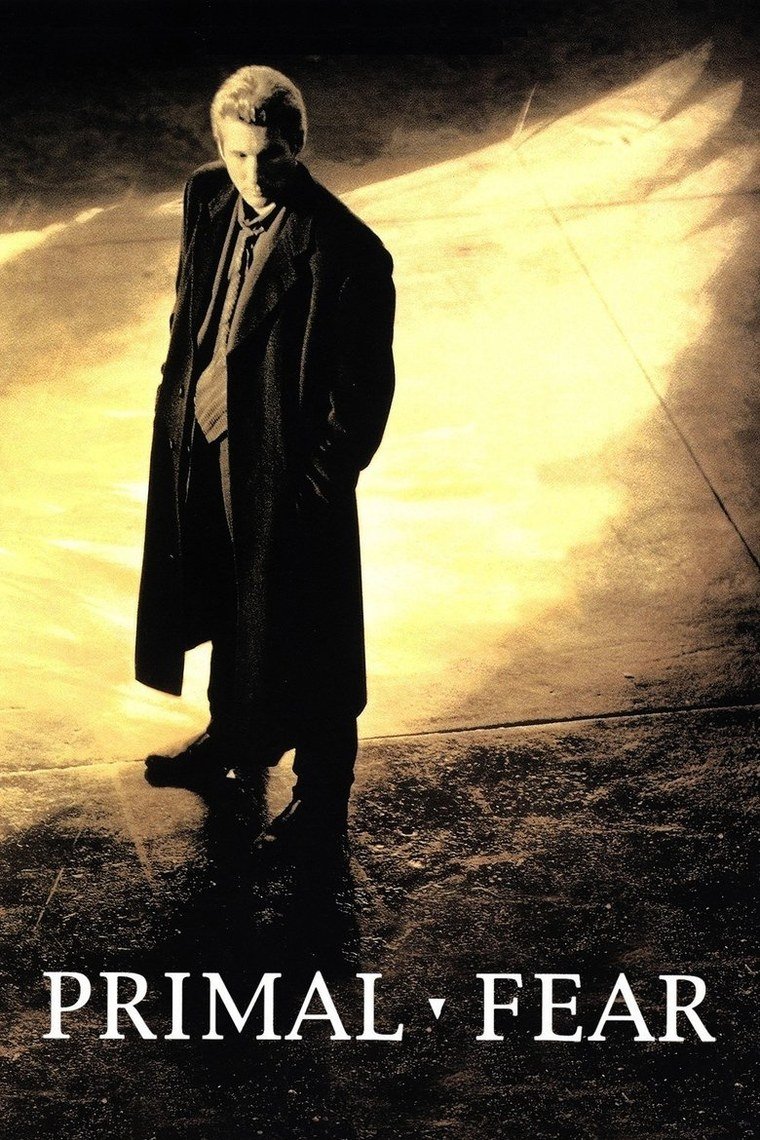
Director: Gregory Hoblit · Runtime: 2 hours 9 minutes · Starring: Richard Gere, Laura Linney, Edward Norton · $102.6 million worldwide
Gregory Hoblit directs a courtroom mystery in which an altar boy is accused of killing an archbishop. Edward Norton was cast from an open call and was nominated for an Academy Award for his first film role.
The mystery is handled fairly: every piece of medical and legal evidence is presented in court before the resolution.
It grossed $102.6 million and runs 129 minutes. The last ninety seconds are the reason anybody remembers it.
8. Wind River (2017): A Case the Jurisdiction Almost Prevents
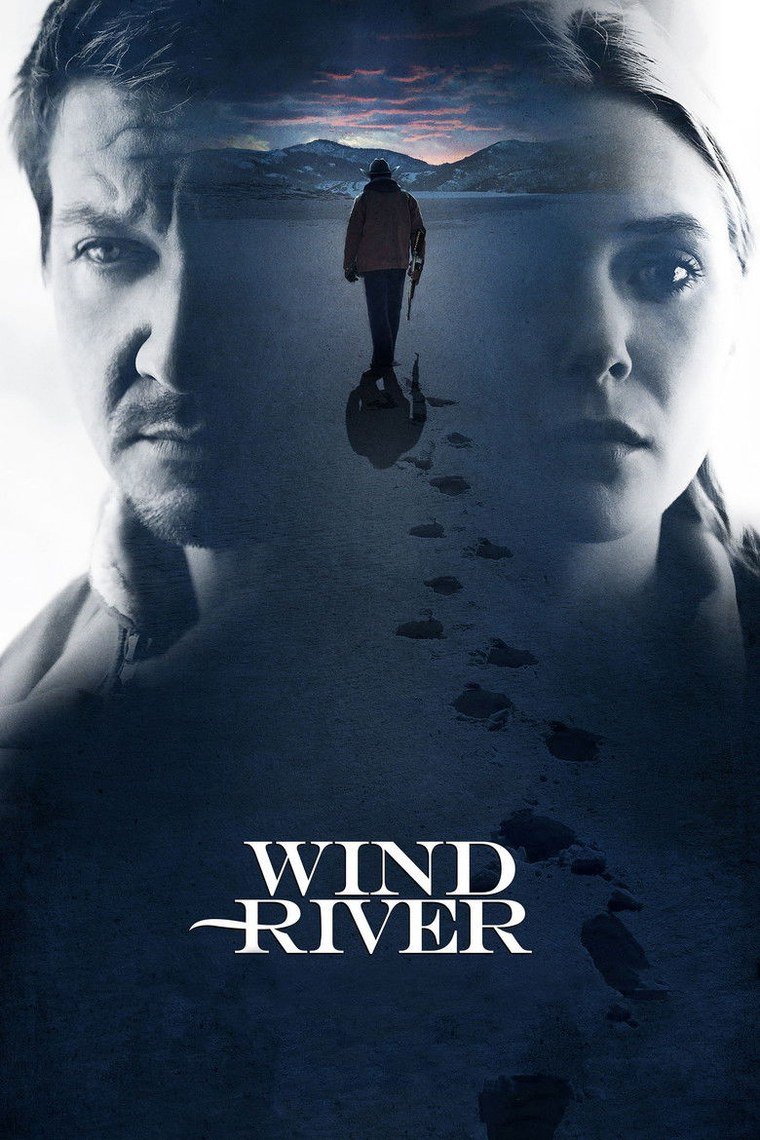
Director: Taylor Sheridan · Runtime: 1 hour 47 minutes · Starring: Jeremy Renner, Elizabeth Olsen, Gil Birmingham · $45 million worldwide
Taylor Sheridan sets a murder investigation on a Wyoming reservation where the question of who has authority to investigate is itself the barrier. That is not a plot device, it is the subject.
Jeremy Renner plays a Fish and Wildlife hunter and Elizabeth Olsen an agent out of her depth, and the film refuses to make the second character competent for convenience.
It grossed $45 million, runs 107 minutes and has spent four weeks in the United States Netflix top ten, the longest run of any film on this page.
Twists You Can Catch and Twists You Cannot
Three of these films put the answer on screen so early that a careful viewer can call it. Three more hide it in a performance rather than in evidence, which is harder to catch and harder to object to.
- Solvable on a first viewing: Rear Window, Chinatown, Wind River
- Hidden in a performance: The Usual Suspects, Primal Fear, Decision to Leave
- Announced and still effective: The Prestige, Mystic River
If you watch with other people, the solvable three generate the best conversation. The performance-based three generate the best arguments afterwards about whether it was fair.
How These Eight Were Compared
Each film needed a record outside itself: National Film Registry selection, an Academy Award, a major festival prize or a confirmed worldwide gross. Preservation ranks first, then Oscars by count, then festival prizes, then box office.
Each also had to put its evidence on screen before its solution and be in wide enough circulation to stream tonight.
The fair-play column is the judgement call, and it is the one to read first. A film can rank highly here and still be a poor choice if you want to be beaten rather than to solve something.
How to Choose Your Next Mystery Thriller
If you want the best-made film on the list, take Chinatown and accept that the ending offers nothing. If you want a single location and a clean puzzle, take Rear Window at 112 minutes.
If you want a twist you will argue about, take The Usual Suspects at 106 minutes, the shortest pick here. If you want something that will surprise you formally rather than with a reveal, take Decision to Leave.
Rear Window then The Prestige runs 3 hours 57 and moves from watching to being watched. For a very different kind of puzzle in the same evening, the science fiction thrillers compared on idea use rules rather than evidence.
Frequently Asked Questions
What is the best mystery thriller movie?
By record, Chinatown: an Academy Award for original screenplay in 1975 and selection for the National Film Registry in 1991. Rear Window is the other Registry pick here, added in 1997, and is the more purely constructed puzzle of the two.
Which thriller on this list is shortest?
The Usual Suspects at 106 minutes, then Wind River at 107 and Rear Window at 112. Decision to Leave is the longest at 138 minutes, with Mystic River next at 137.
Does The Usual Suspects play fair with the audience?
Technically yes. Every element of the account is visible on the office wall during the interrogation, and the film shows it repeatedly. Most viewers do not register it, which is a different complaint from being cheated.
Which of these is based on a true case?
None of the eight dramatises a specific real investigation. Wind River opens on statistics about missing women on United States reservations, and Chinatown draws on the real history of Los Angeles water politics without following a particular case.