Watch the James Bond movies in order by release date: 25 Eon Productions films, starting with Dr. No in 1962 and ending with No Time To Die in 2021. Release order is the sequence the series was built in, and it takes you through six actors in the lead role without a single jump backward. The film list on this page is the one published on 007.com, the official James Bond site.
The chart below numbers all 25 films in watch order. Underneath it, the six Bond eras are taken one at a time so you can see what each stretch contains and where you can step in. If you are planning a marathon, the Harry Potter movies in order guide solves the same problem for a wizarding series, and the best action movies is a shorter way into the genre.
James Bond Movies in Order: All 25 Films With Year and Bond Actor
| # | Film | Year | Bond actor |
|---|---|---|---|
| 1 | Dr. No | 1962 | Sean Connery |
| 2 | From Russia With Love | 1963 | Sean Connery |
| 3 | Goldfinger | 1964 | Sean Connery |
| 4 | Thunderball | 1965 | Sean Connery |
| 5 | You Only Live Twice | 1967 | Sean Connery |
| 6 | On Her Majesty’s Secret Service | 1969 | George Lazenby |
| 7 | Diamonds Are Forever | 1971 | Sean Connery |
| 8 | Live And Let Die | 1973 | Roger Moore |
| 9 | The Man With The Golden Gun | 1974 | Roger Moore |
| 10 | The Spy Who Loved Me | 1977 | Roger Moore |
| 11 | Moonraker | 1979 | Roger Moore |
| 12 | For Your Eyes Only | 1981 | Roger Moore |
| 13 | Octopussy | 1983 | Roger Moore |
| 14 | A View To A Kill | 1985 | Roger Moore |
| 15 | The Living Daylights | 1987 | Timothy Dalton |
| 16 | Licence To Kill | 1989 | Timothy Dalton |
| 17 | GoldenEye | 1995 | Pierce Brosnan |
| 18 | Tomorrow Never Dies | 1997 | Pierce Brosnan |
| 19 | The World Is Not Enough | 1999 | Pierce Brosnan |
| 20 | Die Another Day | 2002 | Pierce Brosnan |
| 21 | Casino Royale | 2006 | Daniel Craig |
| 22 | Quantum Of Solace | 2008 | Daniel Craig |
| 23 | Skyfall | 2012 | Daniel Craig |
| 24 | Spectre | 2015 | Daniel Craig |
| 25 | No Time To Die | 2021 | Daniel Craig |
The Six Bond Eras, in the Order to Watch Them
The numbers in each heading below match the chart. Connery has two entries in the list, and the seventh film brings him back after Lazenby, so the first era is the only one that returns to an actor.
Films 1 to 5, Sean Connery: Start Here With Dr. No
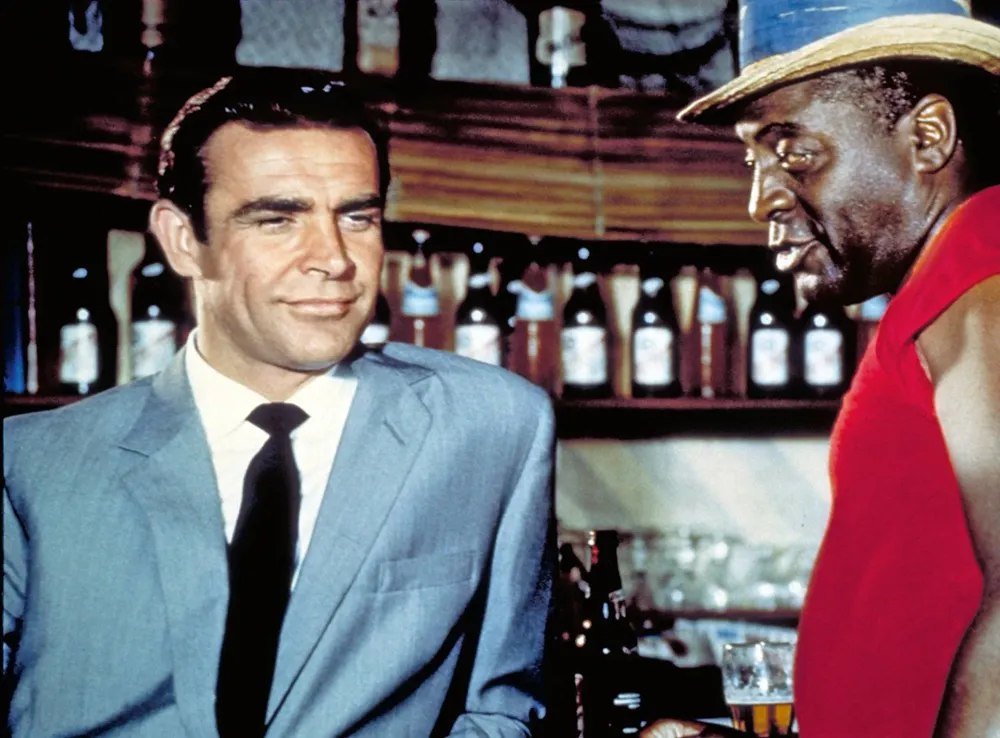
Dr. No is the entry point for a full run. It opened in the UK on 6 October 1962 and in the USA on 8 May 1963, and Terence Young directed it with Harry Saltzman and Albert R. Broccoli producing. From Russia With Love followed in 1963 and Goldfinger in 1964, which gives you three films in three years to open the series.
Thunderball in 1965 and You Only Live Twice in 1967 finish this stretch, directed by Terence Young and Lewis Gilbert. Nothing in the official film list ties these five into a continuing story, so any of them can be watched on its own. Goldfinger, directed by Guy Hamilton, is the one to pick if you want a single Connery film before deciding whether to commit.
Film 6, George Lazenby: A One-Film Era
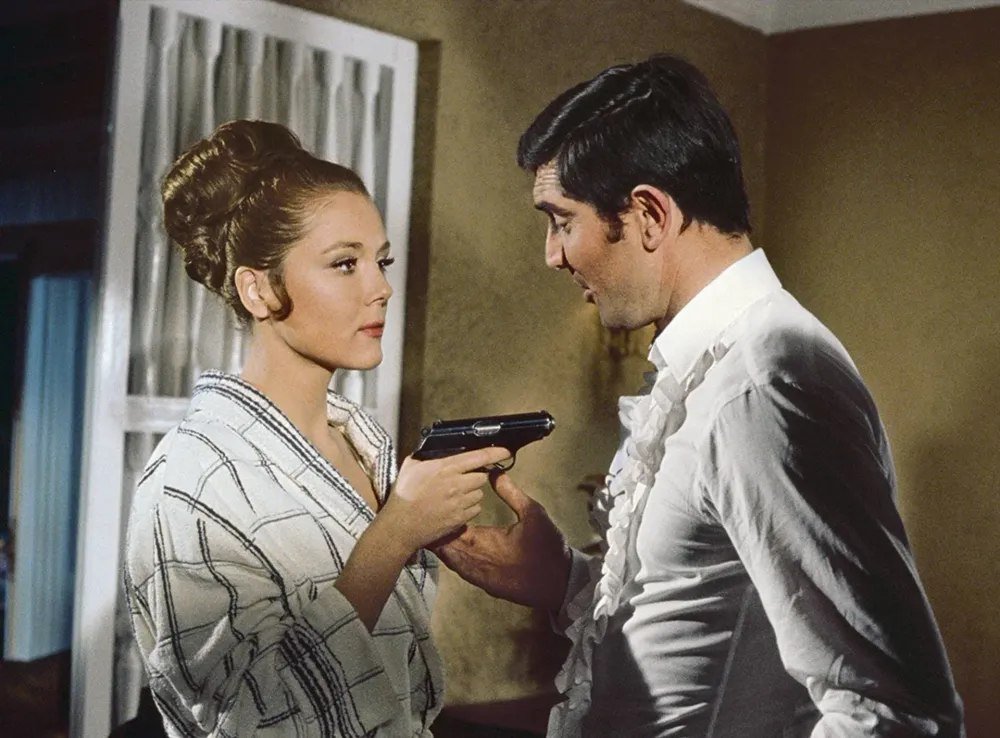
On Her Majesty’s Secret Service is the whole Lazenby era. It opened on 18 December 1969 in both the UK and the USA, with Peter Hunt directing and Saltzman and Broccoli producing. The release date was the same on both sides of the Atlantic, which makes it the easiest film in the series to place.
Watching it in sequence matters for a practical reason: the next film is the one that brings the first actor back. Skipping it removes the only single-film era and hides the actor change from Connery to Lazenby and back.
Film 7, Connery Returns: Diamonds Are Forever
Diamonds Are Forever arrived in 1971 with Connery back in the role and Guy Hamilton in the director’s chair. It opened in the USA on 17 December 1971 and in the UK on 30 December, and it is the one link between eras that the official film list supports. Because it follows the Lazenby film directly, it is the film to watch next whether or not you plan to see the rest of the Connery run.
This is also the last Connery entry in the 25. A seventh Connery film exists, but it sits outside the Eon series and is covered further down the page.
Films 8 to 14, Roger Moore: The Longest Run, Seven Films
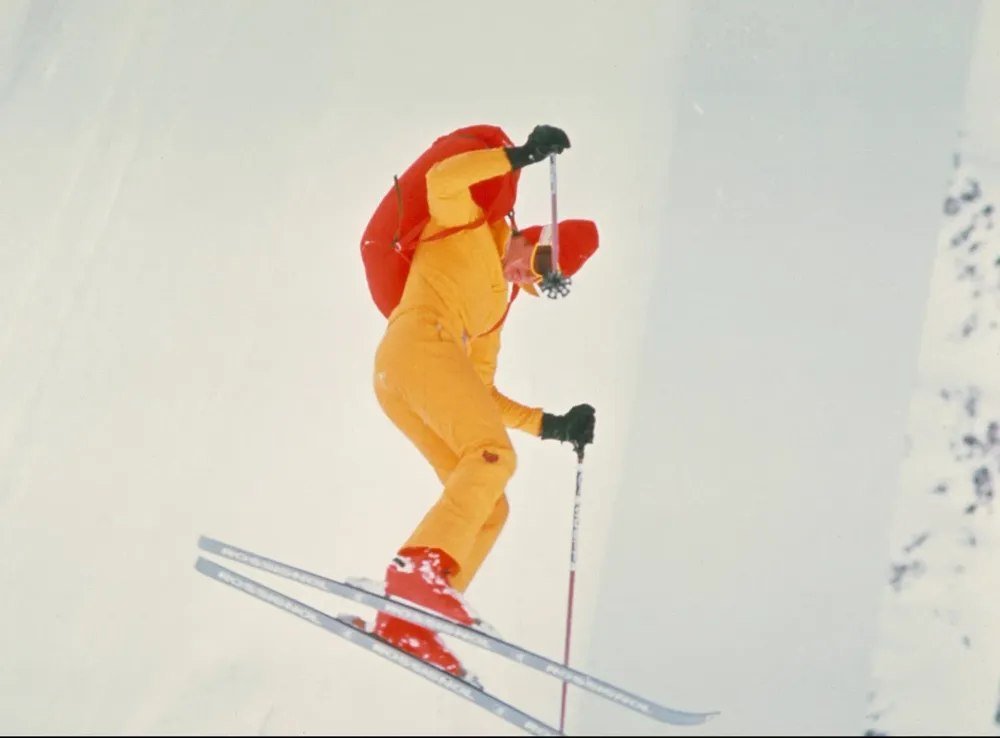
Moore holds the longest run in the series with seven films, from Live And Let Die in 1973 to A View To A Kill in 1985. Guy Hamilton directed the first two, Lewis Gilbert the next two with The Spy Who Loved Me and Moonraker, and John Glen the final three. The era is episodic, so you can sample it with The Spy Who Loved Me and stop there, or run all seven in the order shown.
A View To A Kill closes the era. Its world premiere was on 22 May 1985 at the Palace of Fine Arts in San Francisco, and it reached the UK a few weeks later. If a full Moore run is more than you want, the three directed by John Glen, films 12 to 14, make a compact block that finishes the era.
Films 15 and 16, Timothy Dalton: Two Films, One Director
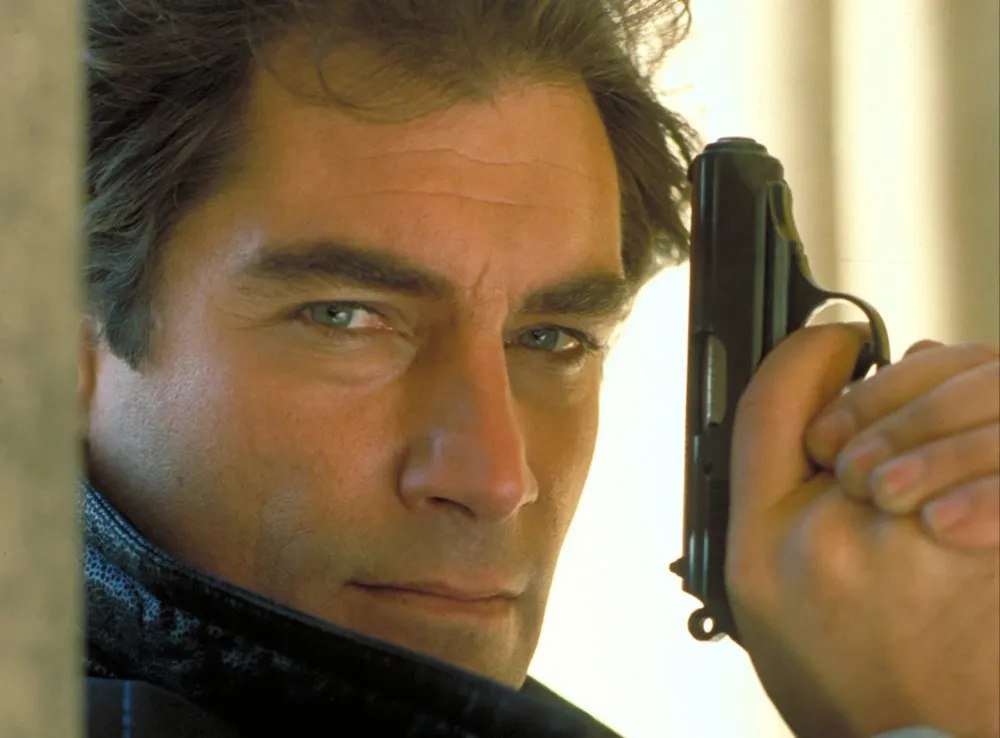
Dalton made The Living Daylights in 1987 and Licence To Kill in 1989, and John Glen directed both. Glen is the only director with five consecutive Bond films, running from For Your Eyes Only in 1981 to Licence To Kill in 1989. Watching Dalton directly after Moore therefore keeps the same director for stretches of the chart.
Two films make this the shortest era to complete after Lazenby. It is a good place to test how a new actor changes the tone before moving on, and the 1989 film is followed by the longest gap in the series, six years, before the next release.
Films 17 to 20, Pierce Brosnan: Four Films, Four Directors
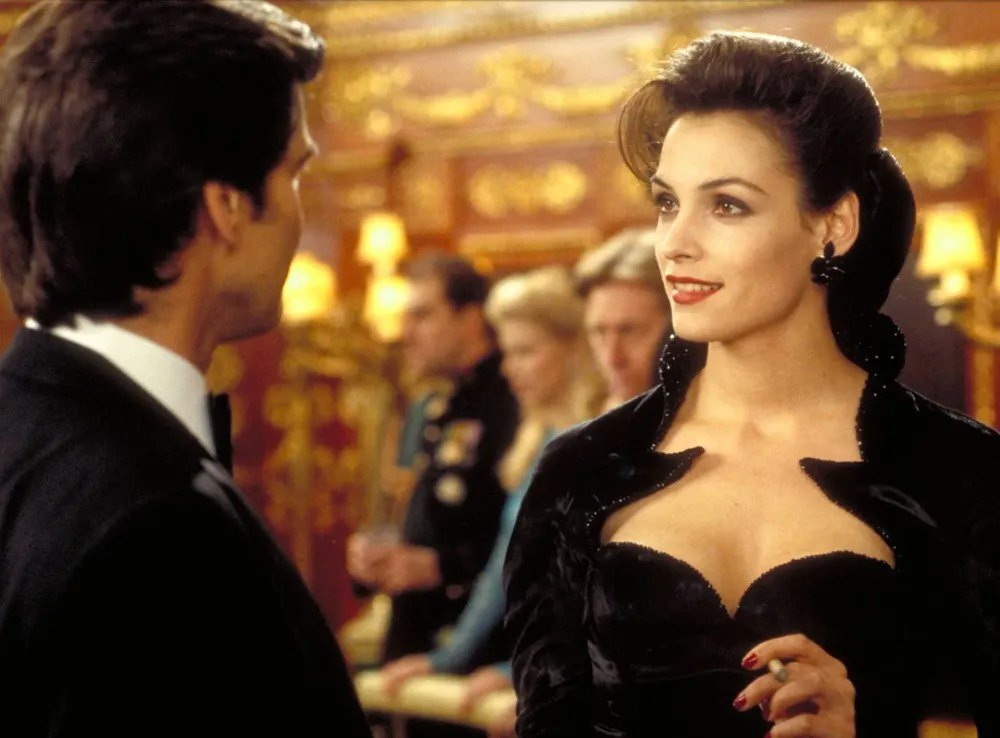
GoldenEye in 1995 starts the Brosnan era, directed by Martin Campbell and produced by Michael G. Wilson and Barbara Broccoli. It was the first Bond film to use CGI, with a gun barrel and title sequence by Daniel Kleinman, and the title is also the name of Ian Fleming’s Jamaican house. For a viewer who wants to join the series without watching 16 films first, it is the natural halfway start.
Roger Spottiswoode directed Tomorrow Never Dies in 1997, Michael Apted The World Is Not Enough in 1999 and Lee Tamahori Die Another Day in 2002. Each film is a separate adventure, and the release order is simply the order they came out. Die Another Day in 2002 is the last Brosnan entry, and Casino Royale follows four years later.
Films 21 to 25, Daniel Craig: The Only Era That Must Be Watched in Sequence
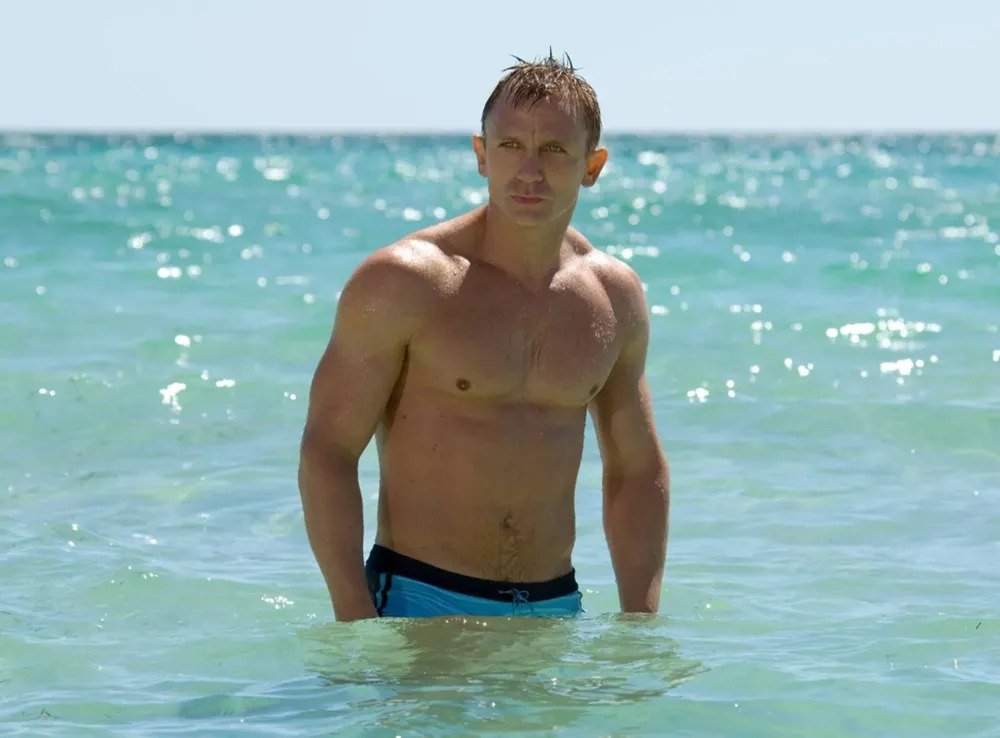
Craig made five films: Casino Royale in 2006, Quantum Of Solace in 2008, Skyfall in 2012, Spectre in 2015 and No Time To Die in 2021. 007.com calls him the sixth actor in the franchise, and Casino Royale premiered in the UK on 14 November 2006 at the Odeon Leicester Square. Martin Campbell directed it, 11 years after GoldenEye.
This is the one era with internal continuity. Quantum Of Solace starts 10 minutes after the end of Casino Royale, Spectre has Bond acting on orders from the previous M, and No Time To Die opens with Madeleine and has Bond visit Vesper Lynd’s tomb. Sam Mendes directed Skyfall and Spectre, and Cary Joji Fukunaga directed No Time To Die, the first Bond film shot with IMAX cameras.
Why Release Order Is the Right Order for a Bond Marathon
Most film series reward a particular viewing order, and a few need one. The Bond films mostly do not. Each era brings a new actor and a fresh start, and the only continuing story is in the Craig films, where release order and story order are the same thing.
That is why this page recommends the numbering in the chart and nothing cleverer. The official film list gives no in-universe timeline for the earlier eras, so any chronological reshuffle of the Connery, Moore, Dalton or Brosnan films would be invented. Watching 1 through 25 also lets you see how the series changed from decade to decade, from the six-year gap before GoldenEye to the six-year gap before No Time To Die.
If you only commit to part of the run, commit to whole eras. A Connery block of films 1 to 5, a Moore block of films 8 to 14 or the Craig block of films 21 to 25 each reads cleanly, and the only block where you should not skip is the last one.
Where Casino Royale (1967) and Never Say Never Again Fit
Two further films carry the Bond name and are not part of the official 25 listed on 007.com. If you want to see them, the table shows where each belongs by release year.
| Film | Where it falls in the chart | Credits |
|---|---|---|
| Casino Royale (1967) | Between film 5, You Only Live Twice, and film 6, On Her Majesty’s Secret Service | Credits several directors, among them Val Guest, Ken Hughes and John Huston |
| Never Say Never Again (1983) | After film 12, For Your Eyes Only, in the same year as film 13, Octopussy | Stars Sean Connery, directed by Irvin Kershner |
The 1967 Casino Royale and the 2006 Casino Royale are separate films. Only the 2006 version, with Daniel Craig, is film 21 in the chart. Because Never Say Never Again stars Connery as 007, casual talk of seven Connery films counts it, while the official count of six does not.
The Next Bond Film: Planned, Undated and Uncast
No Time To Die was Daniel Craig’s fifth and final film. Amazon MGM Studios stated on 14 May 2026 that the search for the next James Bond is underway. As of November 2026 the 26th film has no title, no release date and no announced lead actor.
TMDB lists an untitled 26th film with a planned status, with Denis Villeneuve as director and Steven Knight as writer, but no cast. Until a title is announced, film 25 is the end of your marathon, and a 26th row can be added to the chart when one exists.
How the Bond Films Are Counted, Ordered and Dated
The count of 25 covers the films from Dr. No to No Time To Die, and the order is the sequence in which they opened. The year shown for each film is the first year it opened anywhere, usually in the UK. From Russia With Love is a 1963 film even though it reached US cinemas in April 1964.
A film can open in the UK and the USA weeks or months apart, and a world premiere can fall days before public release. For that reason the chart gives years only, which is the steadiest way to place a film in the series. Actor assignments cover the official 25 films, so the Connery total is six.
How to Plan a Bond Marathon From This Chart
Count the films before you count the evenings. The complete run is 25 films, so a viewing of one film a night takes 25 nights, and the six eras give natural stopping points at films 5, 7, 14, 16, 20 and 25.
Choose by what you want from the series. For the original run, take films 1 to 5. For the biggest block by one actor, take films 8 to 14. For the continuing story, take films 21 to 25 in order. If you enjoy the spy-and-thriller side of Bond more than the franchise itself, the Keanu Reeves movies and the Tom Cruise movies are good companions.
Frequently Asked Questions
What order should I watch the James Bond movies in?
Watch them in release order, from Dr. No in 1962 to No Time To Die in 2021, which is the numbering in the chart. The Craig films, 21 to 25, are the only ones that form a continuing story, and release order is also their story order.
Which Bond movie should I watch first?
Dr. No, which opened in the UK on 6 October 1962 and in the USA on 8 May 1963. Sean Connery stars, and it is film 1 of 25.
Do I need to watch the Bond movies in order?
Mostly no. Only the five Craig films form a continuing story, and Quantum Of Solace starts 10 minutes after the end of Casino Royale. Each of the other eras can be sampled from any film.
Is there a Bond movie after No Time To Die?
A 26th film is planned but has no title, release date or announced lead actor. Amazon MGM Studios said on 14 May 2026 that the search for the next James Bond is underway.