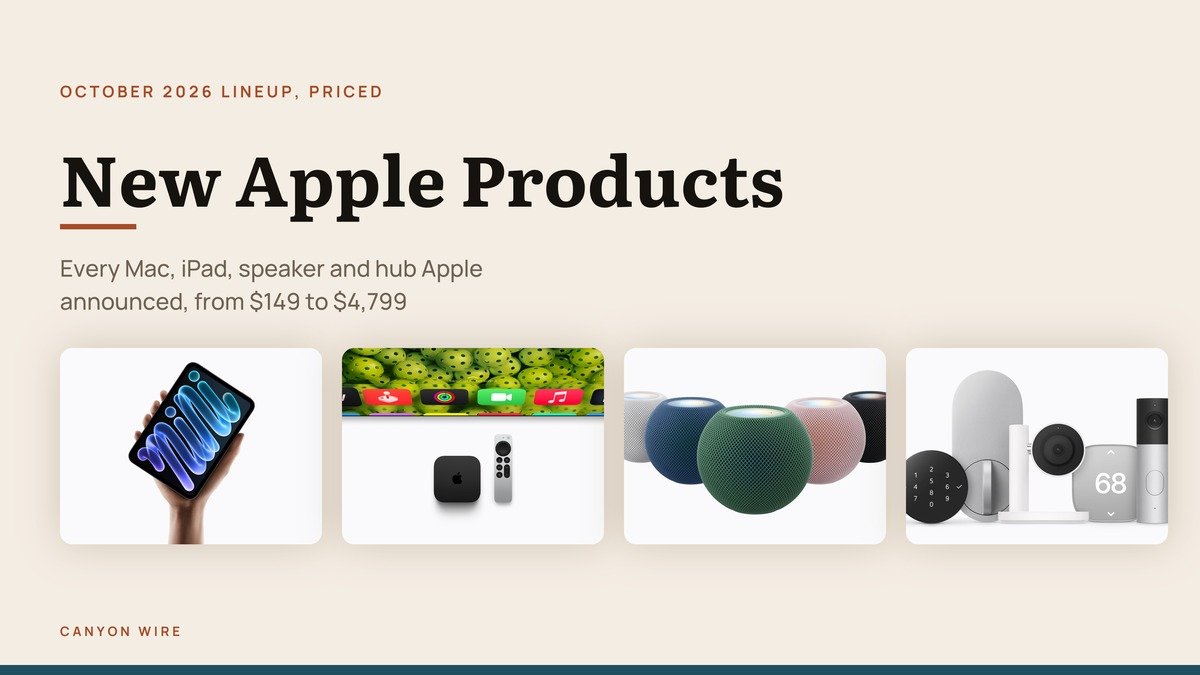
Apple has launched eight new devices and one large software update in sixteen days, across two separate announcements. The new Apple products start at $149 for a HomePod mini and run to $4,799 for a MacBook Pro you can touch, and they reach stores between October 30 and November 13.
Three of the changes are structural rather than routine. The Mac gets a touch display for the first time, the iMac skips a generation to land on M6, and the iPad mini drops its LCD for OLED. The rest is a home lineup that Apple now sells as one system: a hub, a speaker, a streaming box and a set of cameras and locks.
Every New Apple Product and What It Costs
All figures are US starting prices before education savings. Pre-orders are open for every device here except the Apple Home Collection accessories.
| # | Product | Starting price | Ships |
|---|---|---|---|
| 1 | MacBook Pro with PROLED XDR Display | $2,899 | November 6 |
| 2 | 14-inch MacBook Pro with M6 | $1,999 | November 6 |
| 3 | iMac with M6 | $1,499 | November 6 |
| 4 | iPad mini | $699 | November 6 |
| 5 | Apple HomeView | $299 | November 13 |
| 6 | Apple TV 4K | $299 | November 13 |
| 7 | HomePod mini 2 | $149 | October 30 |
| 8 | Apple Home Collection | $39.95 | December |
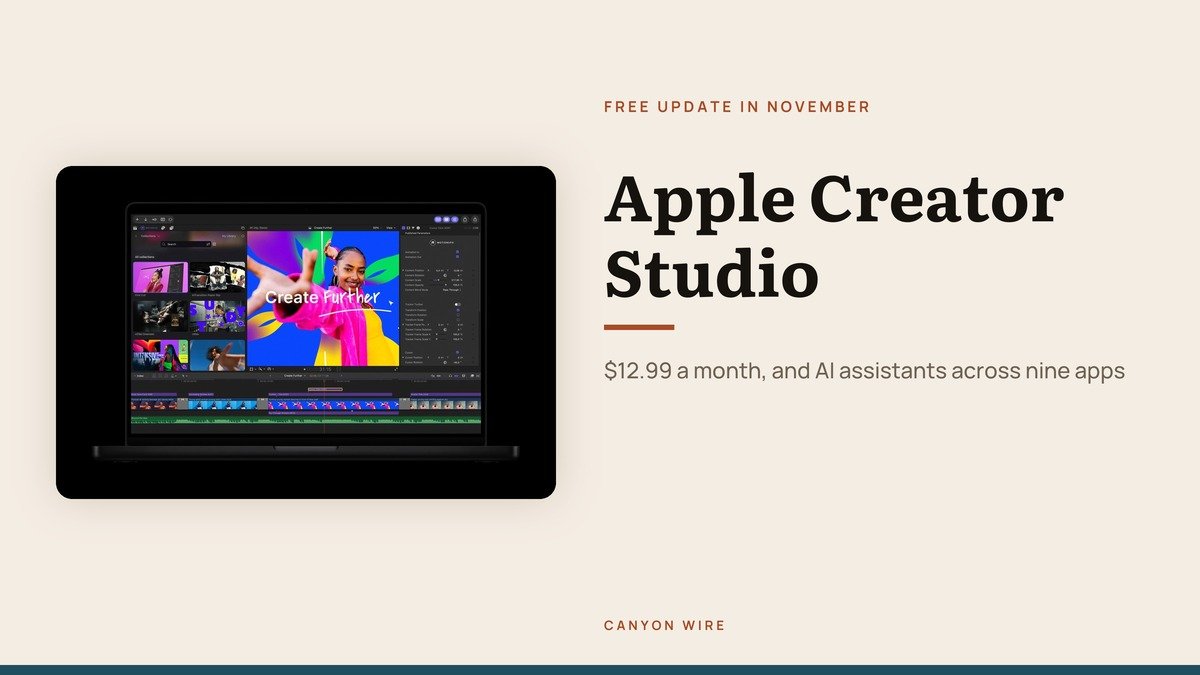
| 9 | Apple Creator Studio | $12.99 a month | November |
Each launch has its own breakdown with the full spec sheet, every price and the ship date.
- MacBook Pro with PROLED XDR Display
- 14-inch MacBook Pro with M6
- iMac with M6
- iPad mini
- Apple HomeView
- Apple TV 4K
- HomePod mini 2
- Apple Home Collection
- Apple Creator Studio
The Three New Macs
Apple split the Mac launch in two. One release covers the volume machines running the M6 chip. The other is a new flagship notebook that keeps the older M5 Pro and M5 Max silicon but changes the screen completely.
1. MacBook Pro with PROLED XDR Display: The First Mac You Can Touch
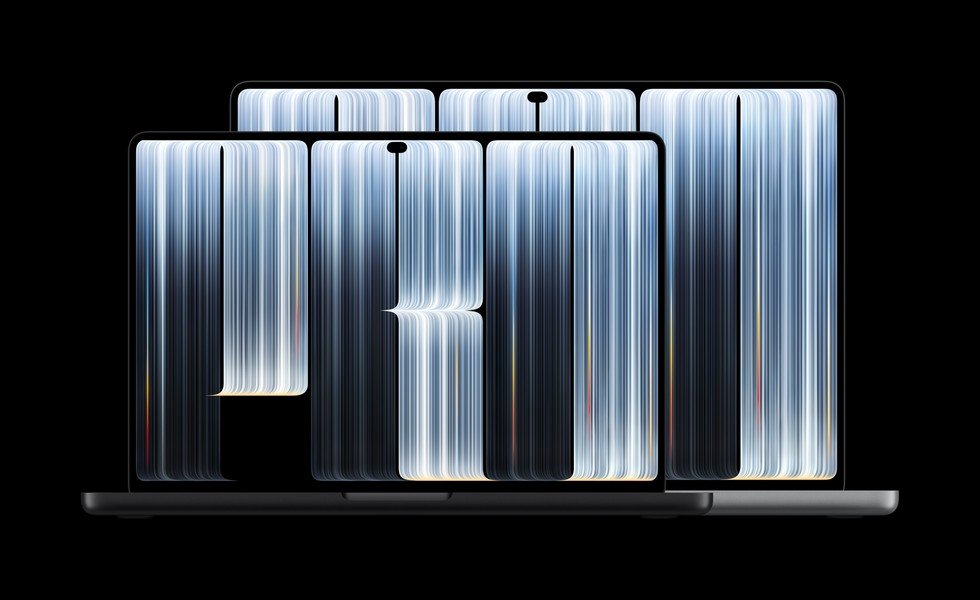
This is the headline machine. It comes in 14.2-inch and 16.3-inch sizes, and the display is a tandem OLED panel rated at 2,000 nits peak for both HDR and SDR content, with a 10,000,000:1 contrast ratio.
The touch sensor is built into the panel rather than bonded on top of it, which is how Apple kept the lid thin. ProMotion now swings from 10Hz up to 120Hz, and the notch is replaced by a Dynamic Island carried over from the iPhone.
Silicon is M5 Pro or M5 Max, with up to 128GB of unified memory and 16TB of storage. The 14-inch model weighs 3 pounds and the 16-inch 4 pounds, each about half a pound lighter than the machine it replaces. Ports run to three Thunderbolt 5 connectors, HDMI, SDXC, MagSafe and a headphone jack.
Pricing climbs steeply. The 14-inch M5 Pro starts at $2,899 and the 16-inch at $3,399. Move to M5 Max and those become $4,499 and $4,799.
2. 14-inch MacBook Pro with M6: The $1,999 Entry Point
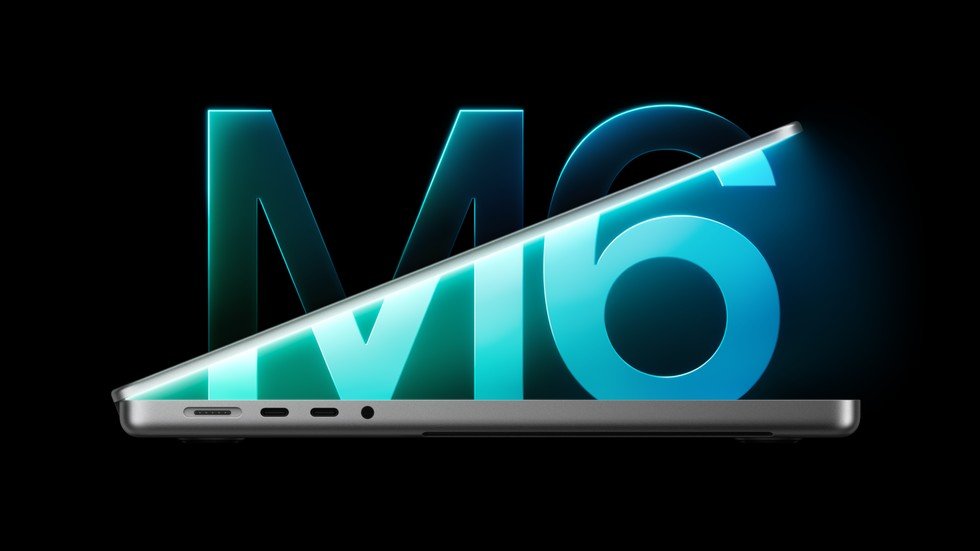
The cheapest way into a Pro notebook keeps the Liquid Retina XDR screen and gains the M6: a 12-core CPU, a 12-core GPU with Neural Accelerators in every core, a dual 16-core Neural Engine and 170GB/s of memory bandwidth. Apple quotes up to 30 percent faster graphics and 25 percent faster on-device AI than the M5.
Memory starts at 16GB and tops out at 32GB, which is the real ceiling on this model. Battery life is rated at 24 hours, charging reaches 50 percent in half an hour on a 96W adapter, and connectivity moves to Wi-Fi 7 and Bluetooth 6.
It costs $1,999, or $1,899 with education savings, in space black and silver. If you are weighing it against a Windows machine at the same money, our guide to the best laptops compares the current field on screen and memory.
3. iMac with M6: Seven Colours and a Two-Tier Split
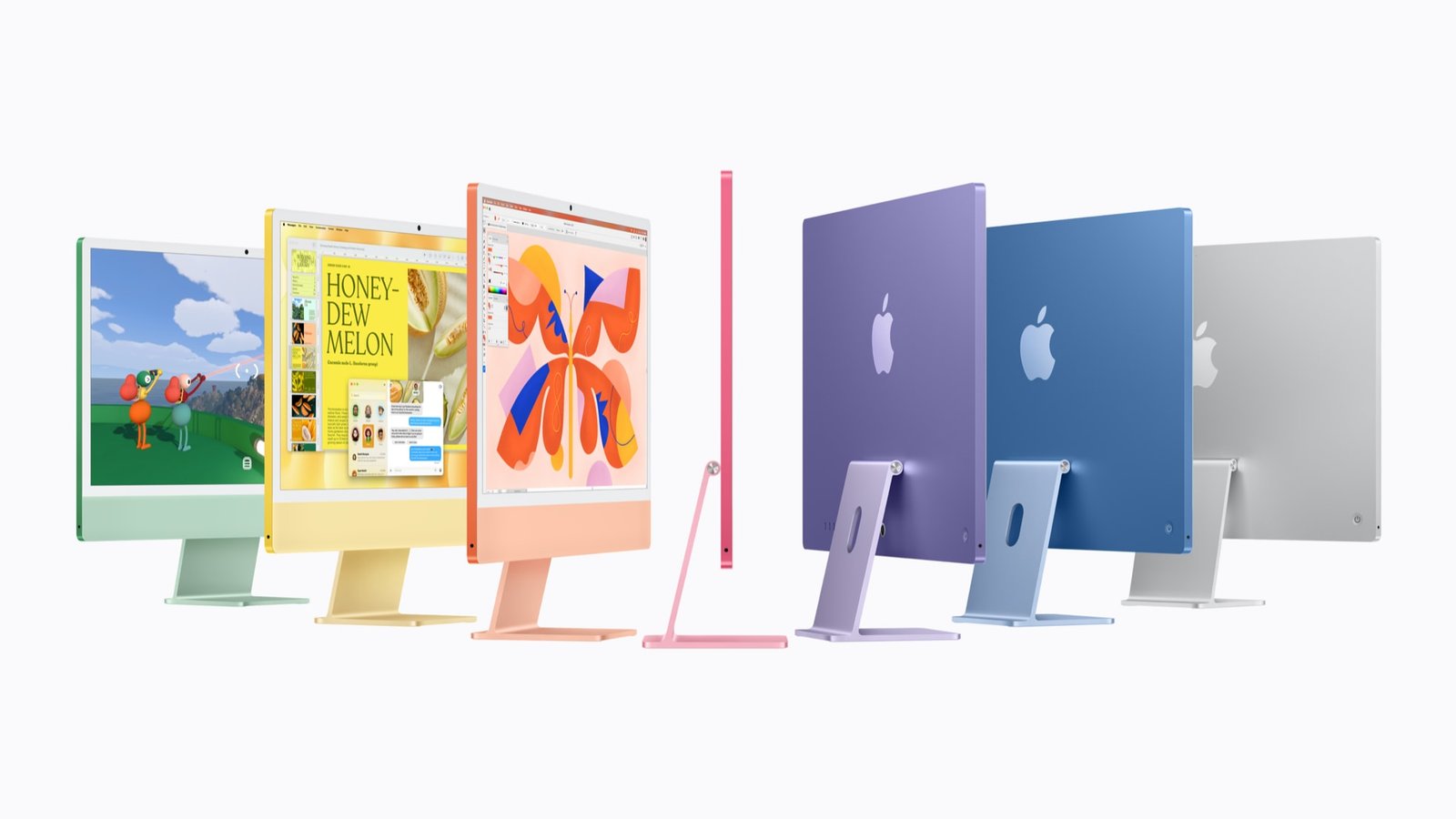
The all-in-one jumps straight from M4 to M6 and splits into two configurations. The $1,499 machine has a 10-core CPU and 10-core GPU. The $1,699 machine buys 12 cores of each, four Thunderbolt 4 ports, 2.5 Gigabit Ethernet, Touch ID as standard and the nano-texture glass option.
The 24-inch 4.5K display is unchanged at 500 nits with P3 colour, and the camera is a 12MP Center Stage unit with Desk View. Apple quotes up to five times the on-device AI performance of the M4 iMac and double the graphics throughput.
Colours run to blue, green, pink, yellow, purple, orange and silver, with keyboard and mouse matched to the body. An older iMac is often worth keeping a while longer, and our guide to checking a Mac for malware is the place to start before you decide the machine is finished.
iPad mini Finally Moves to OLED
The small iPad had been running an LCD since 2021 while every other screen Apple sells moved on. That ends here, and the chip inside it is newer than the one in the MacBook Pro sitting above it on price.
4. iPad mini: A20 Pro, 8.5 Inches and a Landscape Camera
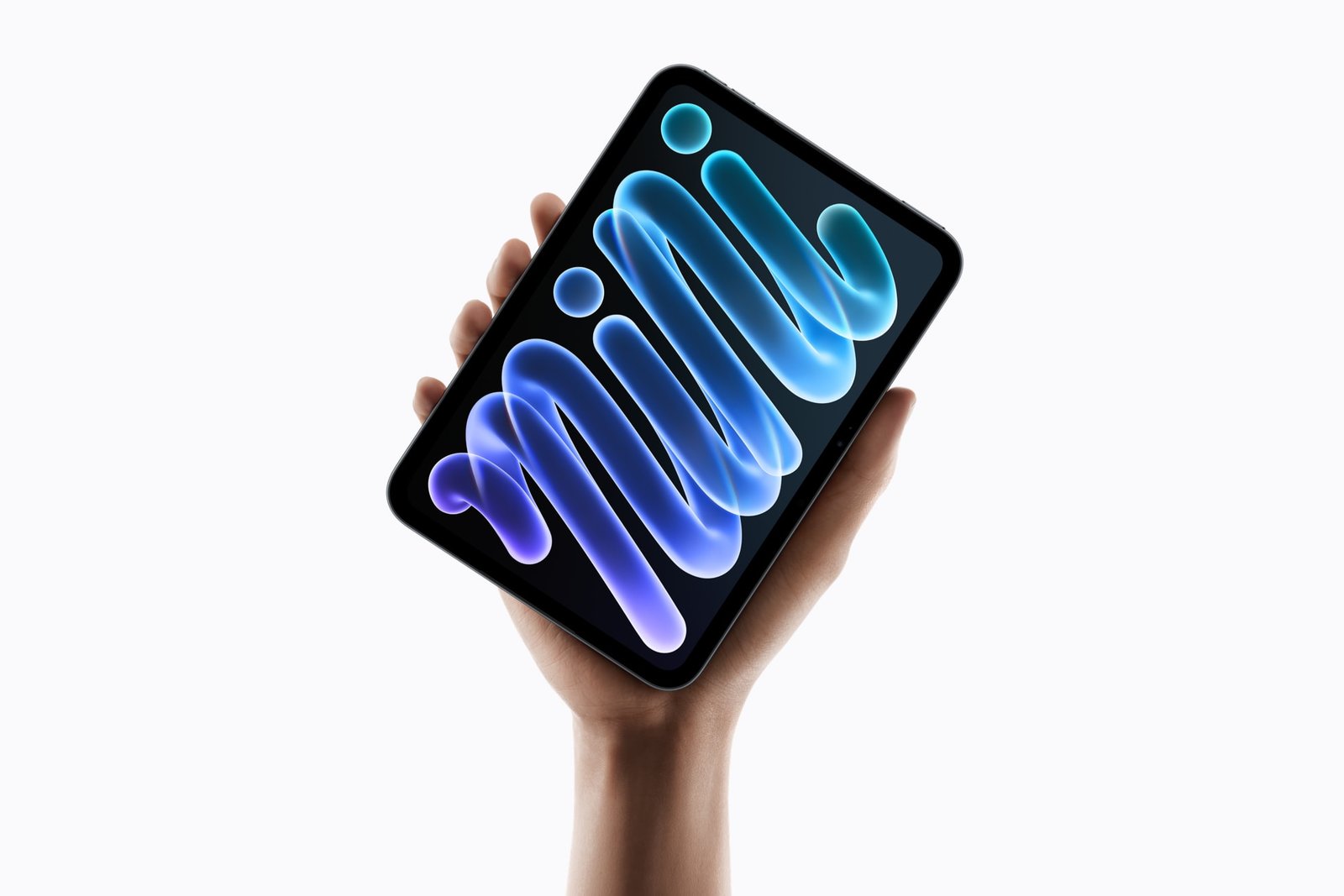
The small iPad grows from 8.3 to 8.5 inches and switches to a Super Retina XDR OLED panel: 1,200 nits peak, 600 nits full screen, and a 2,000,000:1 contrast ratio. Nano-texture glass is a paid option for the first time on this size.
Inside is the A20 Pro, built on a 2-nanometer process, with up to a 6-core CPU and a 7-core GPU carrying Neural Accelerators. The 512GB configuration adds a dual 16-core Neural Engine. Apple now designs its own chips across every product in this lineup.
The 12MP Center Stage front camera moves to the landscape edge, which matters if you hold the tablet sideways on calls. The rear camera is a 12MP Wide shooting 4K at 60 fps. Apple Pencil (USB-C) and Apple Pencil Pro are both supported.
Storage runs 128GB, 256GB and 512GB. Wi-Fi models start at $699 and cellular at $849, in midnight and starlight.
The New Apple Home Products
Four of the eight launches are home devices, and they are designed to lean on each other. Siri AI is the thread running through all of them, which is also why HomeView is not sold in the European Union.
5. Apple HomeView: A 7-inch Hub That Recognises Six Faces
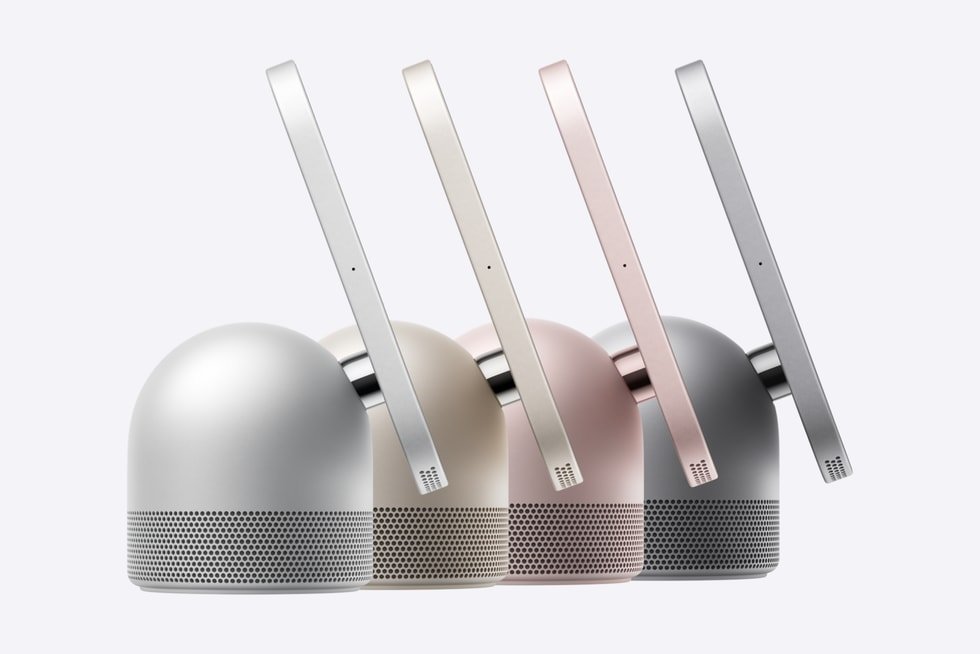
HomeView is a new category for Apple: a 7-inch Liquid Retina screen in an aluminium body, driven by an A18 chip, that handles entertainment, FaceTime, camera feeds and smart home control. It recognises up to six people by face and changes what it shows accordingly.
Audio is better than the size suggests, with two full-range drivers in the display plus a down-firing woofer and two force-cancelling passive radiators in the base. A wall-mounted version drops the woofer and comes in two colours instead of four.
Both versions cost $299. Power mounts are sold separately from $59.95, rising to $129.95 for the Power over Ethernet version arriving in early 2027. It is not sold in the European Union because Siri AI has not shipped there.
6. Apple TV 4K: A19 and Hands-free Siri
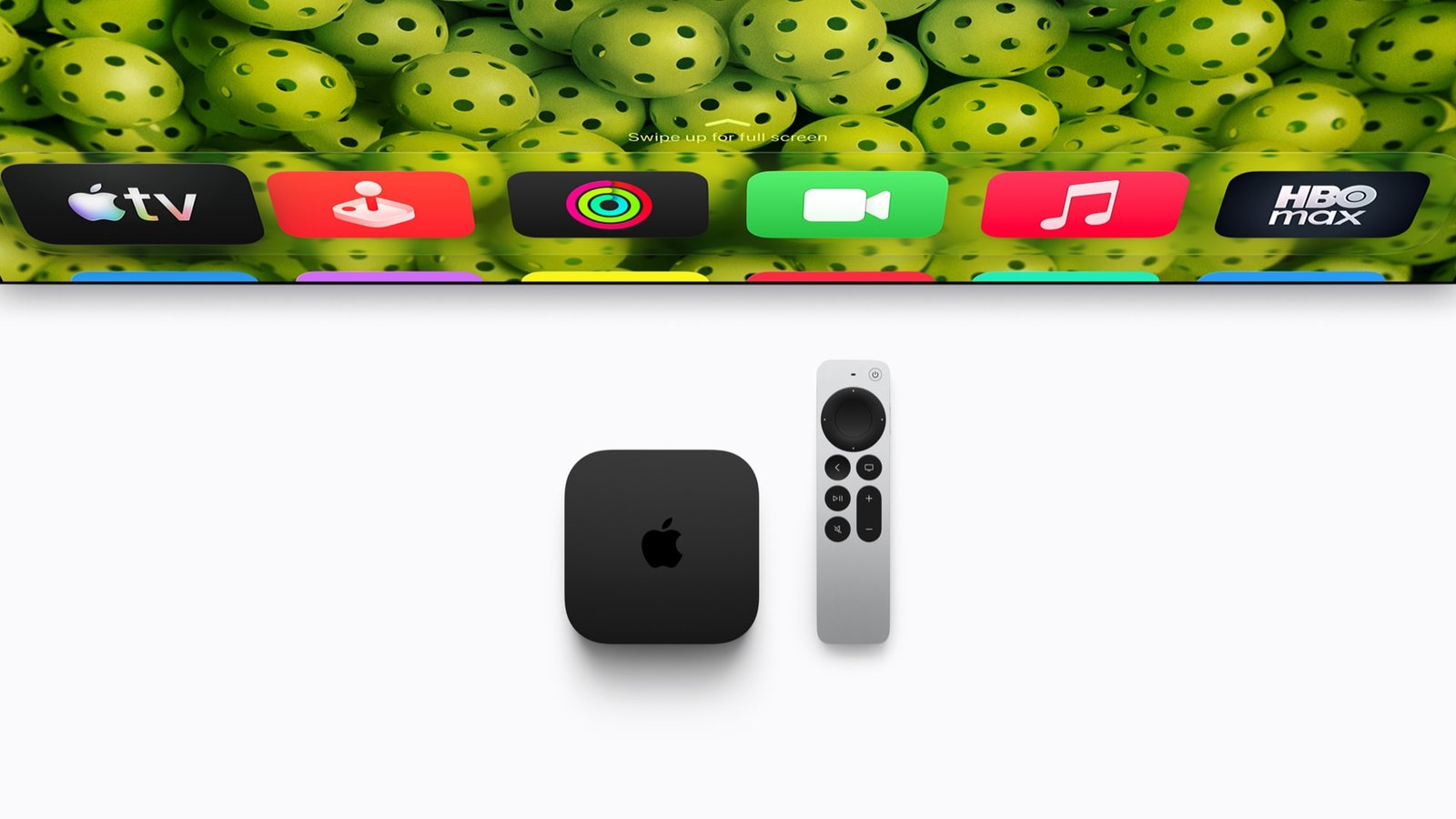
The streaming box moves to the A19 chip, which Apple rates at up to 50 percent faster on CPU and twice as fast on GPU, and adds a dedicated AV1 decoder. Three far-field microphones mean you can talk to it without picking up the remote.
Siri on screen is now full-screen and conversational, able to take follow-up questions during playback and pull personal context from a paired iPhone. The feature runs in beta on tvOS 27.2 and also reaches Apple TV 4K models from the second generation onward. The spoken commands have not changed, so our guide to Siri commands still applies to the new box.
The Siri Remote looks the same but gains Find My with Precision Finding and can be made to play a sound. Add four HomePod speakers in matching front and rear pairs and the box runs four-channel surround with automatic calibration. It costs $299.
7. HomePod mini 2: S10, Sound Glow and Five Colours
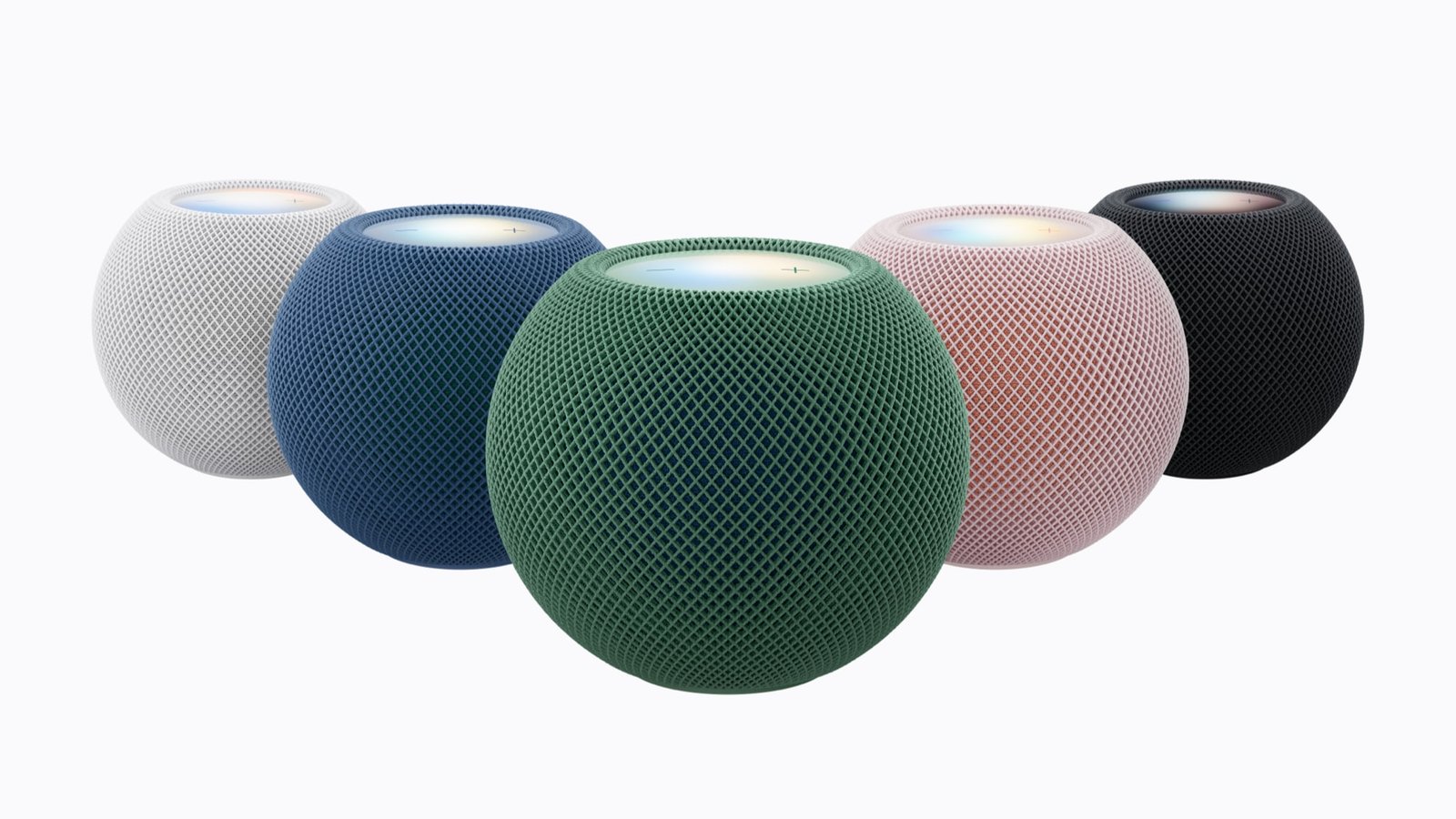
The small speaker gets the S10 chip and computational audio that reads the music in real time and adjusts dynamic range and loudness as it plays. The top surface now lights up and pulses with the bass and treble, and can take its colour from the album artwork.
It works alone, as a stereo pair, as part of a multiroom group, or as a rear channel for the new Apple TV. It can also act as the default speaker for a Mac on Wi-Fi 6E or later, and it listens for smoke and carbon monoxide alarms.
Siri AI is not there at launch and arrives in a later update. The speaker costs $149 in pink, green, blue, white and midnight, and it ships first, on October 30.
8. Apple Home Collection: Cameras, a Lock and Two Thermostats
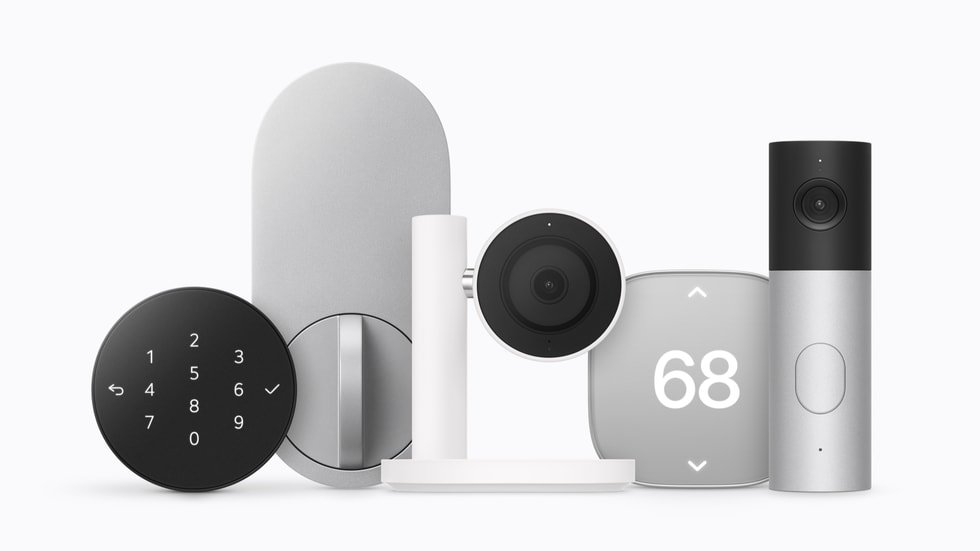
Apple is not building these itself. The Home Collection is a 12-piece accessory line made with LG Electronics and Schneider Electric, sold through Apple and set up in the Home app. ADT will install HomeView for an extra charge.
- LG Floodlight Cam: $399.95
- LG Smart Deadbolt Lock: $349.95
- LG Outdoor Cam Plug-In: $299.95
- LG Video Doorbell Wired: $249.95
- LG Indoor Cam Plug-In: $199.95
- LG Smart Thermostat and Schneider Home Smart Thermostat: $199.95 each
- Temperature and room sensors: $39.95 each
Most of the line arrives in December, with some accessories held back to early 2027. Every piece is set up and controlled from the Home app, and Apple keeps the current feature list on the Home app product page.
Creator Studio Adds AI Assistants to Final Cut, Logic and Keynote
The only software launch of the month is also the one most existing Mac owners will actually use, because it costs nothing if you already subscribe.
9. Apple Creator Studio: $12.99 a Month and a Free November Update
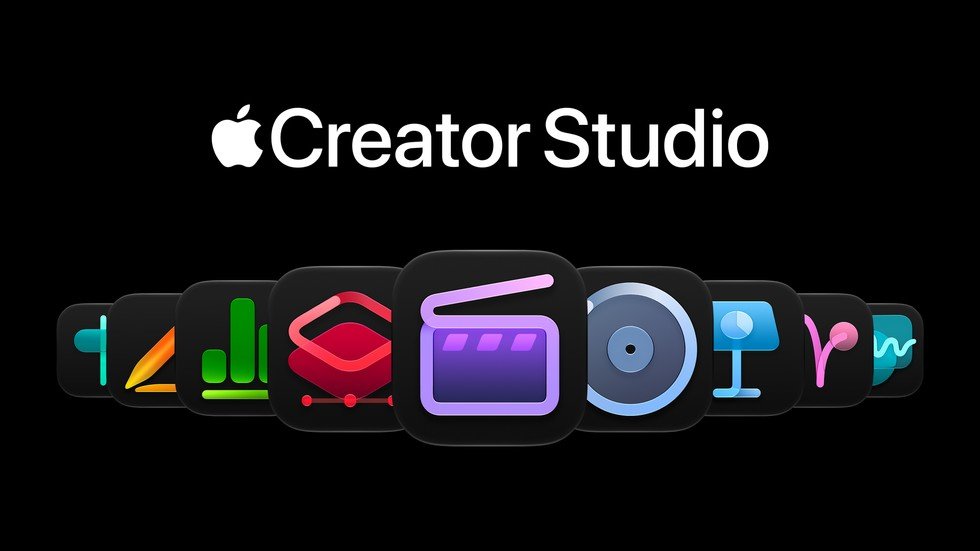
The subscription that bundles Apple creative apps gets its largest update since launch. Final Cut Pro picks up MotionVFX effects and templates, Content Hub stock video, round-trip editing with Pixelmator Pro and 23 more transcription languages.
Pixelmator Pro gains Generate Fill, which rewrites a selected area of an image from a text description. Logic Pro is redesigned and adds a beta AI assistant on the Mac plus drum separation in Stem Splitter. Keynote, Pages and Numbers get beta assistants that read document context, and support for external AI agents.
The subscription is $12.99 a month or $129 a year, dropping to $2.99 a month for students and educators. The update is free for existing subscribers and lands on the App Store in November. Several assistants are beta and US English only.
When Each of the New Apple Products Ships
Pre-orders opened as each product was announced. These are the in-store dates.
- October 30: HomePod mini 2
- November 6: MacBook Pro with PROLED XDR Display, 14-inch MacBook Pro with M6, iMac with M6 and iPad mini
- November 13: Apple HomeView and Apple TV 4K
- November: the Creator Studio update on the App Store
- December: most of the Apple Home Collection, with some accessories in early 2027
Which of the New Apple Products Is Worth Buying
The spread here is unusually wide, from a $149 speaker to a $4,799 notebook, so the answer depends more on what you already own than on which machine is fastest.
- Coming from an Intel iMac: the $1,499 M6 iMac is the clearest upgrade of the nine. The 12-core model is worth the extra $200 mainly for Ethernet and the two extra Thunderbolt ports.
- Coming from an M3 or M4 MacBook Pro: wait. A 30 percent graphics gain over M5 is not a reason to replace a two-year-old machine.
- Buying a Mac for colour work: the PROLED screen is the only real reason to pay $2,899, and it is a genuine one. Touch is a secondary benefit on macOS today.
- Replacing an older iPad mini: OLED and the landscape camera are both noticeable daily. The 128GB model at $699 is enough for most people.
- Starting a smart home: begin with the $149 HomePod mini 2 rather than the $299 hub, and add HomeView once the Home Collection accessories ship.
One practical warning: Siri AI is in beta across almost everything launched here, and HomeView is not sold in the European Union at all. If those features are the reason you are buying, check availability in your country before you order.
Frequently Asked Questions
Which new Apple product is the cheapest?
HomePod mini 2 at $149. It is also the first to arrive, on October 30, while everything else ships in November or later. The Apple Home Collection has cheaper individual pieces, such as $39.95 sensors, but those are accessories rather than standalone devices.
Does the new MacBook Pro have a touchscreen?
Yes. The MacBook Pro with PROLED XDR Display is the first Mac with a touch screen, and the sensor is built into the display panel itself. It starts at $2,899 for the 14-inch M5 Pro model. The cheaper $1,999 MacBook Pro with M6 does not have touch.
Is the M6 iMac worth it over the M4 model?
If you are replacing an M4 iMac, no. If you are on an Intel or M1 machine, yes: Apple quotes five times the on-device AI performance and double the graphics speed of the M4, and the jump from Intel is far larger again.
Can you buy Apple HomeView in the European Union?
No. HomeView is not sold in the EU because Siri AI has not shipped there. It is available in Australia, Canada, India, New Zealand, Singapore, South Africa, the UK and the US.