Birth flowers assign one bloom to each month of the year, the same way birthstones assign a gem. January is the carnation, June is the rose, November is the chrysanthemum, and eleven of the twelve months carry a second flower alongside the first. Each has a meaning attached, most of them fixed in print during the nineteenth century.
All twelve are photographed below with both flowers and the meaning for every month, followed by why the second flower exists, which months share a botanical family, and how to choose between the pair when the flower is going to be a gift.
All Twelve Birth Flowers
| Month | Flower | Second flower | Meaning |
|---|---|---|---|
| January | Carnation | Snowdrop | Love, fascination, hope |
| February | Violet | Primrose | Modesty, loyalty, youthfulness |
| March | Daffodil | Jonquil | New beginnings, rebirth, prosperity |
| April | Daisy | Sweet pea | Innocence, purity, gratitude |
| May | Lily of the valley | Hawthorn | Happiness, sweetness, hope |
| June | Rose | Honeysuckle | Love, passion, affection |
| July | Larkspur | Water lily | Positivity, lightness, purity |
| August | Gladiolus | Poppy | Strength, remembrance, peace |
| September | Aster | Morning glory | Patience, love, affection |
| October | Marigold | Cosmos | Creativity, passion, joy |
| November | Chrysanthemum | None | Friendship, loyalty, honesty |
| December | Narcissus | Holly | Rebirth, hope, protection |
Reading down the table, the pattern is seasonal rather than arbitrary. Each flower blooms in or near its month in a temperate northern climate, which is why the snowdrop sits in January and the aster in September. November is the only month with one flower and no alternative.
January to June
January: Carnation
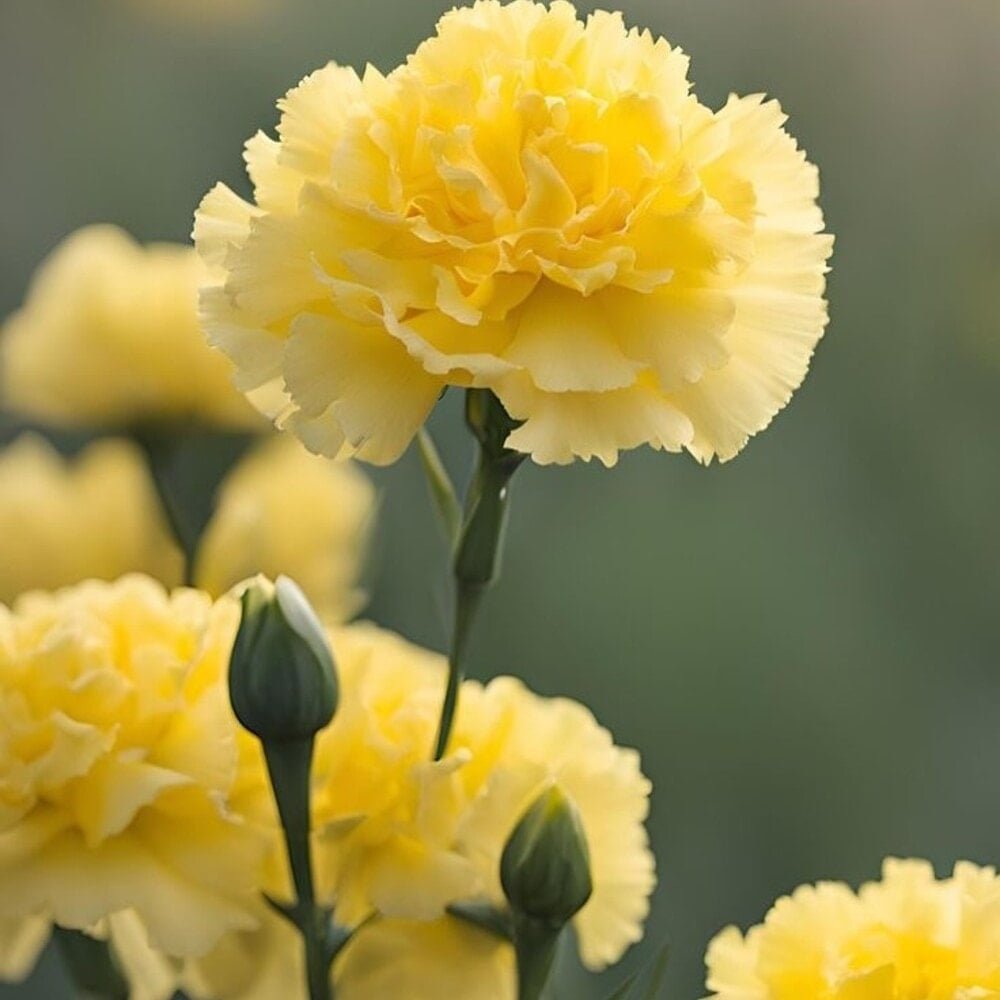
A Dianthus, and one of the few flowers reliably available fresh in midwinter, which is most of the reason it holds the month. Love and fascination. The snowdrop takes second place for pushing through frozen ground.
February: Violet
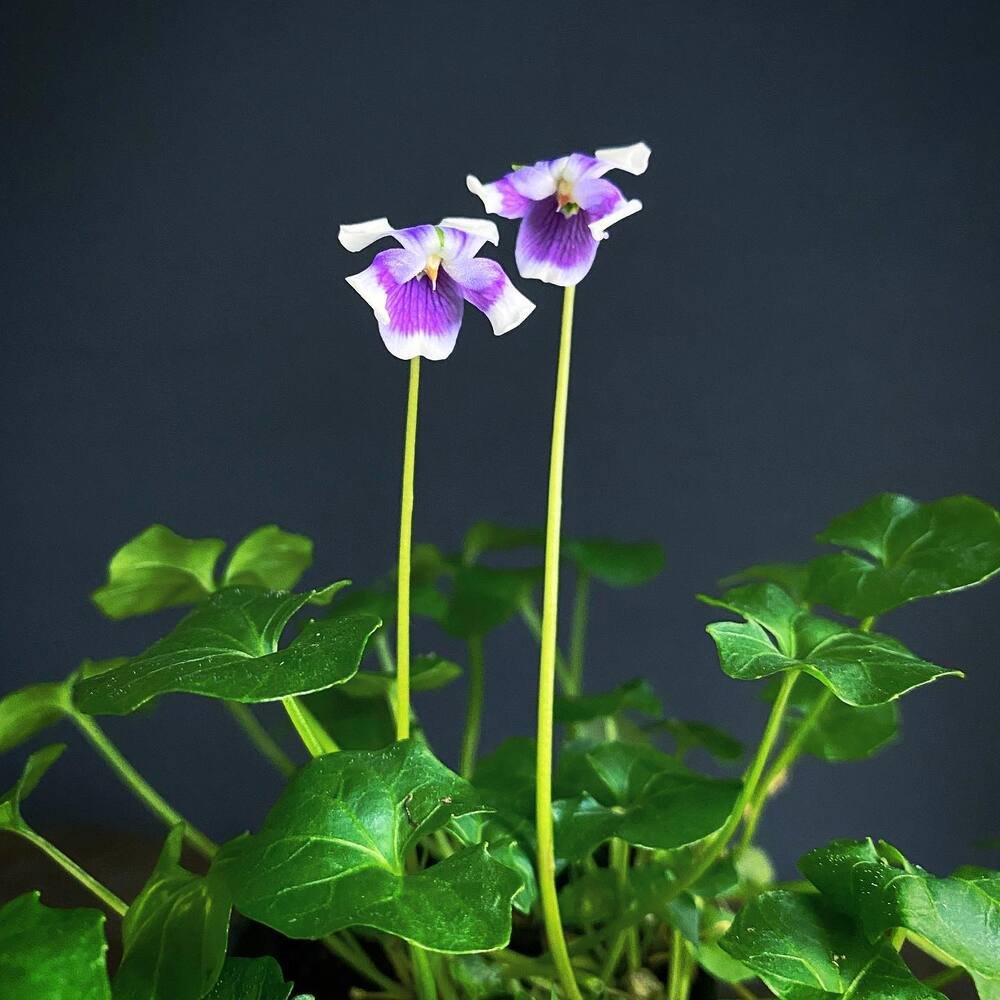
A low, early Viola that grows close to the ground and is easy to walk past. Modesty and loyalty follow from exactly that. Primrose is the second February flower.
March: Daffodil
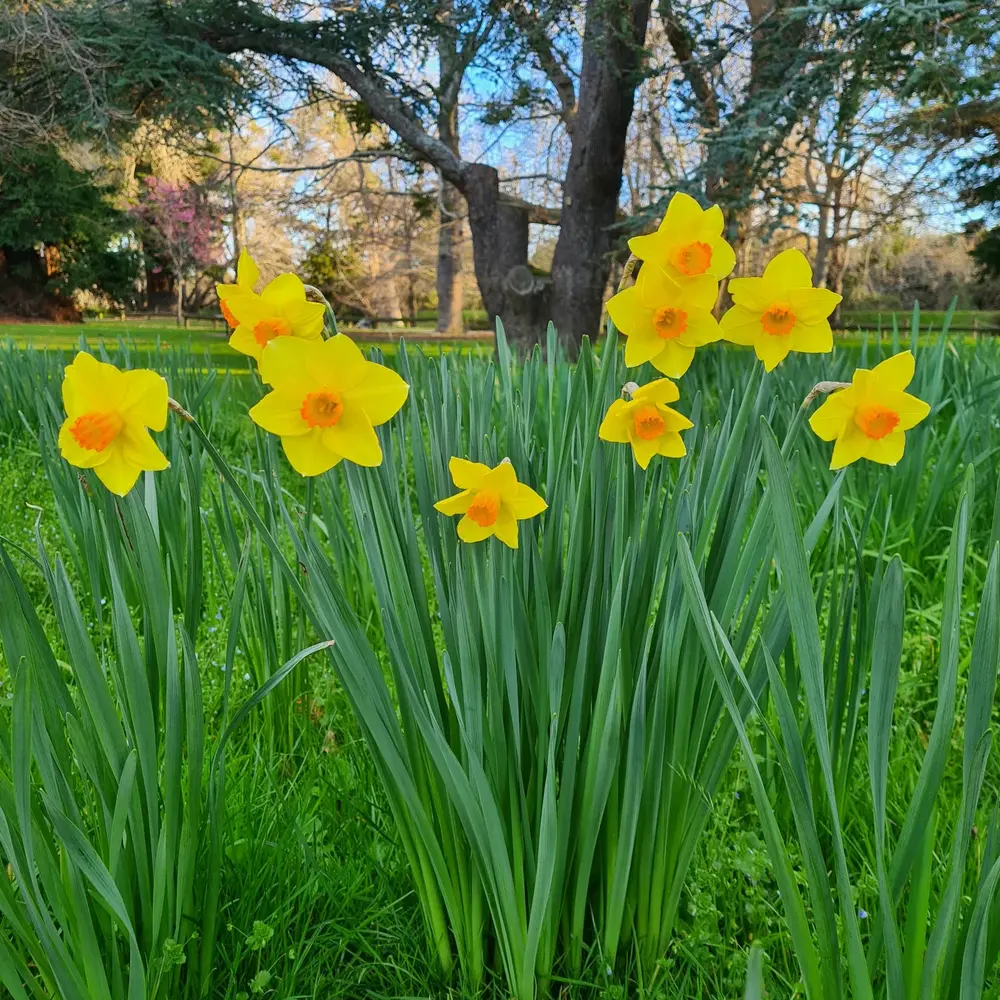
The clearest signal in the calendar that winter has ended, so new beginnings and rebirth attach to it directly. The jonquil named alongside it is a type of daffodil rather than a separate flower.
April: Daisy
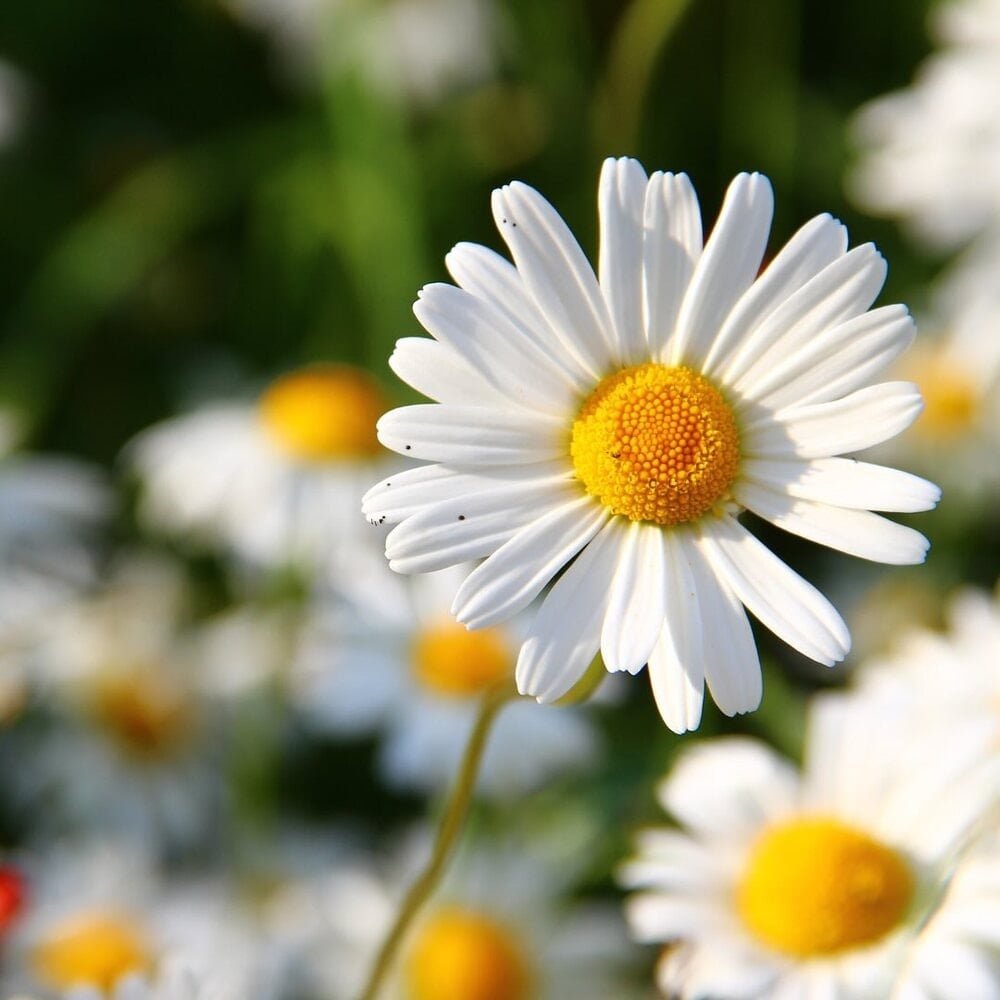
A Bellis, the first flower most children learn to pick and chain. Innocence and purity, with sweet pea second for gratitude.
May: Lily of the Valley
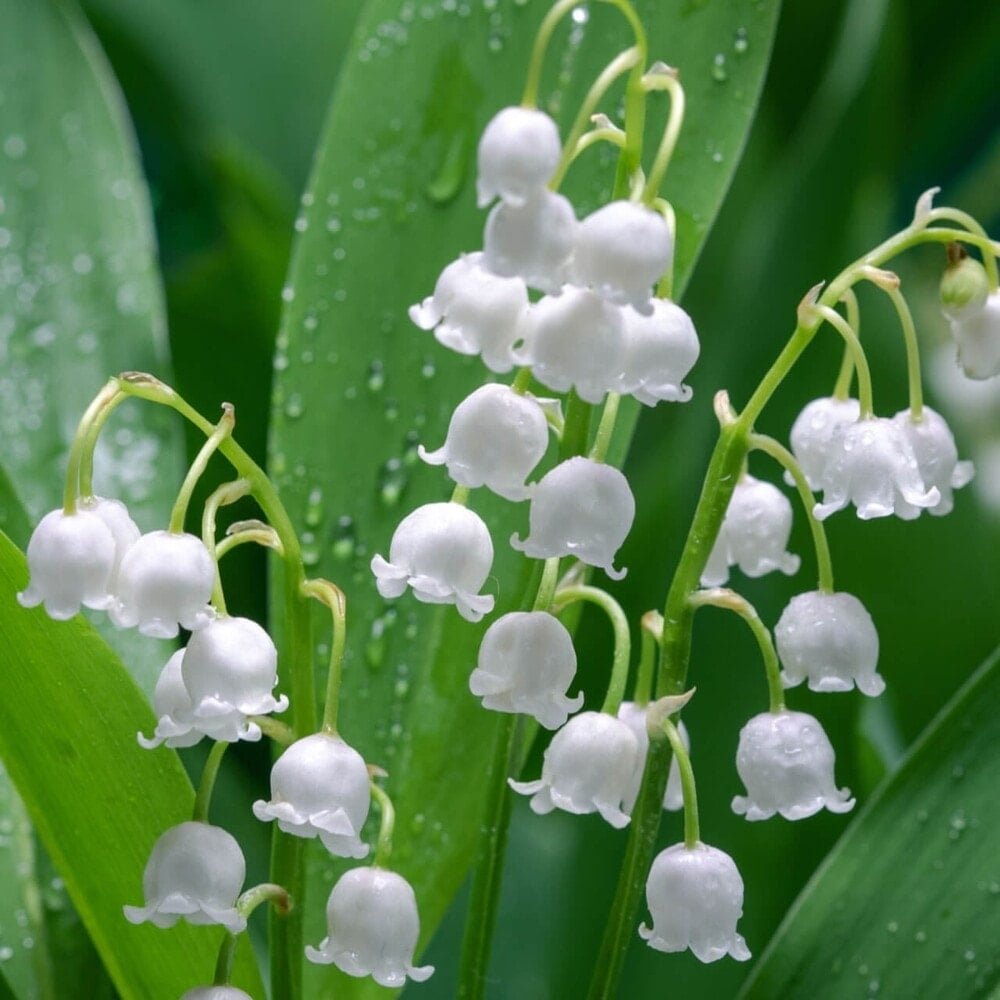
Strongly scented, short-lived once cut, and the hardest of the twelve to buy, which makes May the most expensive month on this list. Happiness and sweetness. Hawthorn, its partner, was known as Marys Flower of May.
June: Rose
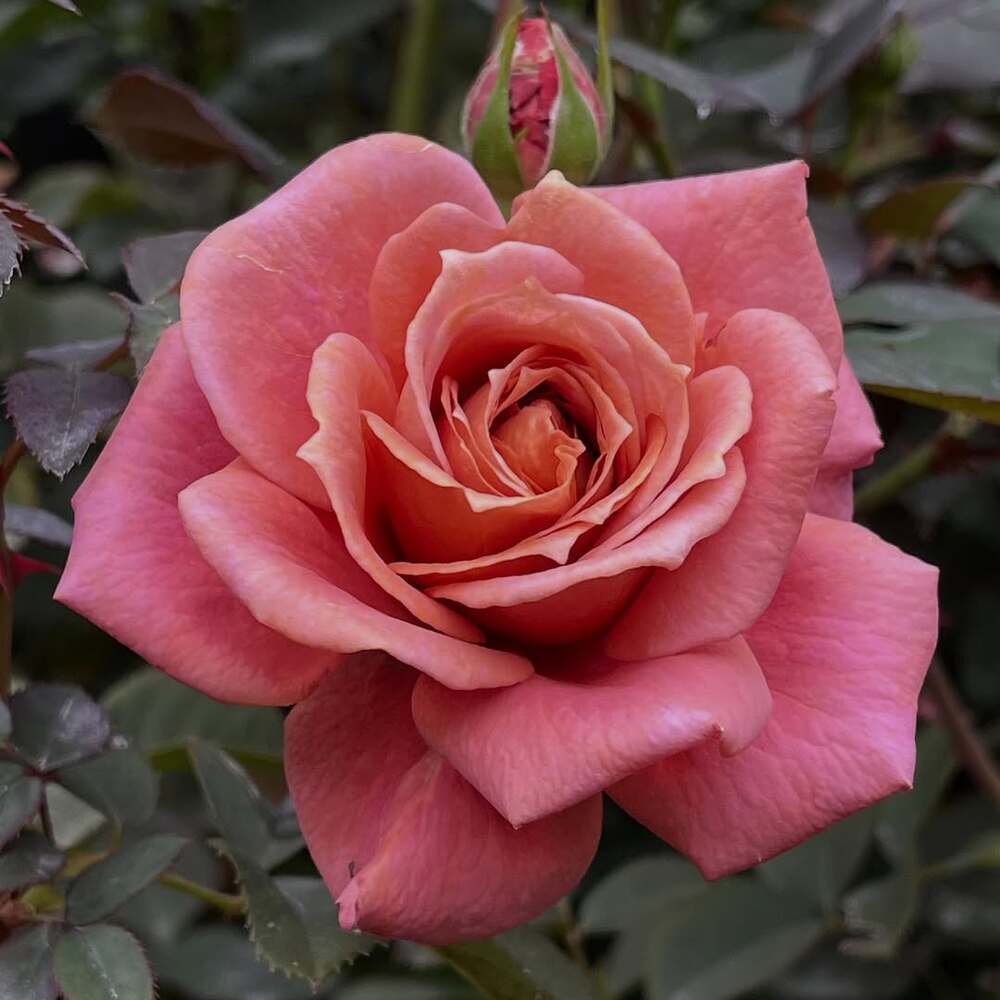
The one nobody argues about. Love, passion and affection, with honeysuckle second. Rose meanings divide again by colour, which is a whole tradition of its own.
July to December
July: Larkspur
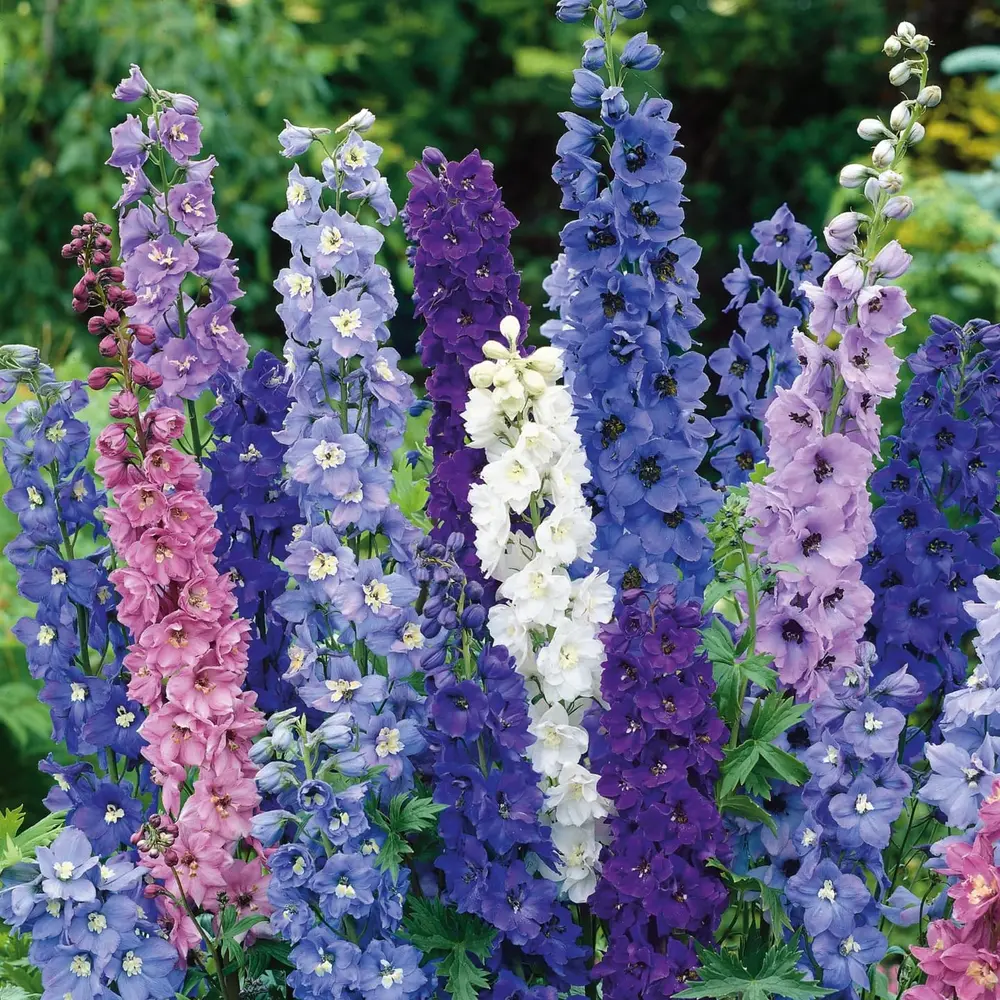
A tall spike carrying positivity and lightness, and one of the easiest of the twelve to raise from seed. Water lily is the second July flower, for purity.
August: Gladiolus
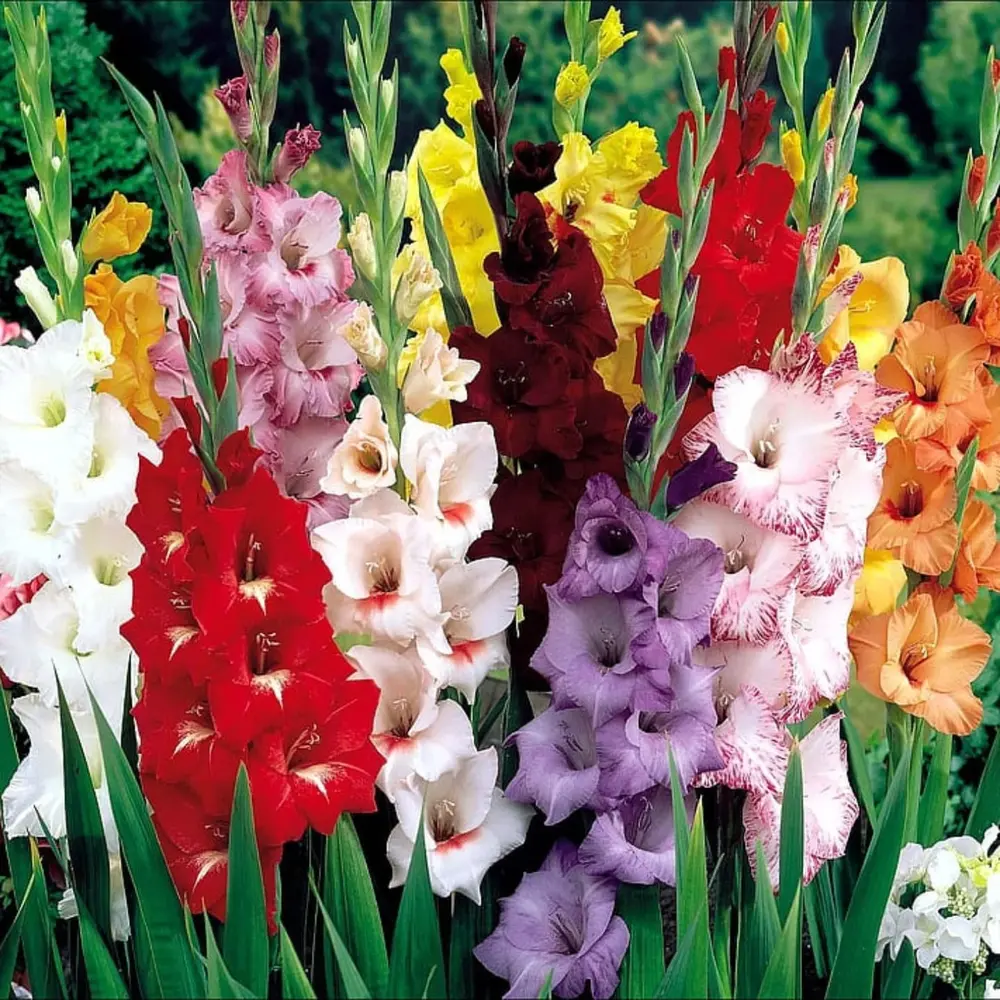
Named from the Latin for sword after the shape of its leaves, and read as strength. The poppy beside it carries remembrance.
September: Aster
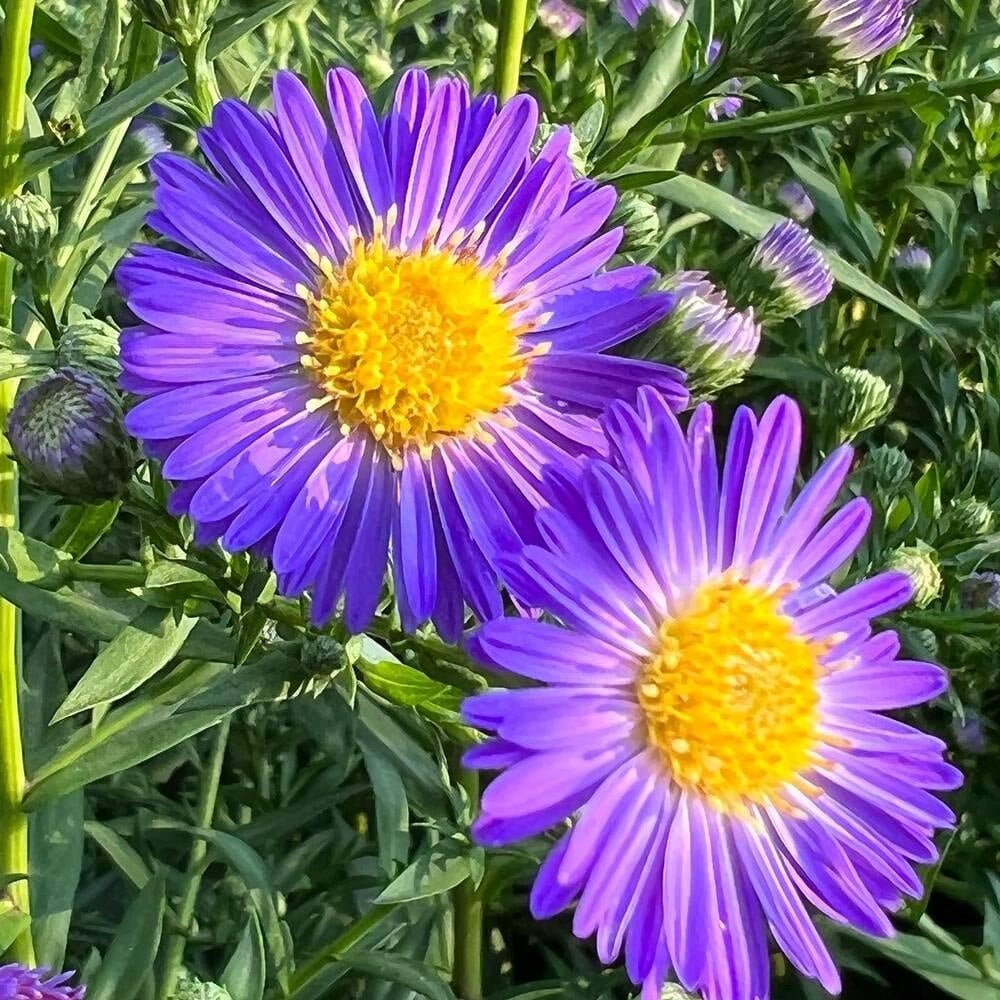
A late daisy-like flower whose name comes from the Greek for star. Patience and love, with morning glory as the second September bloom.
October: Marigold and Cosmos
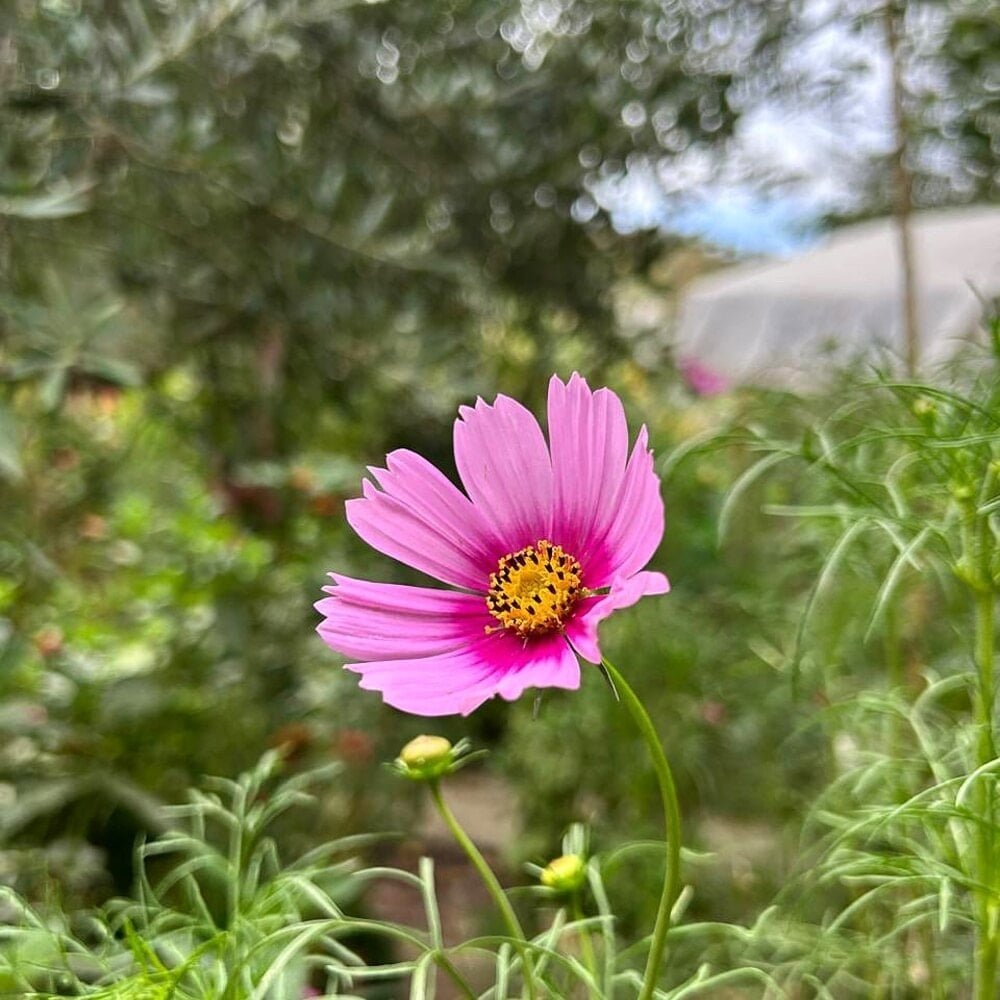
October is the marigold, a Tagetes carrying creativity and joy, with the cosmos pictured here as its second flower. Both are annuals that finish in a single season and both are grown from seed.
November: Chrysanthemum
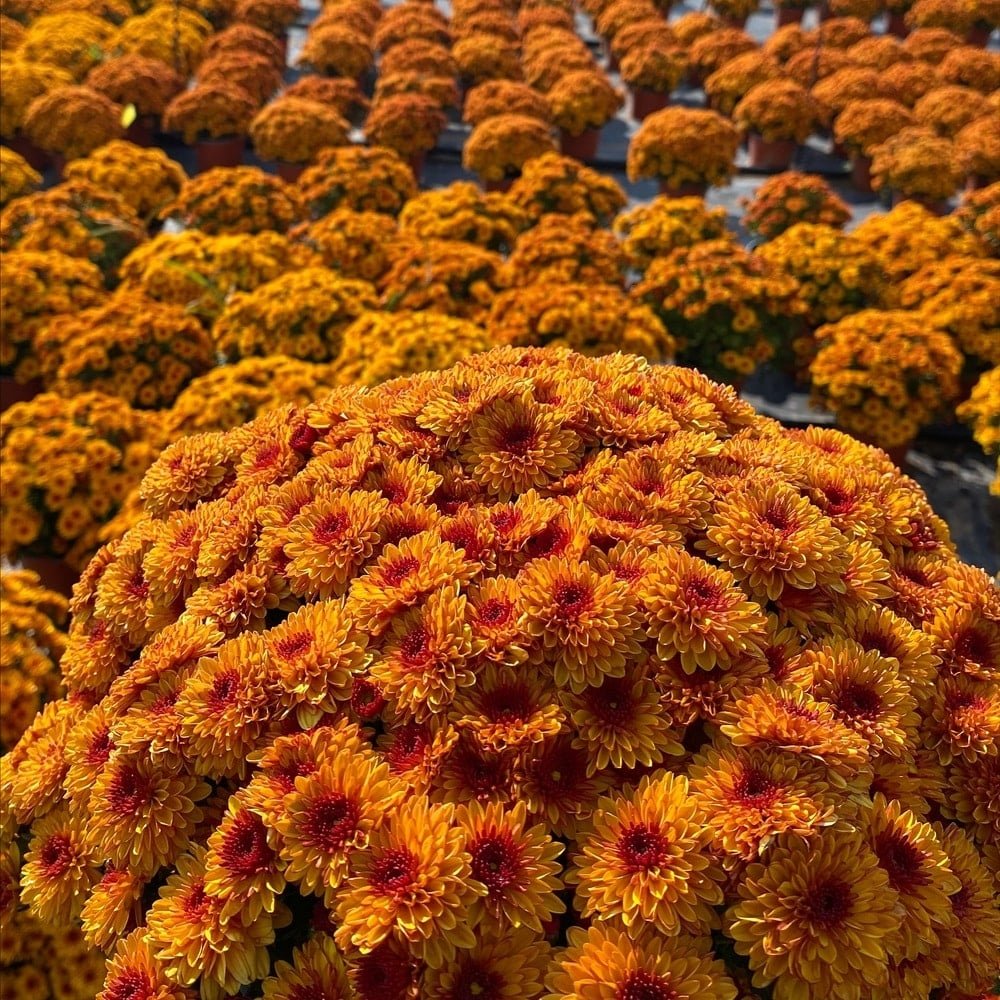
The only month with one flower and no second. Friendship, loyalty and honesty, although across much of Europe the chrysanthemum is a funeral flower, which matters if the gift is going abroad.
December: Narcissus
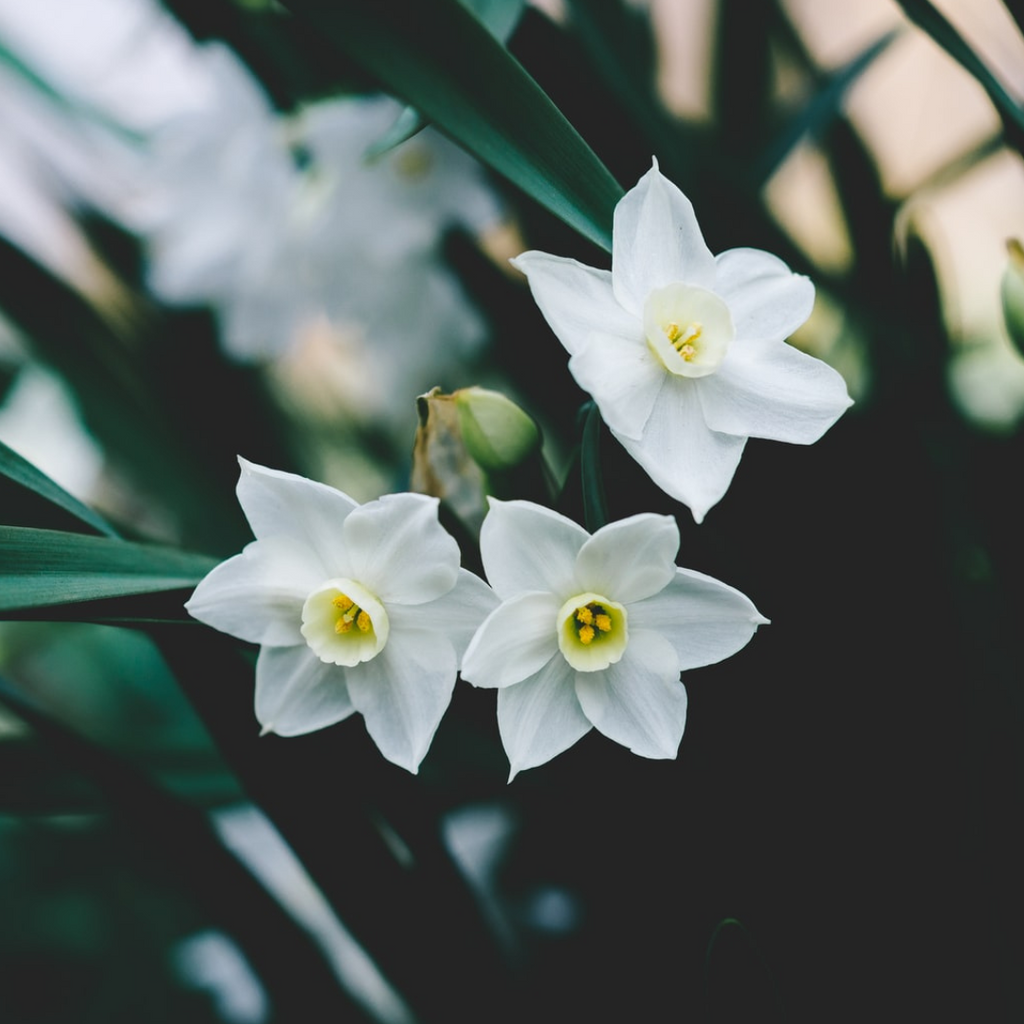
The paperwhite is the variety usually meant, because it can be forced into flower indoors in midwinter. Rebirth and hope, with holly second for protection.
What the Meanings Have in Common
Read down the meaning column and a shape appears that has little to do with botany. The winter months are given hope, rebirth and new beginnings. High summer gets love, passion and strength. The autumn months turn to friendship, remembrance and patience, and December closes on rebirth again.
That is the year described as a mood rather than a planting calendar, and it is part of why the tradition survived without anyone ever agreeing on which flowers belong in it. The meanings were stable even while the blooms attached to them moved around.
Why Eleven Months Have Two Flowers
There is no authority that governs birth flowers, and that is the whole explanation. The tradition grew in several places at once, each working from the plants it could actually grow.
- Climate decided availability. A bloom that could not be raised or imported in a region was replaced locally by one that could, and both stayed in use.
- Etiquette books spread it, not a standards body. A convention that travels through publishing produces variation by definition.
- December is the clearest case. Narcissus and holly are both long established, and poinsettia is used instead in parts of North America.
- Birthstones took the opposite path. They were standardised in 1912 and revised since, which is why that list is consistent and this one is not. The stones are in our guide to birthstones by month.
March and December Share a Genus
Two months of the twelve are the same plant family, which surprises people who assume the names describe different flowers. March is the daffodil, usually Narcissus pseudonarcissus. December is the narcissus, usually the paperwhite. The jonquil listed for March is a third name inside the same genus.
| Month | Flower | Genus |
|---|---|---|
| January | Carnation | Dianthus |
| February | Violet | Viola |
| March | Daffodil | Narcissus |
| April | Daisy | Bellis |
| May | Lily of the valley | Convallaria |
| June | Rose | Rosa |
| July | Larkspur | Consolida |
| August | Gladiolus | Gladiolus |
| September | Aster | Aster |
| October | Marigold | Tagetes |
| November | Chrysanthemum | Chrysanthemum |
| December | Narcissus | Narcissus |
The overlap matters for a planted gift. A March daffodil and a December narcissus want the same conditions and the same autumn planting window, so they go in together. The April daisy and the September aster share a wider family but nothing else: one is a low spring lawn flower and the other a tall late-summer perennial.
Where the Tradition Started
Attaching a flower to a month is older than any published list. Classical and medieval Europe already read meaning into particular blooms, usually through a religious association or through the point in the year when a plant appeared, and those readings were passed on without ever being written down as a set.
The nineteenth century turned that into a system. Floriography became a popular pastime, etiquette books printed dictionaries of what each flower was understood to say, and the month-by-month pairing hardened in the same period. The meanings above almost all reach print in those decades, even where the association behind them is centuries older. Much like the five love languages, the vocabulary matters less than both people using the same one.
How Easy Each One Is to Buy
- Available all year. Carnations, roses, chrysanthemums and gladioli are grown commercially at scale and are in florists every week of the year.
- Available in season only. Daffodils, asters, marigolds and larkspur appear around their own months and disappear afterwards.
- Difficult at any price. Lily of the valley has a short season and a short vase life, which is why May is the most expensive month in this list to buy for.
- Not sold cut at all. Snowdrops, hawthorn and holly are garden plants rather than florist stock, so the second flower is sometimes the harder one to find.
Choosing One as a Gift
- Buy it in its own month. The flower is tied to a season, so it is cheaper and fresher then than at any other point in the year.
- Switch to the second flower when the first does not travel. Chrysanthemums are funeral flowers across much of Europe.
- Give the plant instead of the stem. Violets, lily of the valley, asters and daffodils all return every year once planted, and several spread.
- Pair the flower with the stone if the gift needs to feel like a set.
- Check what else will be in the vase. Daffodils release a sap that shortens the life of other cut flowers, so they are usually arranged on their own.
Birth flowers sit alongside the other month-based systems people use to describe themselves, including the dates and elements in our guide to the zodiac signs.
Frequently Asked Questions
What is my birth flower?
It depends on the month only, not the date. January carnation, February violet, March daffodil, April daisy, May lily of the valley, June rose, July larkspur, August gladiolus, September aster, October marigold, November chrysanthemum, December narcissus.
Why does my month have two birth flowers?
Because the tradition developed in several regions at once and the available flowers differed. Both options remained in use. November is the single exception, with one flower only.
What is the rarest birth flower?
Lily of the valley is the hardest of the twelve to buy as a cut flower. Its season is short, it does not last long once cut, and it is the reason May bouquets are expensive.
Are birth flowers and birth month flowers the same thing?
Yes. Birth flower, birth month flower and flower of the month all describe the same tradition of assigning one bloom, and usually a second, to each month of the year.