Jakarta is the biggest city in the world in 2026, with 41.9 million residents on the latest UN count, ahead of Dhaka at 36.6 million and Tokyo at 33.4 million. This ranking of the 10 biggest cities in the world gives each city’s 2025 population, its UN projections for 2035 and 2050, and the place it held in the 2018 revision.
Every figure comes from the 2025 revision of the UN World Urbanization Prospects, released in November 2025, which draws each city’s edge with one satellite-based density rule. Nine of the 10 biggest cities are in Asia, and the projections hand the top spot to Dhaka by 2050.
Ten Biggest Cities in the World by UN Population Estimate, With 2035 and 2050 Projections
| # | City | Country | Population 2025 | Projected 2035 | Projected 2050 | Rank in 2018 revision |
|---|---|---|---|---|---|---|
| 1 | Jakarta | Indonesia | 41.9 million | 47.0 million | 51.8 million | 30th |
| 2 | Dhaka | Bangladesh | 36.6 million | 44.4 million | 52.1 million | 9th |
| 3 | Tokyo | Japan | 33.4 million | 32.5 million | 30.7 million | 1st |
| 4 | New Delhi | India | 30.2 million | 32.2 million | 33.9 million | 2nd |
| 5 | Shanghai | China | 29.6 million | 32.6 million | 34.9 million | 3rd |
| 6 | Guangzhou | China | 27.6 million | 28.9 million | 29.2 million | 22nd |
| 7 | Cairo | Egypt | 25.6 million | 28.7 million | 32.4 million | 6th |
| 8 | Manila | Philippines | 24.7 million | 26.2 million | 27.1 million | 17th |
| 9 | Kolkata | India | 22.5 million | 23.5 million | 23.8 million | 16th |
| 10 | Seoul | South Korea | 22.5 million | 22.6 million | 21.2 million | 34th |
Karachi is 11th at 21.4 million, just outside the table. The last column shows where each city stood in the 2018 revision, which drew boundaries differently.
Biggest Cities in the World, Ranked
1. Jakarta: 41.9 Million People and 1,162 km2 Built Up
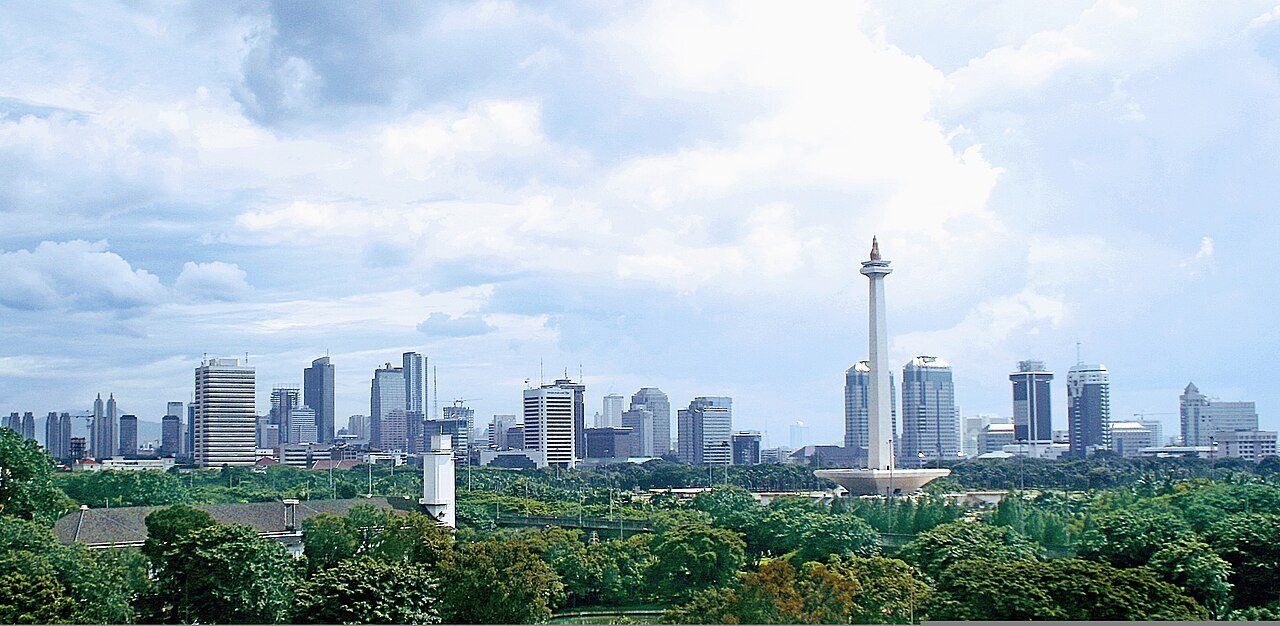
2025: 41.9 million · 2035: 47.0 million · 2050: 51.8 million · 2018 revision rank: 30th
Jakarta counts 41.9 million residents in 2025, a rise of 16.3 million since 2000, when it ranked second at 25.6 million. In the 2018 revision it stood 30th with 10.5 million, on a boundary that stopped short of the dense districts running on from the centre.
Land area is 4,883 km2, with 1,162 km2 built up, a density of about 8,600 people per km2. The UN projects 44.6 million in 2030, 47.0 million in 2035 and 51.8 million in 2050, a year in which Dhaka is expected to edge past it by 0.3 million.
2. Dhaka: Adding 15.5 Million People by 2050
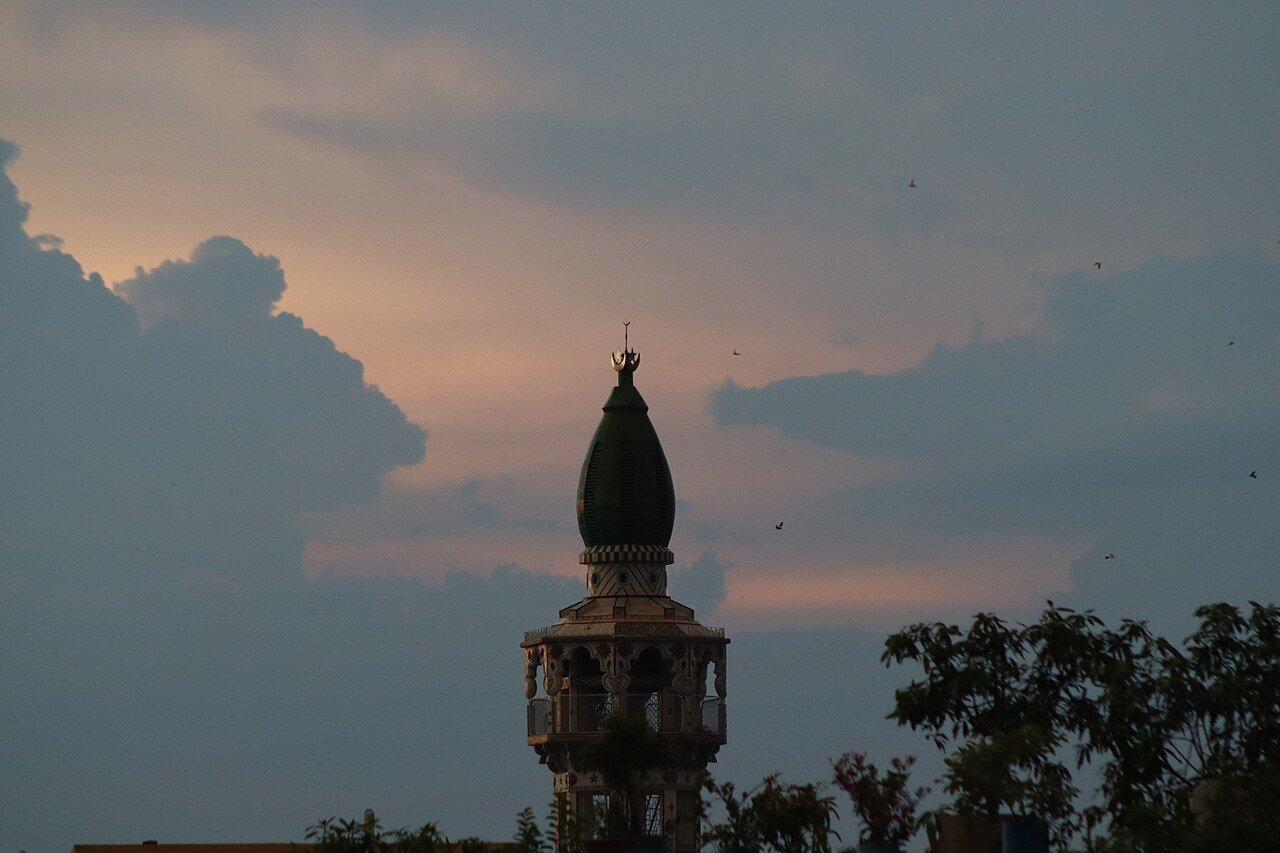
2025: 36.6 million · 2035: 44.4 million · 2050: 52.1 million · 2018 revision rank: 9th
Dhaka is the second-biggest city at 36.6 million and has more than doubled since 2000, when it held 17.4 million and ranked ninth. The 2018 revision also placed it ninth, at 19.6 million.
The 2025 revision projects 40.8 million in 2030, 44.4 million in 2035 and 52.1 million in 2050, which would make Dhaka the largest city on the planet. That gain of 15.5 million is the biggest of any city in the top 10.
3. Tokyo: The 2000 Leader Heading for Seventh
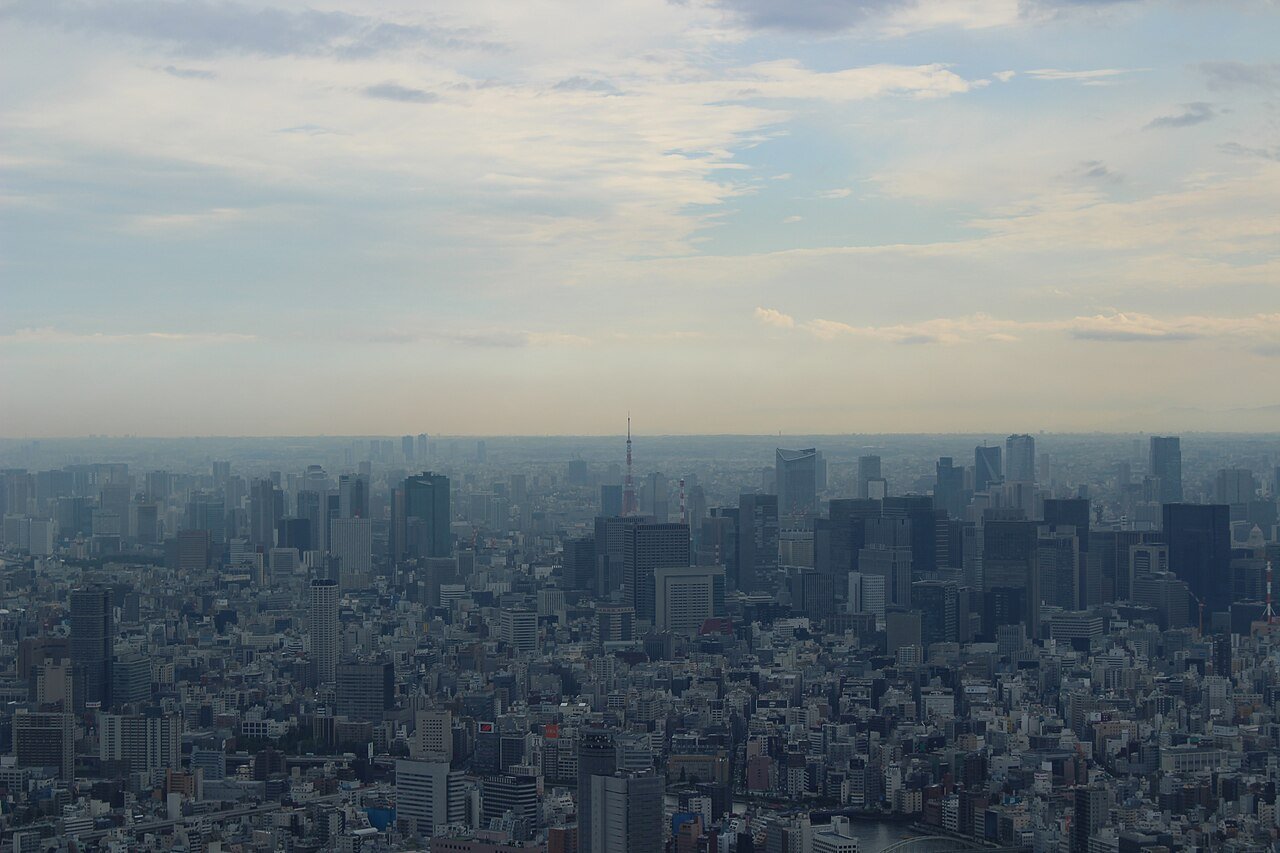
2025: 33.4 million · 2035: 32.5 million · 2050: 30.7 million · 2018 revision rank: 1st
Tokyo holds third place with 33.4 million people. It was first in 2000 at 30.3 million, and the 2018 revision kept it on top at 37.5 million by counting the Kanto Major Metropolitan Area.
It is the only one of the top three heading down: 33.0 million in 2030, 32.5 million in 2035 and 30.7 million in 2050, when it ranks seventh.Tokyo’s 1,521 km2 of built-up land is the most of the 10.
4. New Delhi: 30.2 Million on 2,101 km2 of Land
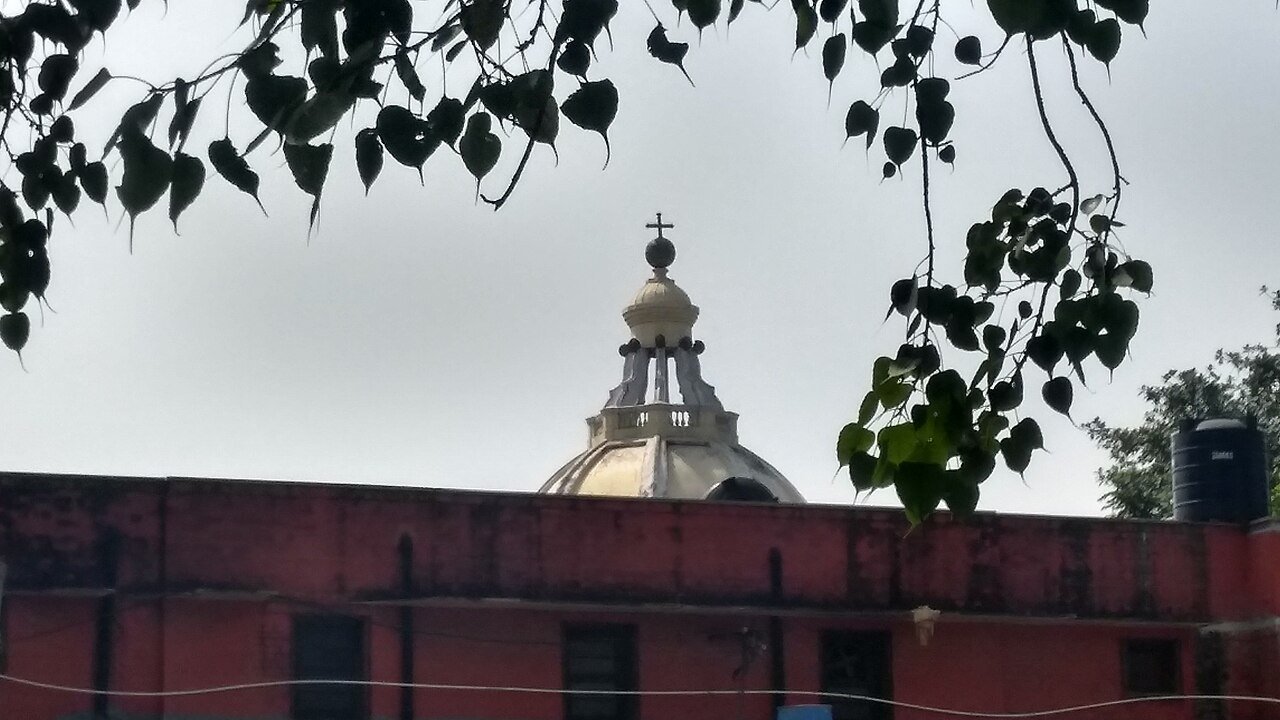
2025: 30.2 million · 2035: 32.2 million · 2050: 33.9 million · 2018 revision rank: 2nd
The UN lists the Indian capital’s urban area as New Delhi, home to 30.2 million people, up from 18.0 million and sixth place in 2000. The 2018 revision called it Delhi, covered the National Capital Territory plus suburban cities such as Gurgaon, and counted 28.5 million.
That edition projected 38.9 million for 2030, enough to make Delhi the largest city. The 2025 revision gives 31.3 million for 2030, 32.2 million for 2035 and 33.9 million for 2050, when it is fourth. At about 14,400 people per km2 of land, it is the densest of the five biggest cities.
5. Shanghai: Population Doubled Since 2000
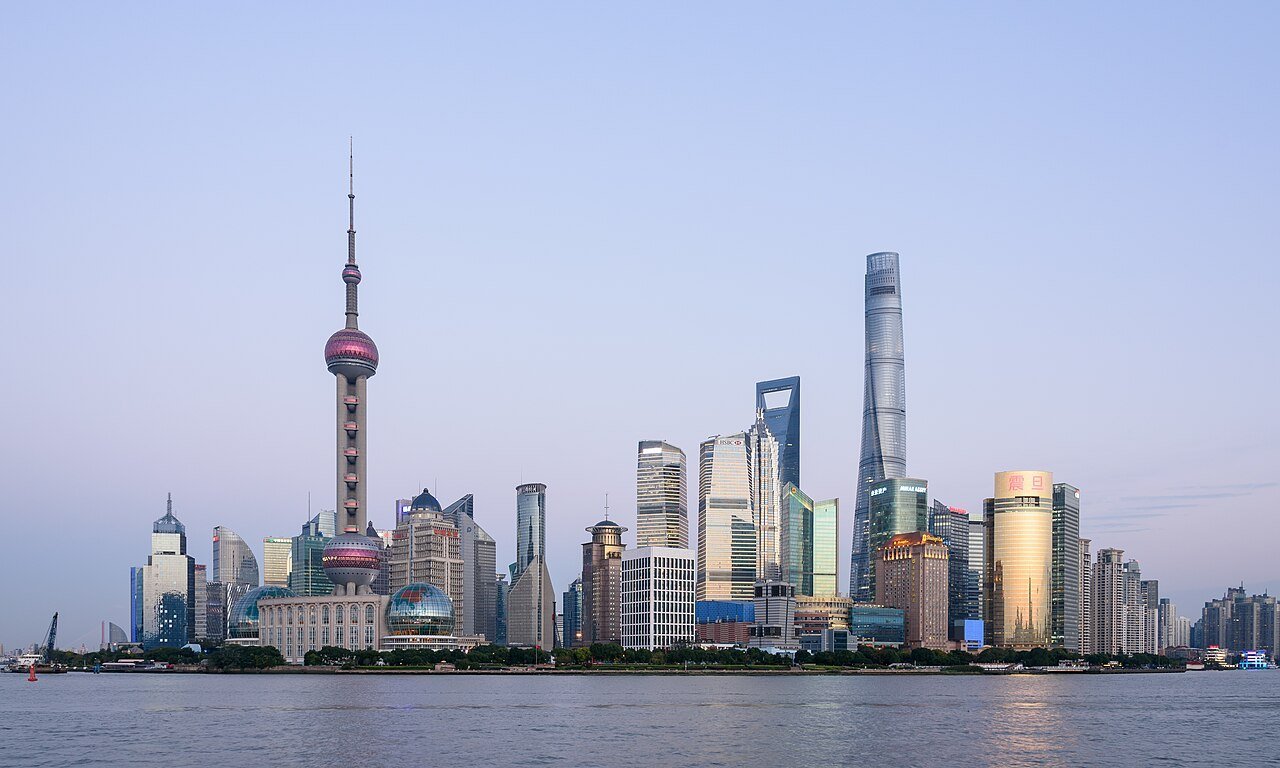
2025: 29.6 million · 2035: 32.6 million · 2050: 34.9 million · 2018 revision rank: 3rd
Shanghai is fifth at 29.6 million, double the 14.0 million it held in 2000, when it ranked 14th. It was third in the 2018 revision at 25.6 million, a place the 2025 projections hand back to it from 2035.
The UN projects 31.3 million in 2030, 32.6 million in 2035 and 34.9 million in 2050, third place in both of the last two years. Its density is about 9,400 people per km2 of land.
6. Guangzhou: From 22nd Place to Sixth
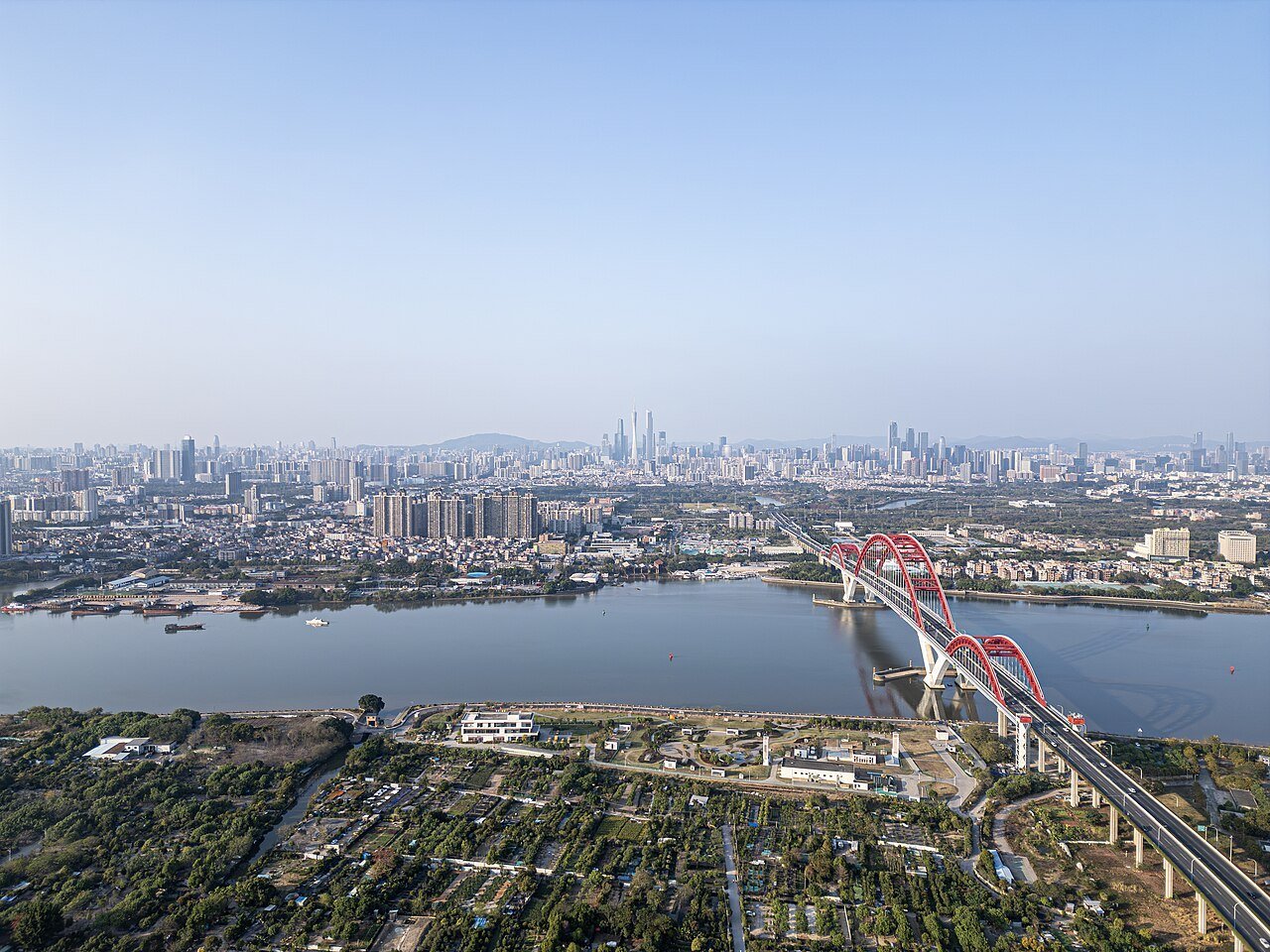
2025: 27.6 million · 2035: 28.9 million · 2050: 29.2 million · 2018 revision rank: 22nd
Guangzhou is sixth at 27.6 million after ranking third in 2000 with 19.0 million. The 2018 revision listed Guangzhou, Guangdong at 12.6 million and 22nd, and on those boundaries the 2025 estimate would have been 15 million and 20th, about half the figure the density rule gives.
Growth is flattening: 28.4 million in 2030, 28.9 million in 2035 and 29.2 million in 2050, when Guangzhou drops to eighth. Built-up land covers 1,120 km2.
7. Cairo: The Only Top 10 City Outside Asia
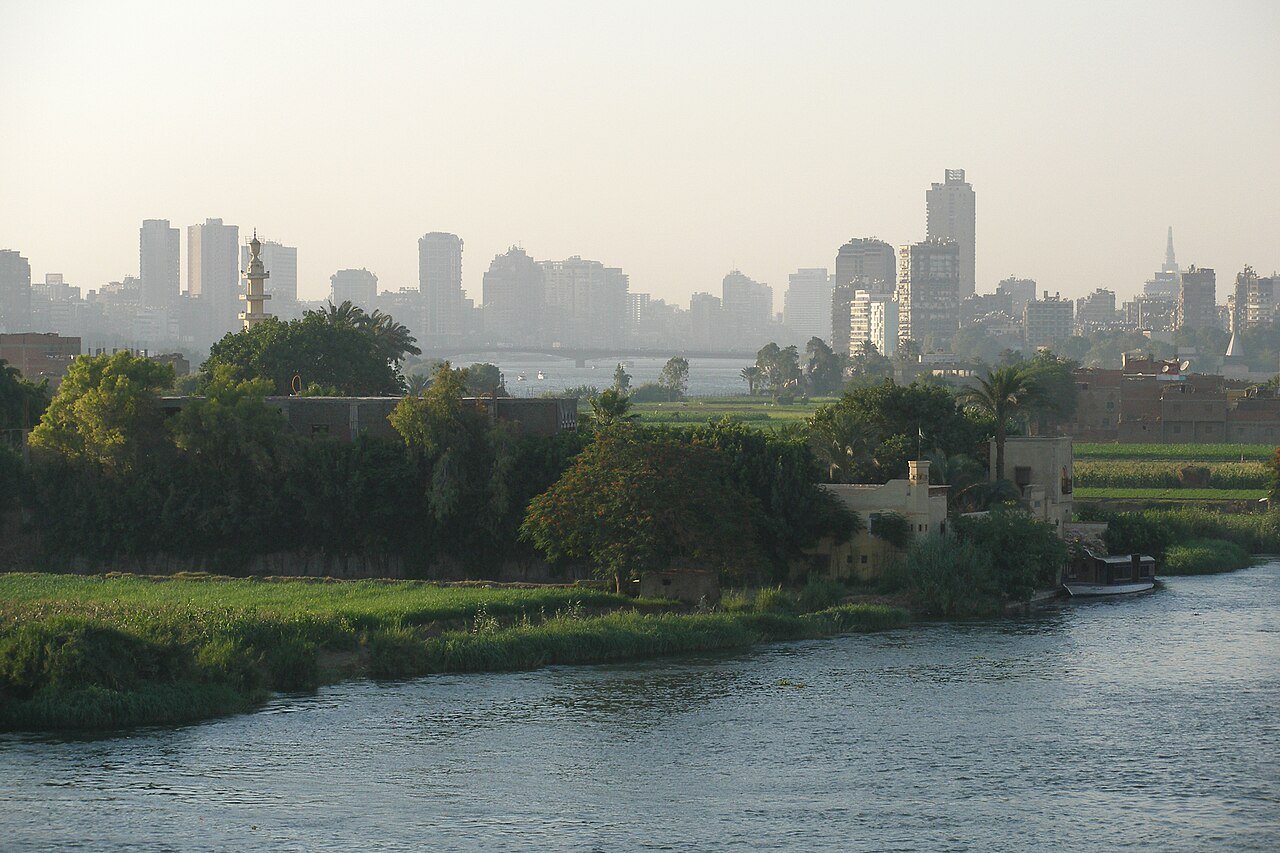
2025: 25.6 million · 2035: 28.7 million · 2050: 32.4 million · 2018 revision rank: 6th
Cairo is seventh at 25.6 million, the only city in the top 10 outside Asia. Its 2018 entry was Greater Cairo, the Cairo governorate plus surrounding districts of Giza and Qalyubia, which counted 20.1 million and ranked sixth.
It is the densest city in the top 10, with about 15,500 people per km2 of land. The UN projects 27.2 million in 2030, 28.7 million in 2035 and 32.4 million in 2050, which lifts Cairo to sixth. It held 15.7 million in 2000, when it ranked 12th.
8. Manila: 17th in 2018, Eighth Today
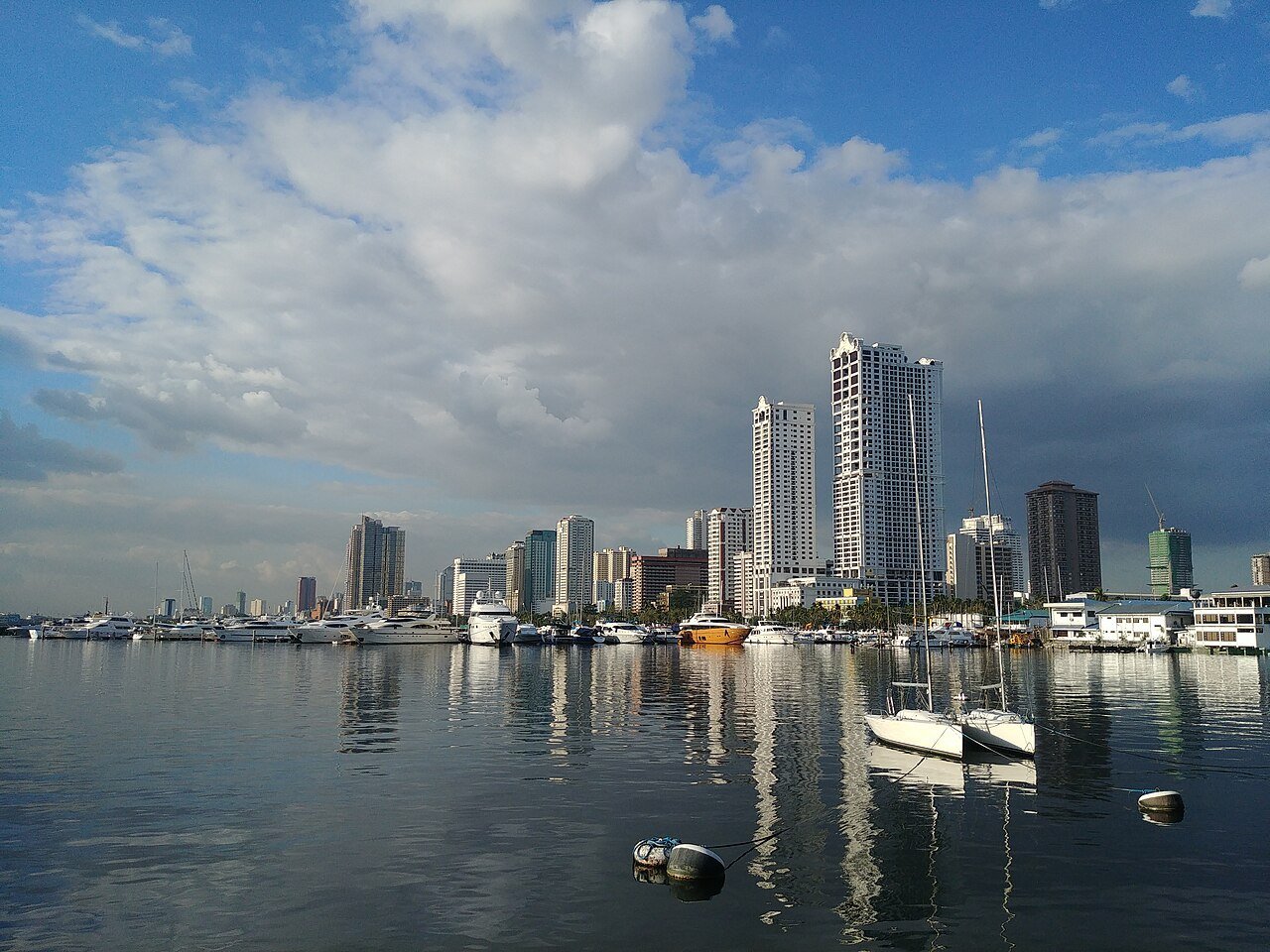
2025: 24.7 million · 2035: 26.2 million · 2050: 27.1 million · 2018 revision rank: 17th
Manila is eighth with 24.7 million people, up from 17.8 million in 2000, when it was seventh. The 2018 revision ranked it 17th at 13.5 million, and on that edition’s boundaries the 2025 figure would have been 15 million and 19th.
Manila stays eighth through 2035, with 25.5 million in 2030 and 26.2 million in 2035. By 2050 it reaches 27.1 million and slips to ninth. About 10,100 people live on each km2 of its 2,438 km2 of land.
9. Kolkata: Fifth in 2000, Ninth Today
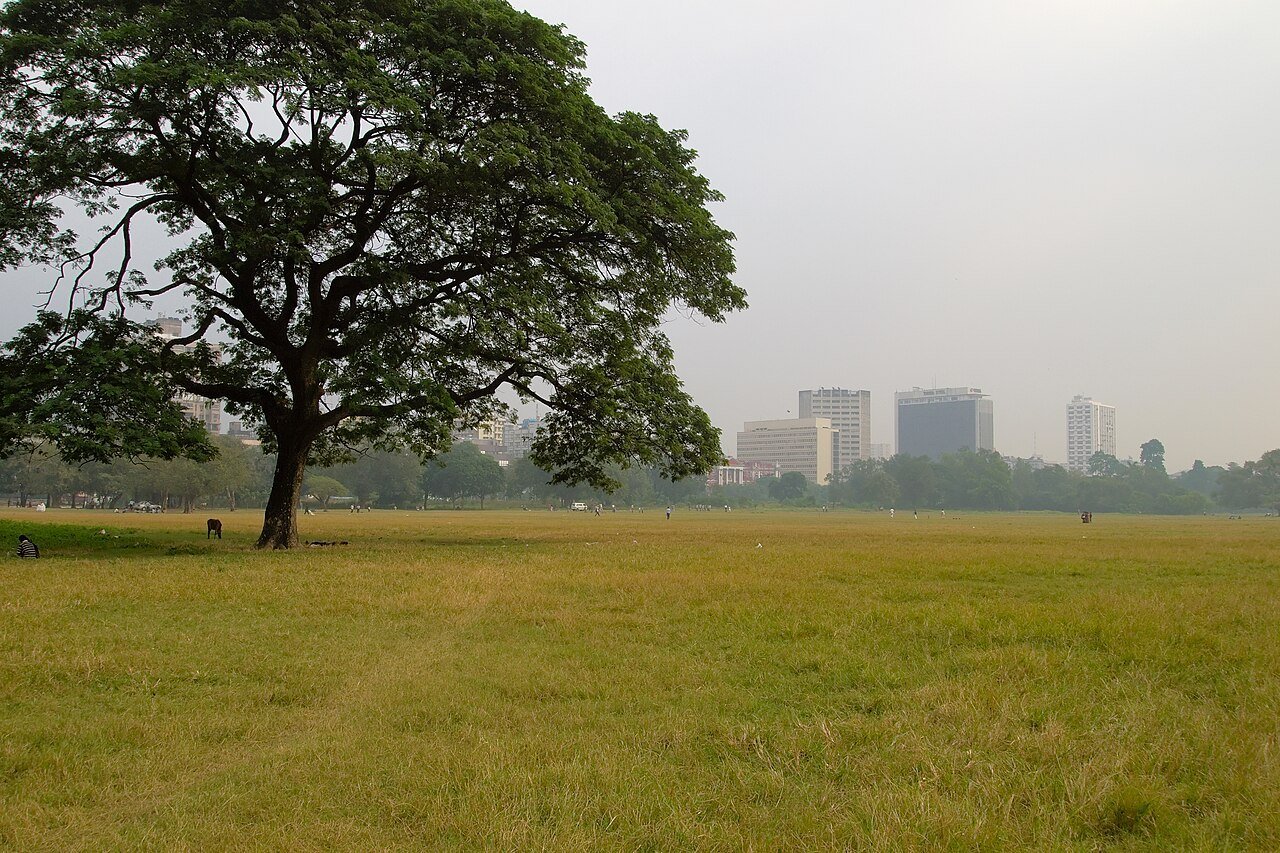
2025: 22.5 million · 2035: 23.5 million · 2050: 23.8 million · 2018 revision rank: 16th
Kolkata is ninth at 22.5 million, a drop from 2000, when it ranked fifth with 18.4 million. The 2018 revision listed Kolkata (Calcutta) 16th at 14.7 million, and its 2025 figure on those boundaries would have been 16 million.
Karachi passes it before 2030, which leaves Kolkata 10th at 23.0 million, and it stays 10th at 23.5 million in 2035 and 23.8 million in 2050. That is a gain of just 1.3 million in 25 years, the smallest of the growing cities in the top 10.
10. Seoul: 60,000 People Behind Kolkata and Heading Down
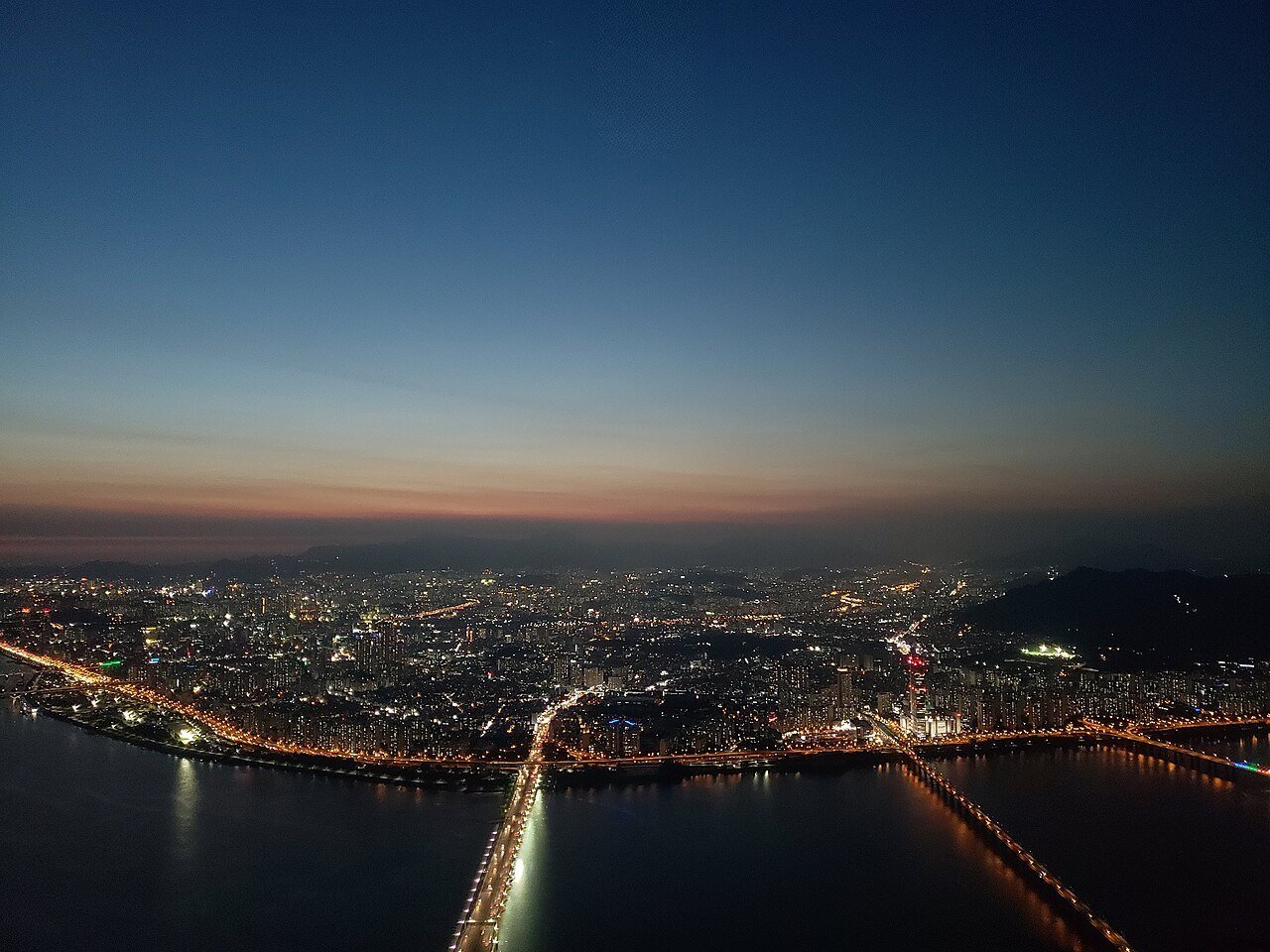
2025: 22.5 million · 2035: 22.6 million · 2050: 21.2 million · 2018 revision rank: 34th
Seoul is 10th at 22.5 million, a margin of only 60,000 people behind Kolkata. The 2018 revision counted Seoul Special City alone, 10.0 million, which ranked 34th, while the density rule takes in the continuous built-up area around it and gives 22 million.
Seoul is close to flat. The UN projects 22.6 million in 2030 and in 2035, then a decline to 21.2 million by 2050, when it ranks 12th. A land area of 2,255 km2 gives a density of about 10,000 people per km2, and Seoul and Tokyo are the only top 10 cities expected to lose population.
Asia Holds 12 of the 15 Biggest Cities and 84 Percent of Their Residents
Of the 15 biggest cities, 12 are in Asia: nine in the top 10, plus Karachi (21.4 million), Mumbai (20.2 million) and Bangkok (18.2 million). Together those 12 hold 328.8 million of the 391.1 million people living in the 15. Inside the top 10 the share is 91 percent, 269.0 million of 294.6 million.
The three outside Asia are Cairo, São Paulo (18.9 million) and Mexico City (17.7 million). Both still sat in the top 10 in 2000. Mexico City has since shrunk from 19.0 million in 2015 to 17.7 million in 2025.
Of the 33 cities with 10 million or more people in 2025, 19 are in Asia, with India holding 5 and China 4. New York City is 22nd at 13.9 million, which frames the fastest growing cities in the US, and London is 33rd at 10.4 million.
The Fastest-Growing of the Ten: Dhaka, Cairo and Jakarta Pull Ahead by 2050
Measured as change between 2025 and 2050, two cities add more than 9 million people, four add between 2 and 7 million, two add under 2 million and two shrink:
- Dhaka: up 15.5 million, or 42 percent
- Jakarta: up 9.9 million, or 24 percent
- Cairo: up 6.8 million, or 27 percent
- Shanghai: up 5.3 million, or 18 percent
- New Delhi: up 3.7 million, or 12 percent
- Manila: up 2.4 million, or 10 percent
- Guangzhou: up 1.6 million, or 6 percent
- Kolkata: up 1.3 million, or 6 percent
- Seoul: down 1.3 million, or 6 percent
- Tokyo: down 2.7 million, or 8 percent
Dhaka leads in both absolute and percentage terms, and Cairo is next by share. Behind these gains sit the most populous countries of the next stage: India, Nigeria, Pakistan, DR Congo, Egypt, Bangladesh and Ethiopia together add over 500 million city residents out of a projected global rise of 986 million.
The 2050 Order: Dhaka First, Karachi Fifth, Seoul Out of the Top 10
Projected populations for 2050 reshuffle the table. Dhaka and Jakarta are separated by only 0.3 million, then there is a gap of 17.2 million before third-place Shanghai. The ten biggest cities in 2050 are:
- Dhaka, 52.1 million
- Jakarta, 51.8 million
- Shanghai, 34.9 million
- New Delhi, 33.9 million
- Karachi, 32.6 million
- Cairo, 32.4 million
- Tokyo, 30.7 million
- Guangzhou, 29.2 million
- Manila, 27.1 million
- Kolkata, 23.8 million
Karachi is the big mover, from 11th at 21.4 million in 2025 to ninth in 2030 and fifth in 2050. Mumbai takes 11th place at 23.1 million and Seoul falls to 12th. Karachi’s 2050 projection carries a low plausibility rating, so its fifth place is the least certain entry.
Grid Cells Instead of Council Boundaries: What a UN City Measures
The ranking is built on the World Urbanization Prospects 2025 revision from the UN Department of Economic and Social Affairs. A city is a cluster of touching 1 km2 grid cells that each hold at least 1,500 people per km2 and that together hold at least 50,000. Administrative boundaries play no part, and the minimum city size was 300,000 in earlier editions.
That makes the measure neither a city proper, which stops at the municipal line and leaves out suburbs, nor a metropolitan area, which adds lower-density commuter belts. It sits closest to a continuous built-up area. The 2018 revision took whatever each country reported, so a narrow city proper could sit beside a wide metropolitan area in the same ranking.
Values are mid-year estimates for 1 July, and the 2035 and 2050 figures are modelled projections rather than census counts. Mainland China is listed without Hong Kong, Macao and Taiwan.
Reading the Rank-Change Column Without Over-Reading It
A rank in one revision and a rank in the next are not always comparable, so keep these checks in mind:
- Compare like with like. Jakarta’s climb from 30th to first and Seoul’s from 34th to 10th mostly reflect how the city is measured, not people moving in.
- Look at the gap, not the rank. Seoul trails Kolkata by 60,000 people, and Jakarta and Dhaka are 0.3 million apart in 2050.
- Treat projections as modelled estimates, not census counts.
- Keep the shares apart. 45 percent of the 8.2 billion people alive in 2025 live in cities as defined here, while 58 percent live in urban areas as each country defines them.
Frequently Asked Questions
Why does Jakarta rank above Tokyo?
The 2025 revision measures every city by one density rule, and on that rule Jakarta has 41.9 million people to Tokyo’s 33.4 million. The 2018 revision used national boundaries and had Tokyo first at 37.5 million.
How many of the ten biggest cities are outside Asia?
One. Cairo is seventh at 25.6 million. The next city outside Asia is São Paulo, 13th at 18.9 million.
Which of the ten biggest cities are expected to shrink?
Tokyo and Seoul. Tokyo falls from 33.4 million to 30.7 million by 2050, and Seoul from 22.5 million to 21.2 million. The other eight keep growing.
How many people live in the ten biggest cities combined?
About 294.6 million in 2025, adding the ten populations in the table. All 33 cities of 10 million or more hold 625.4 million people.