The best Clint Eastwood movies trace an unusual arc: a Hollywood contract player who found stardom in Italy, came home to play the most famous cop of the 1970s, and then spent his later decades as an Oscar-winning director casting himself as aging, regretful men. Eastwood has worked in front of the camera since the 1950s, and his finest work splits between films made for other directors, where he was a commanding screen presence, and films he controlled himself, where he took that presence apart piece by piece.
Each pick is judged first on what Eastwood brings to the part, and only then on the quality of the film around him. A lean genre picture can therefore outrank a prestige project, and some of his most celebrated directing work, where he stayed behind the camera, does not appear at all. What remains is a spread of westerns, wartime adventure, crime, romance and comedy that shows the full range of a performer often mistaken for having a single setting.
Best Clint Eastwood Movies Compared: Year, Role and Director
| # | Movie | Year | Role | Director |
|---|---|---|---|---|
| 1 | Unforgiven | 1992 | William Munny | Clint Eastwood |
| 2 | The Good, the Bad and the Ugly | 1966 | Blondie | Sergio Leone |
| 3 | Million Dollar Baby | 2004 | Frankie Dunn | Clint Eastwood |
| 4 | Gran Torino | 2008 | Walt Kowalski | Clint Eastwood |
| 5 | Where Eagles Dare | 1968 | Lt. Morris Schaffer | Brian G. Hutton |
| 6 | Magnum Force | 1973 | Insp. Harry Callahan | Ted Post |
| 7 | The Bridges of Madison County | 1995 | Robert Kincaid | Clint Eastwood |
| 8 | Hang 'em High | 1968 | Marshal Jed Cooper | Ted Post |
| 9 | Every Which Way but Loose | 1978 | Philo Beddoe | James Fargo |
| 10 | The Mule | 2018 | Earl Stone | Clint Eastwood |
1. Unforgiven (1992): The Masterpiece
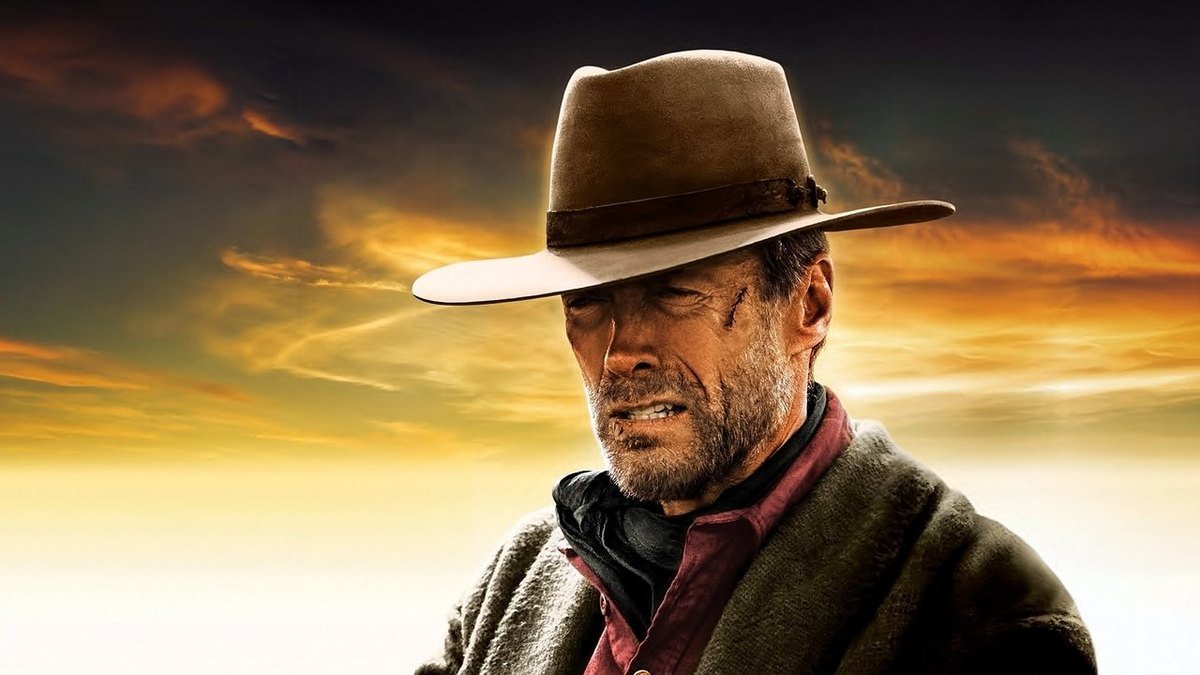
Eastwood directed and starred in Unforgiven, a dark western set in 1880s Wyoming. William Munny, his character, was once a notorious drunk and murderer; now he is a widowed pig farmer failing to keep his children fed. A young gunman calling himself the Schofield Kid (Jaimz Woolvett) offers a share of a bounty put up by working women in Big Whiskey after one of them is slashed, and Munny recruits his old friend Ned Logan, played by Morgan Freeman. Waiting for them is Gene Hackman's sheriff, Little Bill Daggett.
The genius of the performance is how much of it is about failure. Munny falls off his horse, catches a fever in the rain and cannot shoot straight at first, and Eastwood lets age and doubt show in every scene. Then a piece of terrible news turns him back into the killer of legend, and the shift is chilling. Richard Harris's English Bob and Hackman's Little Bill also take apart western myths alongside him. At the 1993 Oscars it won Best Picture and Best Director, with Eastwood nominated for Best Actor.
2. The Good, the Bad and the Ugly (1966): Leone at Full Scale
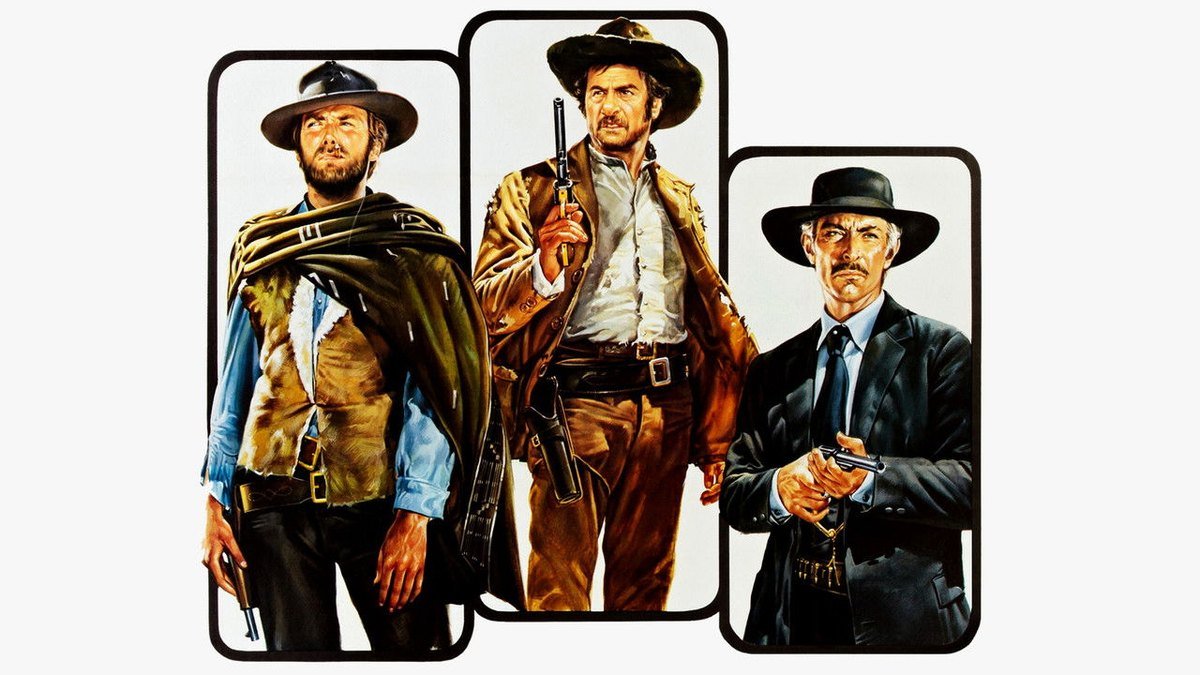
In The Good, the Bad and the Ugly, Sergio Leone stretches the spaghetti western to epic length. Eastwood's Blondie runs a profitable con with the outlaw Tuco (Eli Wallach): he turns Tuco in for the reward, then shoots through the hangman's rope. When the partnership sours, a dying soldier's secret about stolen Confederate gold binds them together again, with Lee Van Cleef's mercenary Angel Eyes hunting the same prize. The American Civil War rages across the background, turning a treasure hunt into a sweeping study of greed.
Blondie is the coolest figure Eastwood ever played, and the role refines the Dollars persona to its essence. Watch how he answers Wallach's chaos with tiny shifts of expression, or how he gives his coat to a dying young soldier in one of the film's few tender moments. The final standoff in Sad Hill cemetery is one of cinema's great set pieces, and his calm gaze is its center of gravity. It was the closing chapter of his work with Leone, and nothing he did in the genre afterward escaped its shadow.
3. Million Dollar Baby (2004): Oscar Night Again
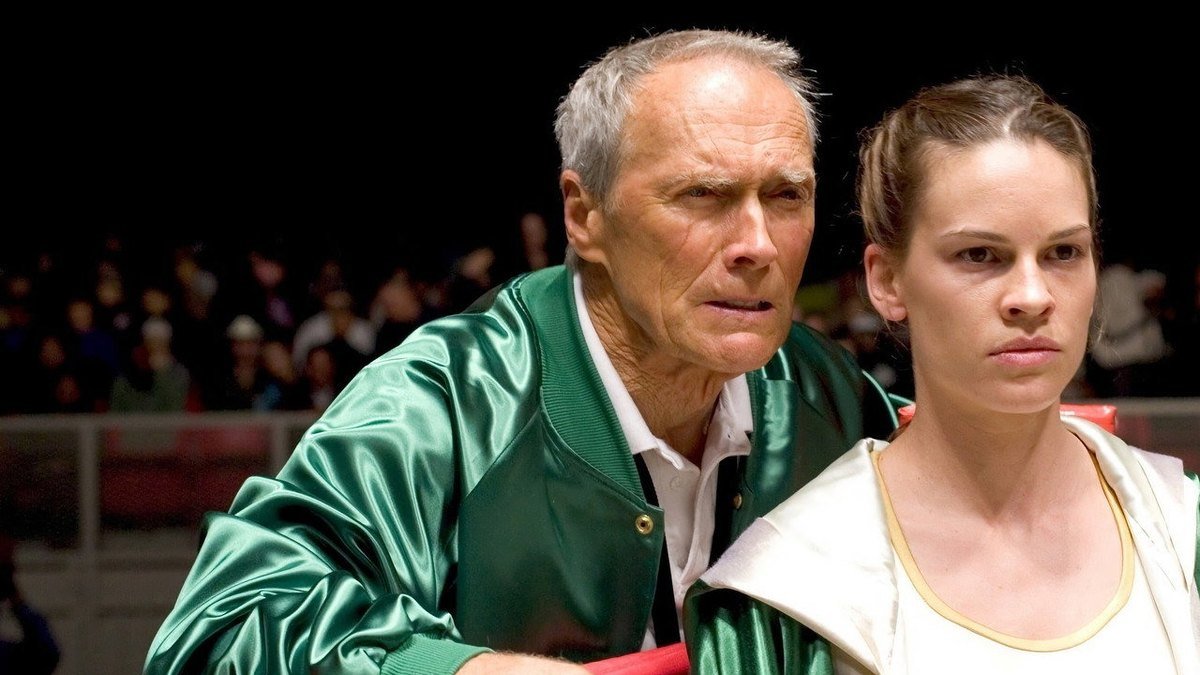
Million Dollar Baby, which Eastwood also directed, centers on Frankie Dunn, an old-school trainer who has spent his life patching up fighters and refusing to push any of them too far, too fast. Maggie Fitzgerald, played by Hilary Swank, is a determined woman from a poor Missouri family who wants him to train her, and Frankie's flat refusal slowly erodes. Morgan Freeman narrates as Scrap, Frankie's oldest friend and an ex-boxer who lost an eye in the ring, while Mike Colter plays the fighter Big Willie Little.
Frankie writes letters to an estranged daughter that come back unopened, and Eastwood never explains the rift; he lets the regret sit inside the character. That restraint pays off when the story takes a devastating turn in its last act and the performance becomes the moral center of the film. It won Best Picture and Best Director at the 2005 Academy Awards and gave Eastwood another Best Actor nomination. Third place reflects a career-best dramatic turn inside one of his most accomplished pieces of direction.
4. Gran Torino (2008): The Last Tough Guy
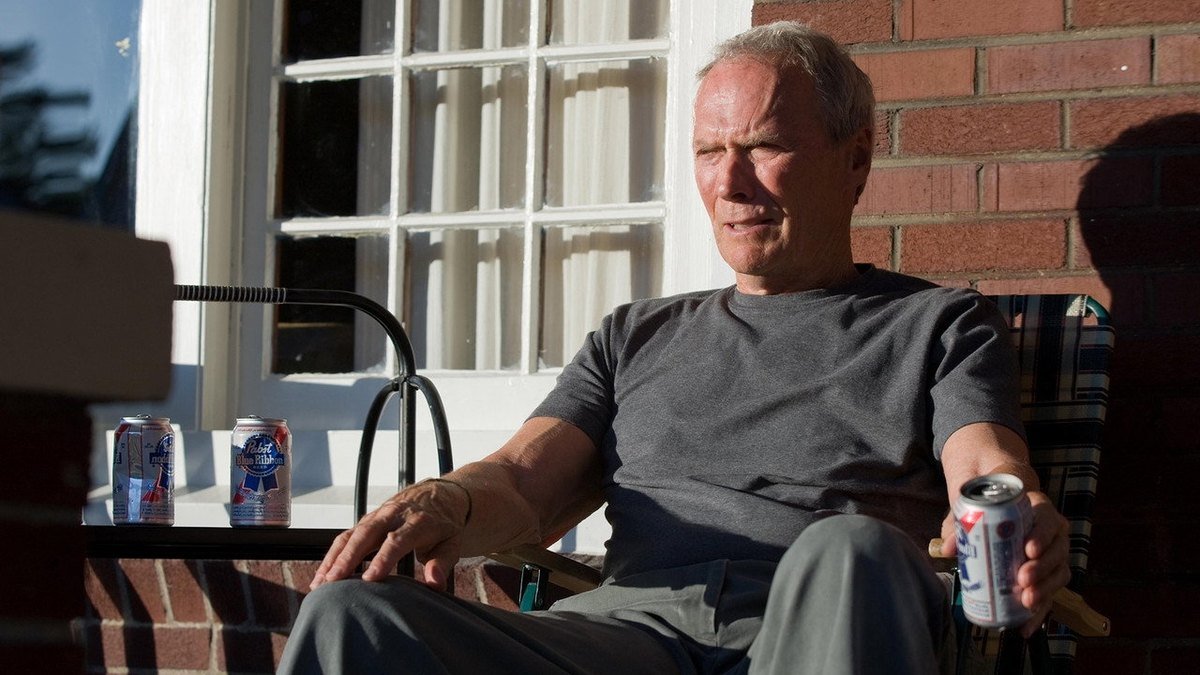
Eastwood directed himself in Gran Torino as Walt Kowalski, a widowed Ford factory veteran in a Detroit neighborhood that has changed around him. A Hmong family now lives next door, and Walt makes no secret of his contempt. His view starts to shift after he catches young Thao (Bee Vang) attempting to steal his car under pressure from a gang, and Thao's spirited sister Sue (Ahney Her) draws him into the family's life. Christopher Carley plays the persistent Father Janovich, and Brian Haley plays Walt's son Mitch.
The role plays like a commentary on decades of Eastwood toughness. Walt growls, threatens and keeps a rifle within reach, yet the film is really about whether an old man can admit he needs other people. Eastwood finds the humor in Walt's cantankerous routines, from his barbershop banter to his complaints about his own children, without softening his prejudices. The ending turns the gunfighter image inside out. Fourth place recognizes one of the defining roles of his later years, in a film made with real confidence.
5. Where Eagles Dare (1968): Wartime Thrills
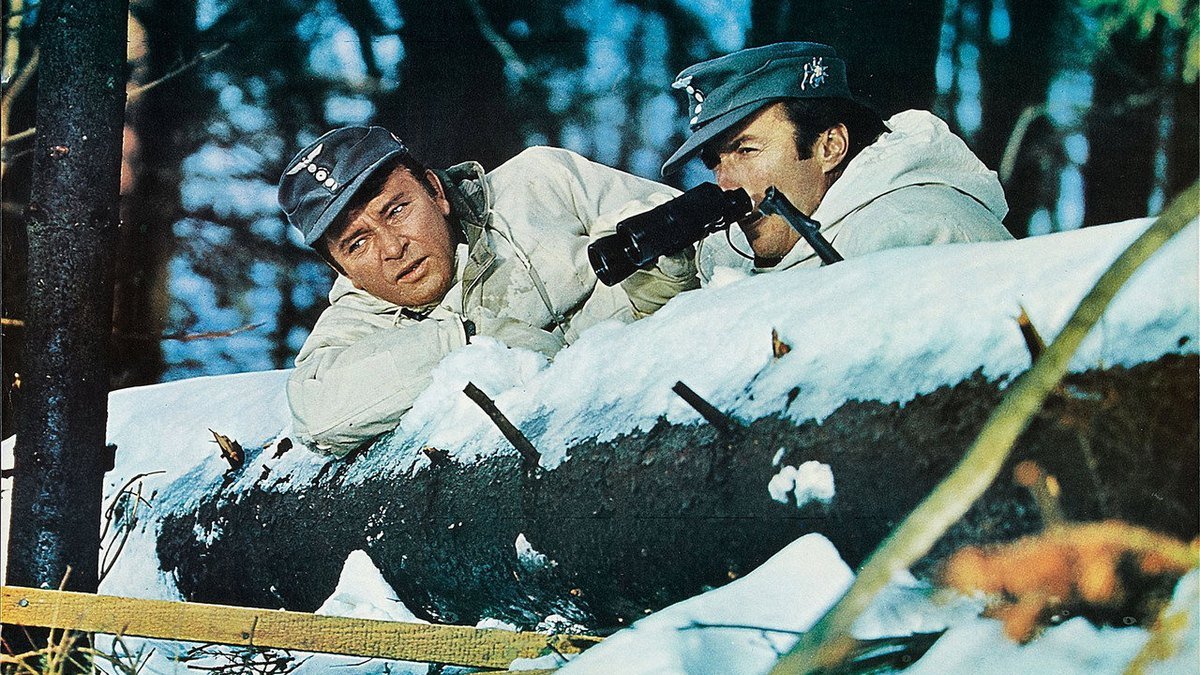
Brian G. Hutton's Where Eagles Dare is a World War II adventure in which Eastwood plays Lieutenant Morris Schaffer, an American Ranger attached to a British commando team. Richard Burton leads the mission as Major Smith, parachuting into the Bavarian Alps to free a captured American general from a mountaintop fortress reachable only by cable car. Mary Ure plays Mary Ellison, an agent working undercover alongside the team, while Michael Hordern and Patrick Wymark play the senior officers in London who planned the operation.
Burton handles the dialogue and the twists; Eastwood handles the bulk of the gunfire, and he does it with the dry, unflappable cool that made him a star. Schaffer's part is largely physical, from shootouts in the castle corridors to a getaway in a commandeered bus, yet his wry reactions to the escalating double-crosses give the film much of its humor. It sits fifth because it showed Eastwood could hold his own beside a major British star in a big studio production, outside the western genre that made him famous.
6. Magnum Force (1973): Harry Returns
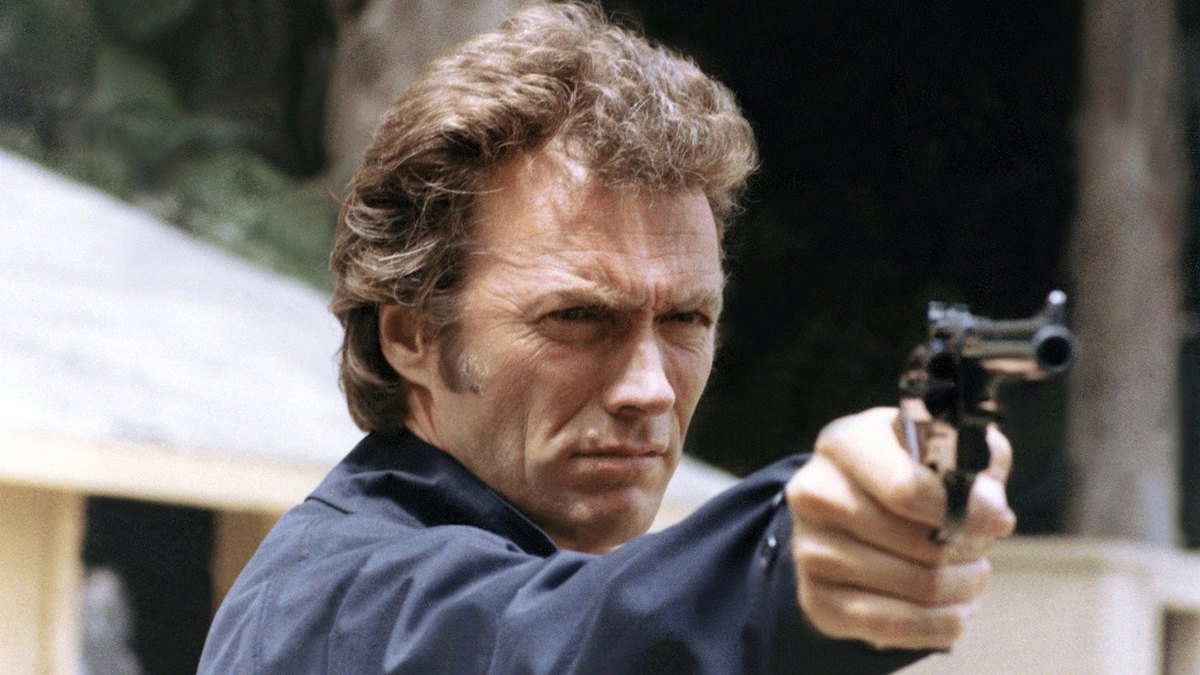
Magnum Force, directed by Ted Post, brings back Inspector Harry Callahan for a story that flips the first film's argument. Someone is executing San Francisco gangsters and racketeers who escaped conviction, and the trail leads Harry to a group of young motorcycle officers, including David Soul's Officer John Davis, operating as a secret death squad. Hal Holbrook plays Lieutenant Briggs, Harry's by-the-book superior, and Felton Perry is Early Smith, his partner. Mitchell Ryan appears as Charlie McCoy, an old friend on the force who is falling apart.
The sequel matters because it gives Harry a line he will not cross. Faced with officers who share his contempt for the courts and none of his limits, Callahan sides with the law, and Eastwood plays the distinction with grim conviction. The motorcycle chase finale is among the series' best action sequences. Sixth place reflects a performance that deepened the character by testing his code against people more extreme than he is. Anyone exploring classic crime thrillers should not skip it.
7. The Bridges of Madison County (1995): The Tender One
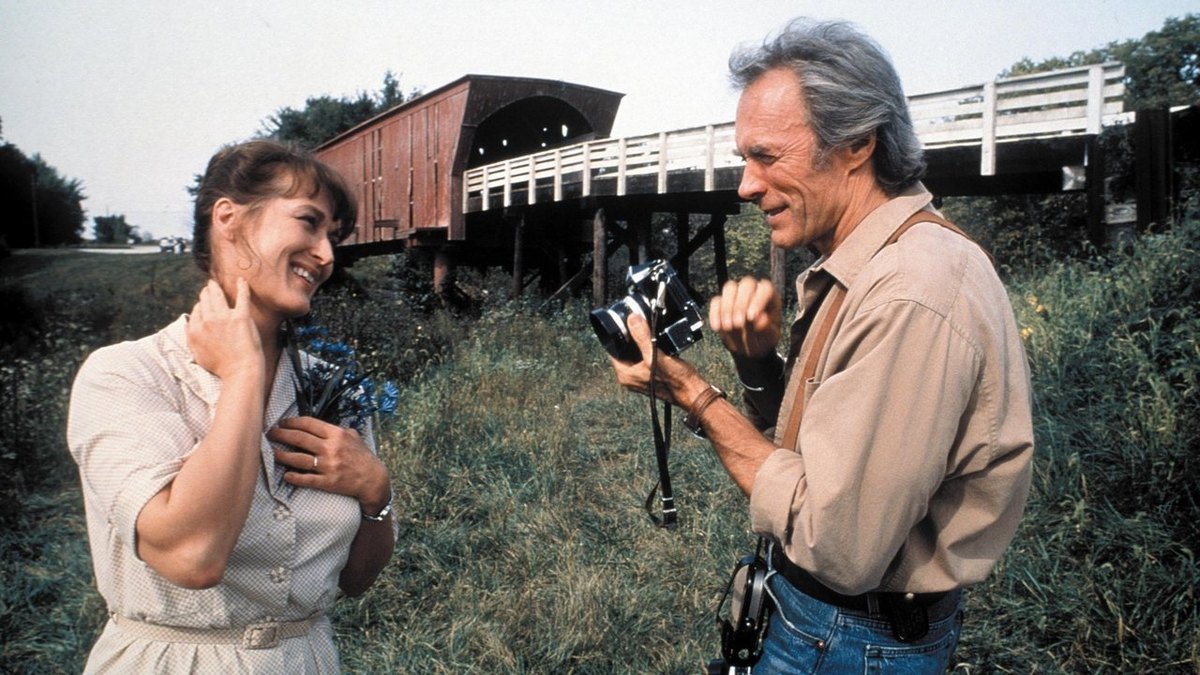
Directing himself again, Eastwood plays photographer Robert Kincaid in The Bridges of Madison County, who arrives in rural Iowa to shoot the area's covered bridges and stops at a farmhouse to ask directions. Meryl Streep is Francesca Johnson, an Italian-born farm wife whose husband and children are away at the state fair. Over a few days they fall into a love affair that will shape the rest of her life. The story unfolds as her grown children, Caroline and Michael, played by Annie Corley and Victor Slezak, read her journals after her death.
Eastwood rarely played romantic leads, and here he shows a gentleness that will surprise viewers who know him only through gunmen and cops. Kincaid is a drifter who has made peace with solitude until he meets Francesca, and Eastwood plays him as patient and attentive, leaving room for Streep's extraordinary performance. The rain-soaked scene at the traffic light is a masterclass in saying everything without words. Seventh place honors a role that broadened his range, and it is the obvious pick for anyone who loves grown-up romance on screen.
8. Hang 'em High (1968): Frontier Justice
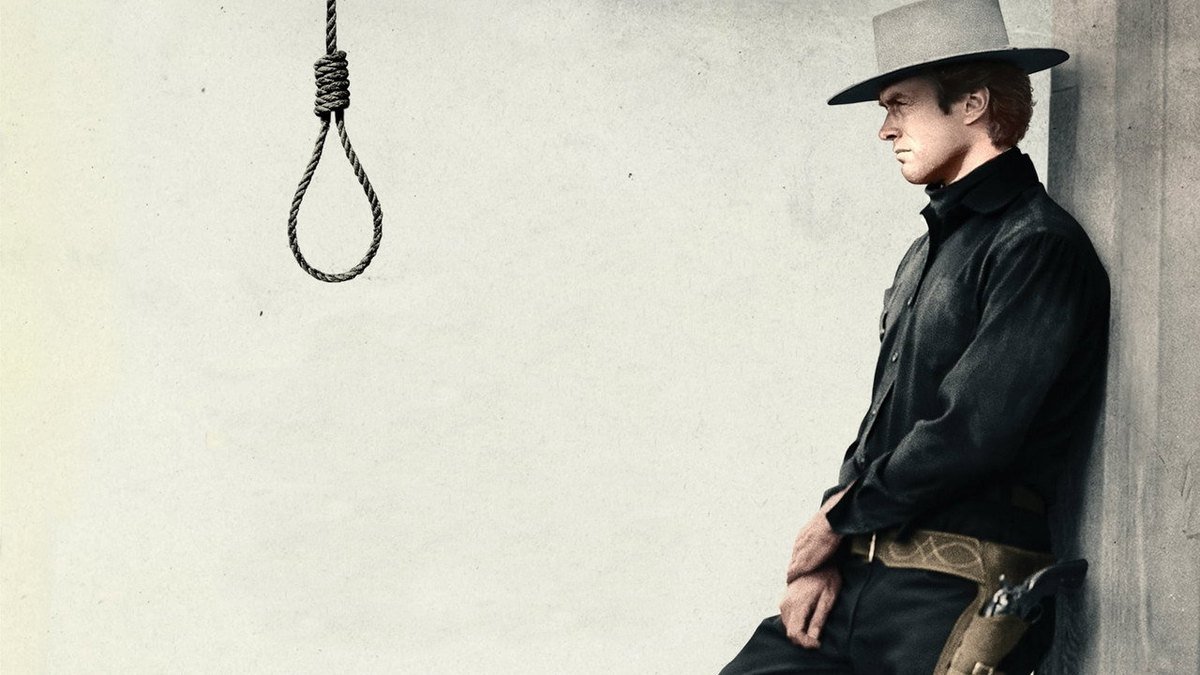
Ted Post's Hang 'Em High was among the first American westerns Eastwood made after returning from Italy. He plays Jed Cooper, a former lawman wrongly accused of cattle theft and murder who is lynched by a posse and left for dead. Cut down in time by Ben Johnson's Marshal Dave Bliss, Cooper is hired as a deputy marshal by Judge Adam Fenton, played by Pat Hingle, and goes after the men who strung him up, chief among them Ed Begley's Captain Wilson. Inger Stevens plays Rachel Warren, a widow searching the faces of prisoners for the men who wronged her.
The film borrows the Leone look but asks an American question: what separates justice from revenge when the law itself hangs people in public? Eastwood plays Cooper with simmering anger that he keeps carefully in check, and his clashes with Hingle's hanging judge give the film its moral tension. It ranks eighth as an essential transitional role, proving the Man with No Name could become a character with a past, a badge and a conscience, an idea he would return to for decades.
9. Every Which Way but Loose (1978): Pure Fun
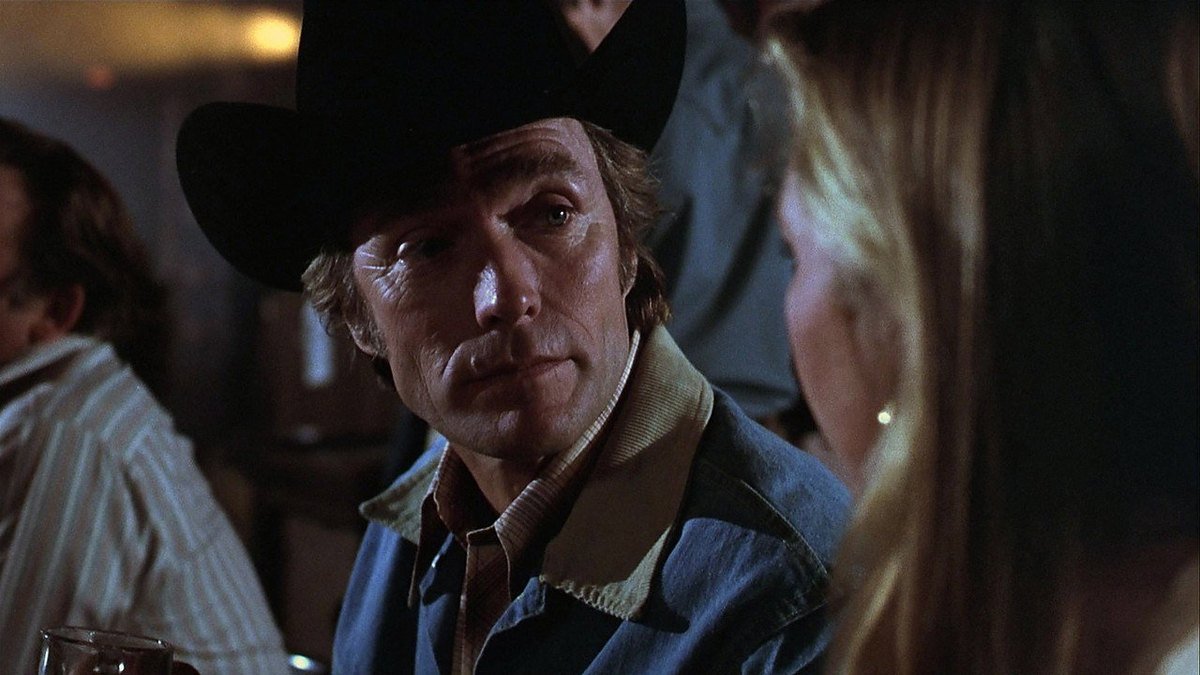
Every Which Way but Loose, directed by James Fargo, shows Eastwood at his most relaxed. Philo Beddoe is a Southern California trucker who earns extra cash in bare-knuckle fights and shares his life with an orangutan named Clyde. When he falls for the country singer Lynn Halsey-Taylor, played by Sondra Locke, he follows her across the West with his friend Orville (Geoffrey Lewis) and Clyde along for the ride, pursued by a hapless biker gang and an angry cop he has humiliated. Beverly D'Angelo turns up as Echo, who takes a shine to Orville.
It is the outlier in the top ten, a broad action comedy where the joke is that Eastwood plays every scene completely straight while an ape steals the show. Philo's deadpan fighting persona parodies the tough-guy image without abandoning it, and Eastwood looks like he is having a great time. Ninth place reflects a lighter role that proved his screen presence worked as comedy, which is no small thing for an actor so associated with menace. A sequel, Any Which Way You Can, followed in 1980.
10. The Mule (2018): Late-Career Grace
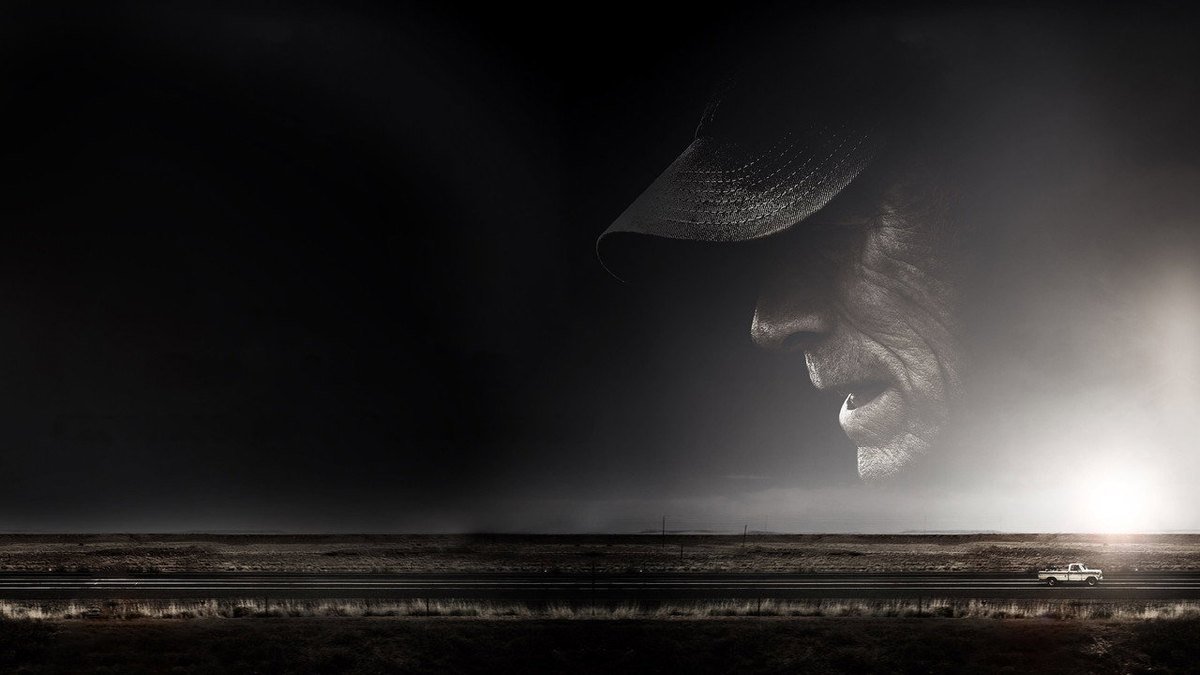
Eastwood directed The Mule and plays Earl Stone, a Korean War veteran and award-winning daylily grower whose business has collapsed and whose family has given up on him. Desperate for money, he accepts a job driving packages across state lines and soon becomes the most reliable courier for a Mexican drug cartel. Bradley Cooper plays DEA agent Colin Bates, closing in on the mysterious driver, with Michael Peña as his partner and Laurence Fishburne as their boss. Dianne Wiest plays Mary, Earl's estranged former wife.
Made when Eastwood was nearly ninety, The Mule is a gentle film about a man who chose work over family and is running out of time to fix it. Earl flirts, sings along to the radio and charms cartel enforcers, and Eastwood plays the comedy and the regret with equal lightness. The scenes with Wiest are the strongest, quiet and full of shared history. Tenth place gives due credit to a late role that shows his craft had not faded, and it works as a reflective late chapter in a long career of playing men facing their past.
Where to Start With Clint Eastwood
New to Eastwood, or looking for a particular mood? These pairings make good entry points:
- For westerns: begin with The Good, the Bad and the Ugly, move to Hang 'Em High, then finish with Unforgiven to watch the genre change in his hands.
- For crime and cops: pair Magnum Force with Gran Torino, contrasting portraits of a hard man and his code made decades apart.
- For drama: Million Dollar Baby and The Bridges of Madison County reveal the tender side of a famously tough screen presence.
- For lighter viewing: Every Which Way but Loose is knockabout comedy, while Where Eagles Dare is old-fashioned wartime action.
- For late Eastwood: The Mule shows him in a relaxed, reflective register that rewards anyone who knows the earlier work.
Clint Eastwood as His Own Director
Eastwood directed a remarkable share of his best performances: Unforgiven, Million Dollar Baby, Gran Torino, The Bridges of Madison County and The Mule. Control over the camera let him build roles around what he does best, long silences, a weathered face and a voice that rarely rises, and it let him question the screen image other directors had built for him.
What connects those films is a fascination with old men confronting regret. Munny cannot outrun his past, Frankie cannot reach his daughter, Walt cannot forgive himself for the war, Kincaid lets love walk away and Earl realizes too late what his absence cost. The gunfighter and the cop of his early years never paused to consider the damage; the characters he directed himself do almost nothing else.
That work earned him Best Picture and Best Director for Unforgiven and Million Dollar Baby. He was also nominated for Best Picture and Best Director for Mystic River and Letters from Iwo Jima, and American Sniper earned a Best Picture nomination, though he stays off screen in all of those.
Frequently Asked Questions
Which Clint Eastwood movies won Best Picture?
Unforgiven won at the 1993 Academy Awards and Million Dollar Baby won at the 2005 ceremony. Eastwood directed and starred in each and also took Best Director.
How many times has Clint Eastwood been nominated for Best Actor?
Twice, for Unforgiven and Million Dollar Baby. He has not won in an acting category.
What role is Clint Eastwood best known for?
Inspector Harry Callahan, first seen in Dirty Harry and continued in sequels such as Magnum Force, along with Blondie, the nameless gunman of Sergio Leone's westerns.
What is a good Clint Eastwood movie for a lighter evening?
Every Which Way but Loose (1978) is a knockabout comedy that pairs him with an orangutan named Clyde, and Where Eagles Dare (1968) is a fast World War II adventure.