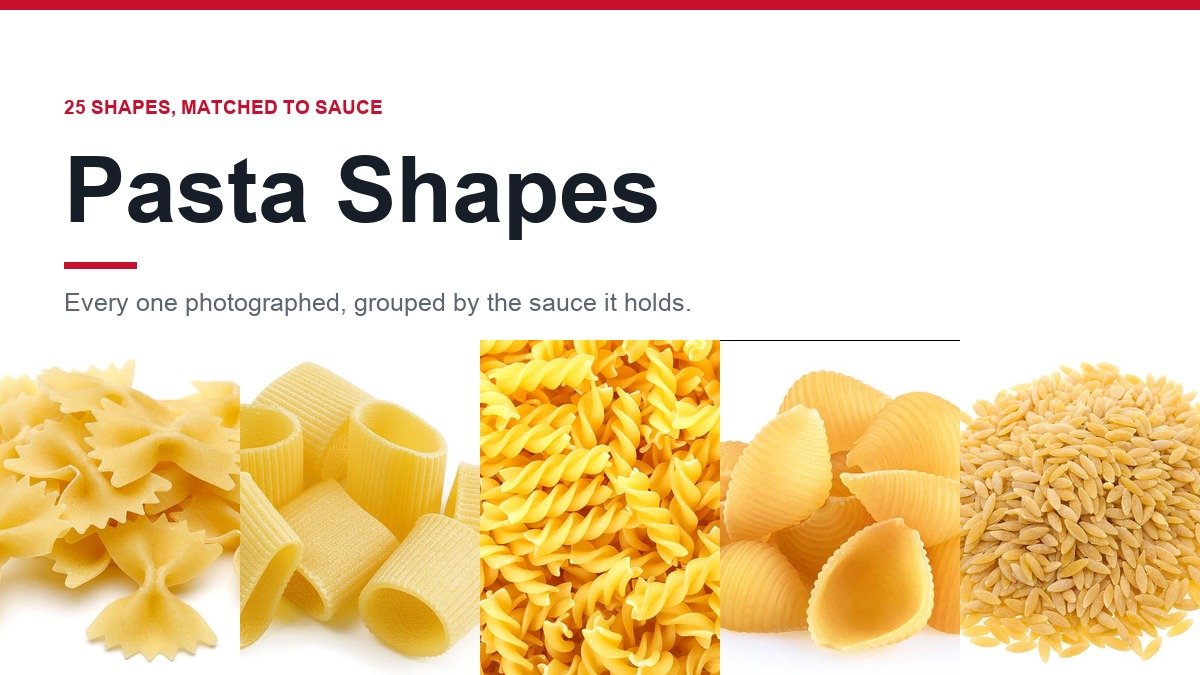
Pasta shapes are not decoration. Each one is a different amount of surface, and surface is what holds sauce, so swapping rigatoni for spaghetti under the same ragu changes the dish rather than just the look of it. The quickest way to learn 25 shapes is therefore not alphabetically but by what you are going to pour over them.
The four groups below are organised that way, and every shape is photographed: shapes for thin oil and tomato sauces, shapes for cream and cheese, shapes for chunky meat, and the small shapes used in soup and cold salad. A full cooking-time table follows at the end.
Shapes for Oil and Light Tomato Sauces
A thin sauce does not need help staying on. What it needs is a shape that will not swamp it, which means thin strands and smooth surfaces.
Spaghetti
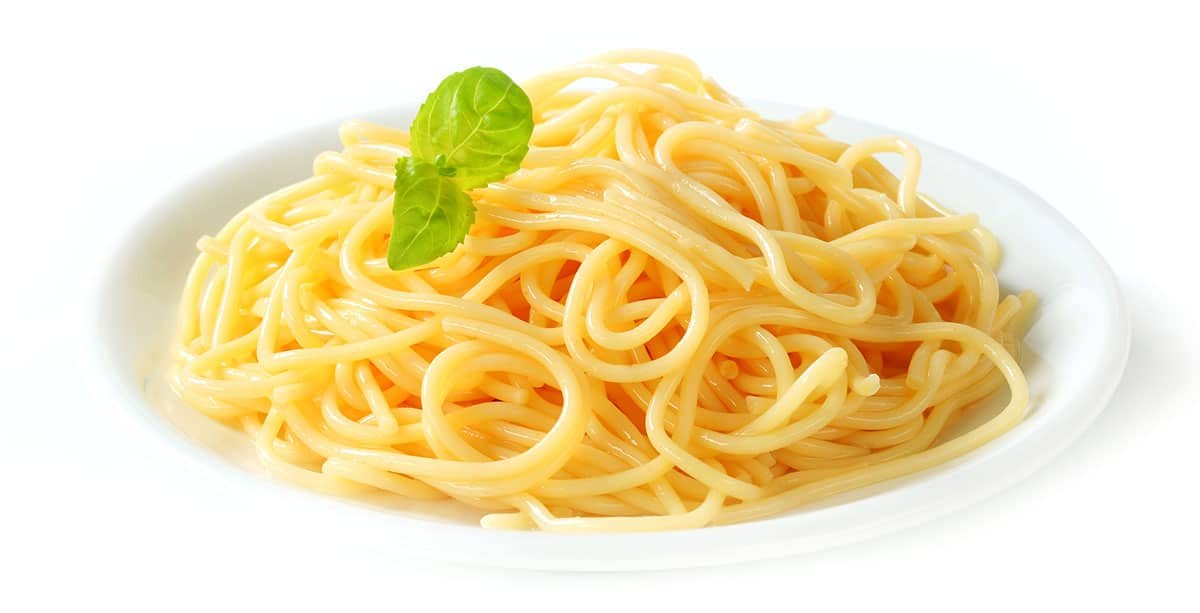
The round strand everything else is measured against, from the Italian spaghi, lengths of cord. It takes almost any sauce without complaint and cooks in 9 to 10 minutes.
Vermicelli
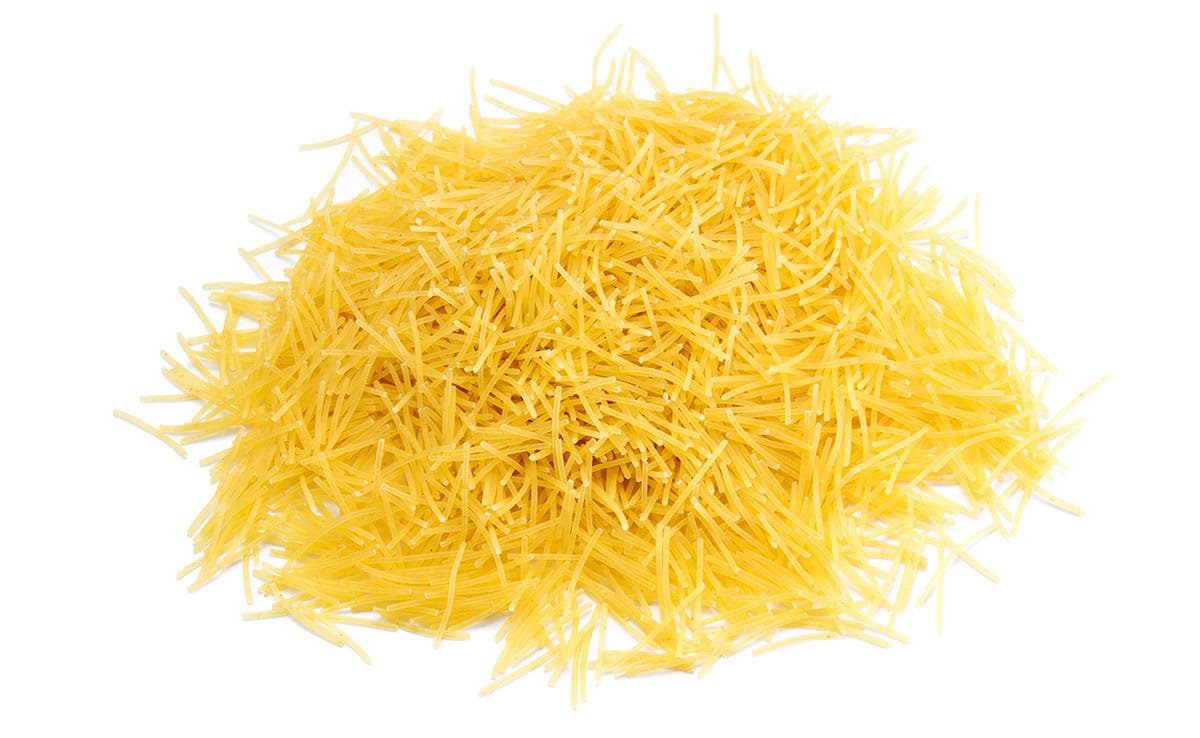
Slightly thinner than spaghetti, the name meaning little worms. Thin enough that a heavy sauce will drag it into a clump, so keep it to oil and light tomato.
Bucatini
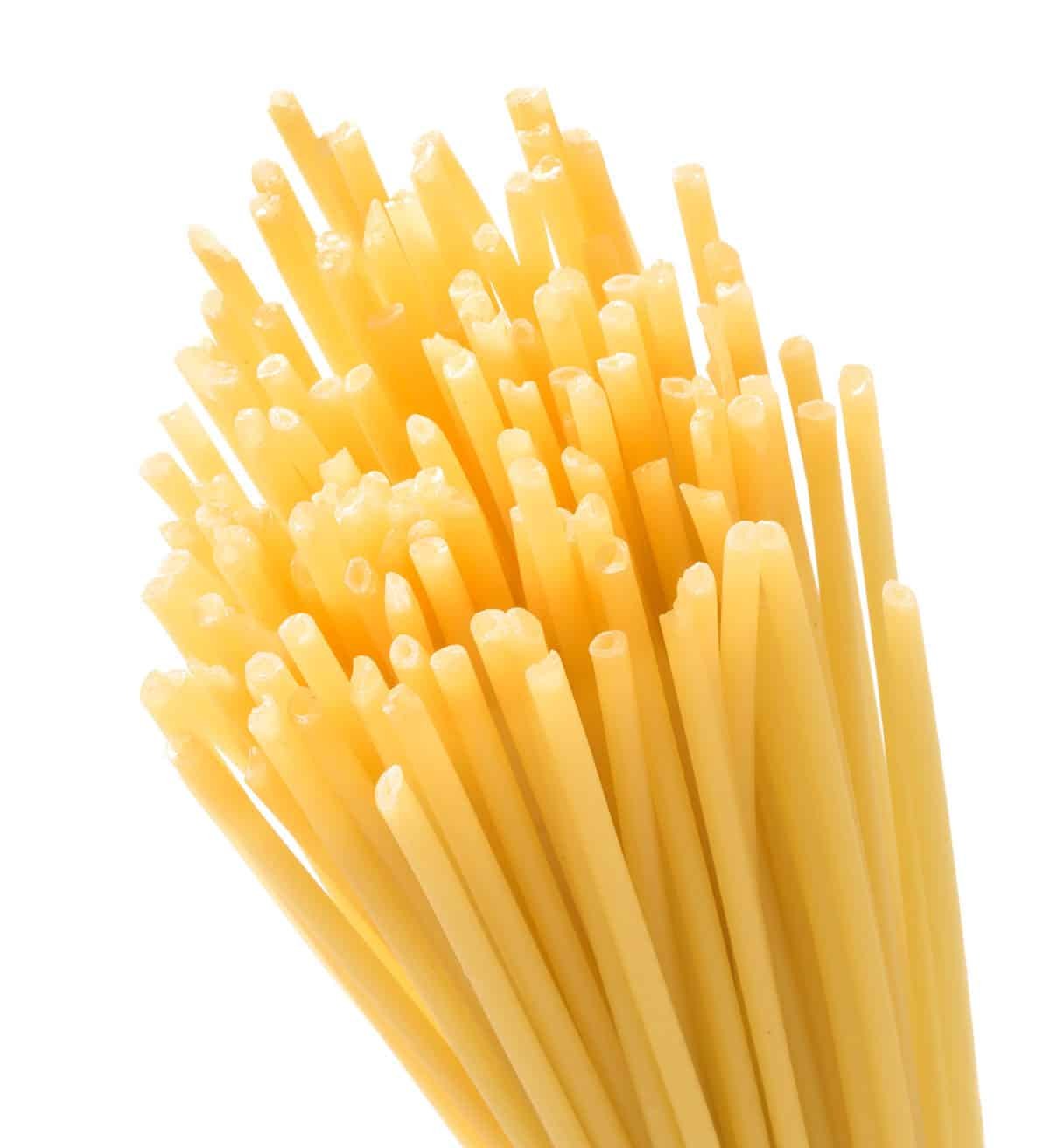
Spaghetti with a hole bored through it, so a thin sauce ends up inside the strand as well as around it. Thicker and noticeably chewier than spaghetti.
Linguine
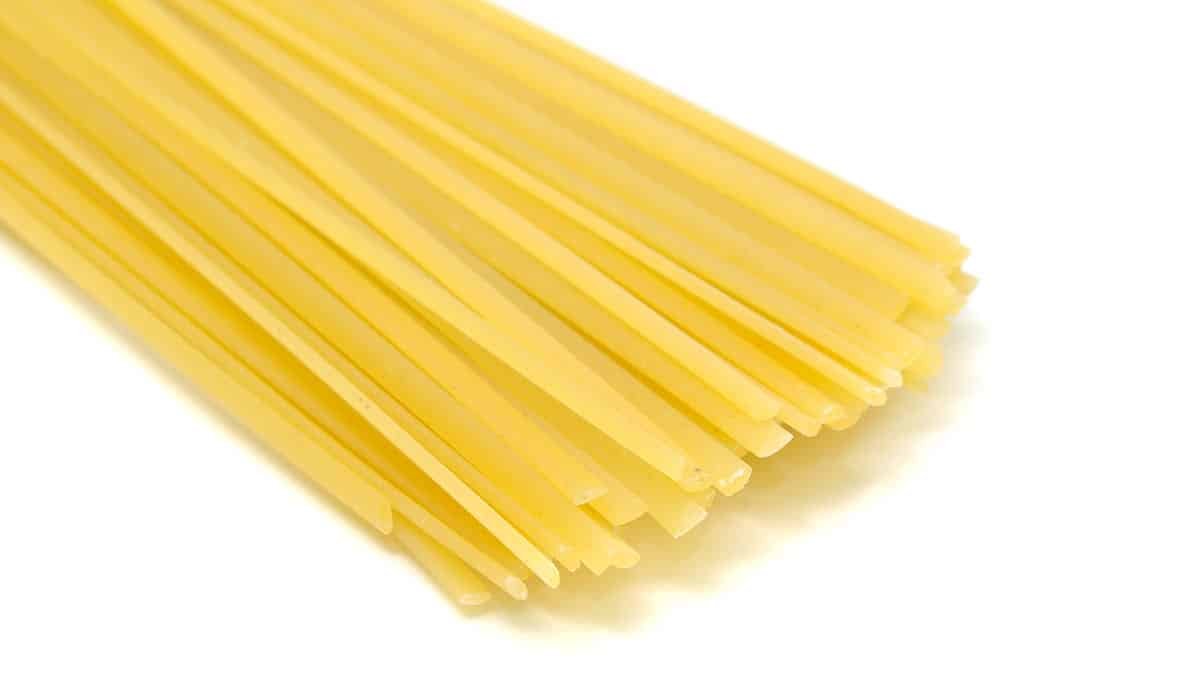
Flattened into a narrow oval, which gives it just enough extra surface for pesto and for seafood without tipping into ribbon territory.
Ziti
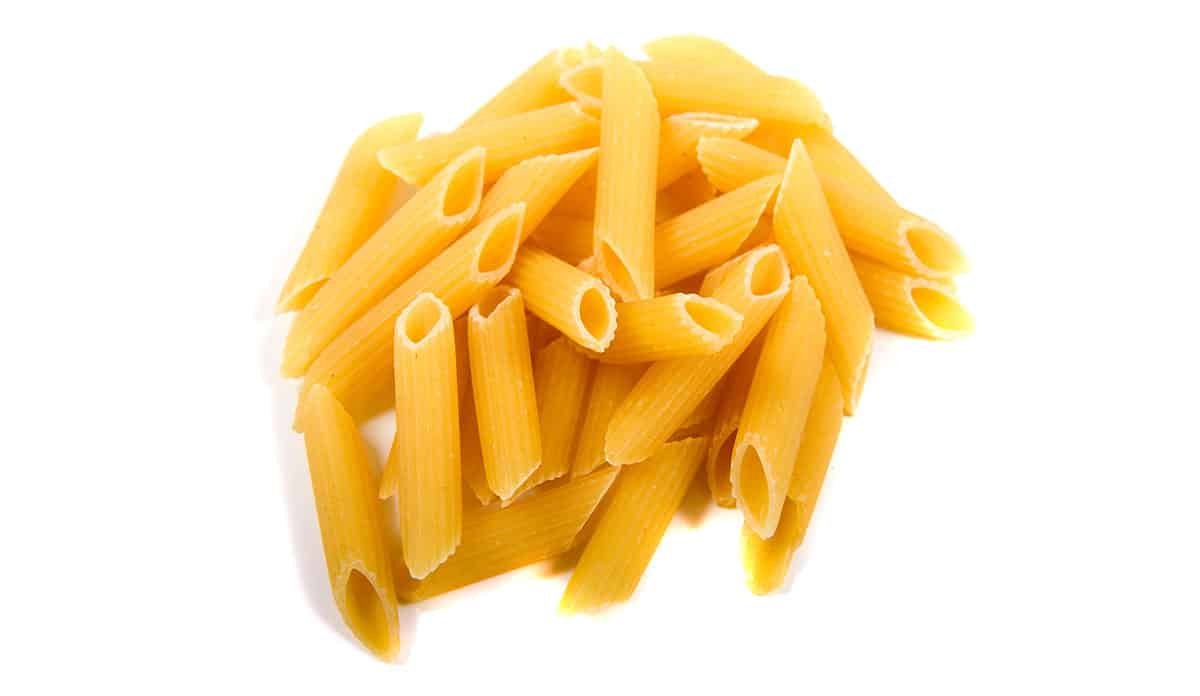
A smooth straight tube with no ridges at all. Olive oil and fresh tomato suit it; a heavy ragu slides straight off. Traditionally snapped before cooking.
Shapes for Cream and Cheese
Thick sauces need somewhere to sit. Every shape here has ridges, a hollow, a spiral or all three, and that is the whole design brief.
Cavatappi
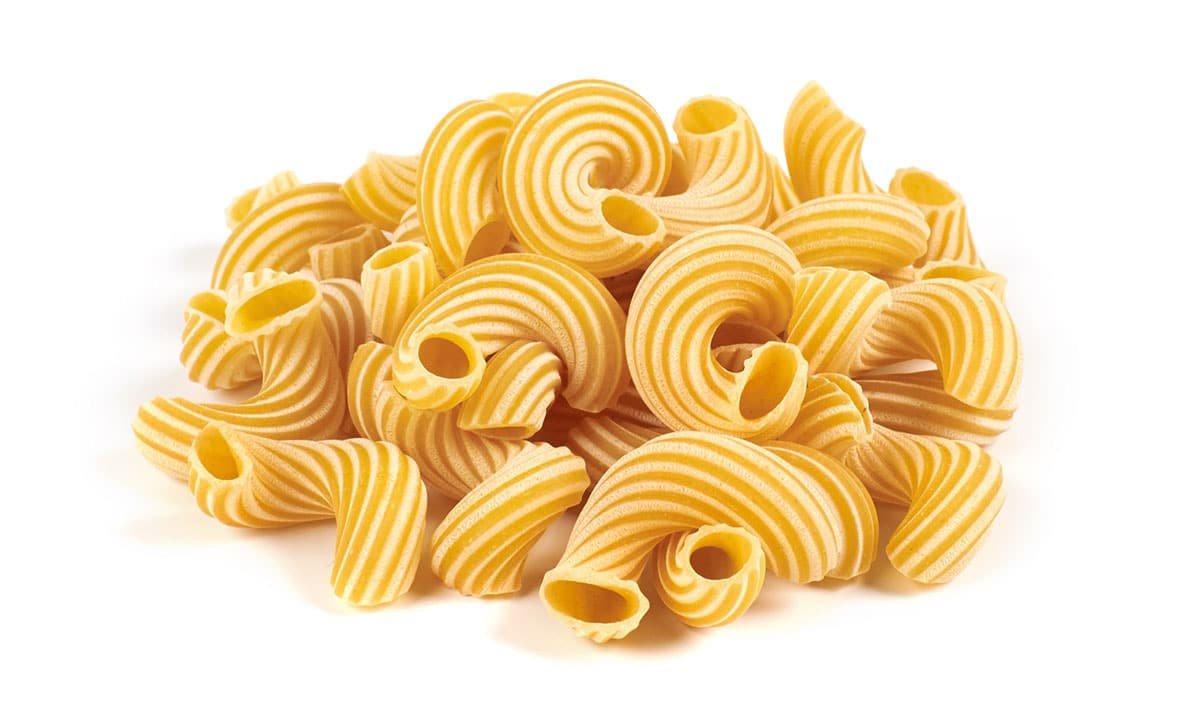
A hollow corkscrew, so sauce is held in the spiral and inside the tube at once. The best single shape on the shelf for a cheese sauce. Sold as Cellentani under trade name.
Penne
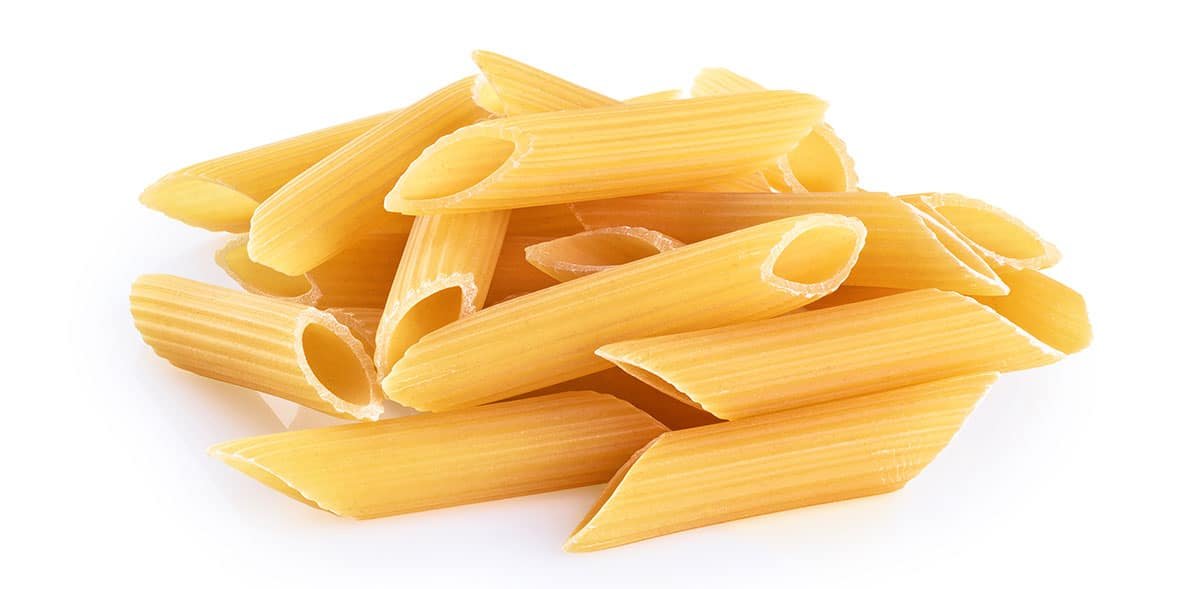
Cut on the diagonal and usually ridged. The diameter and the ridges together are what let it carry sauce over the whole surface. Cooks in 11 to 12 minutes.
Conchiglie
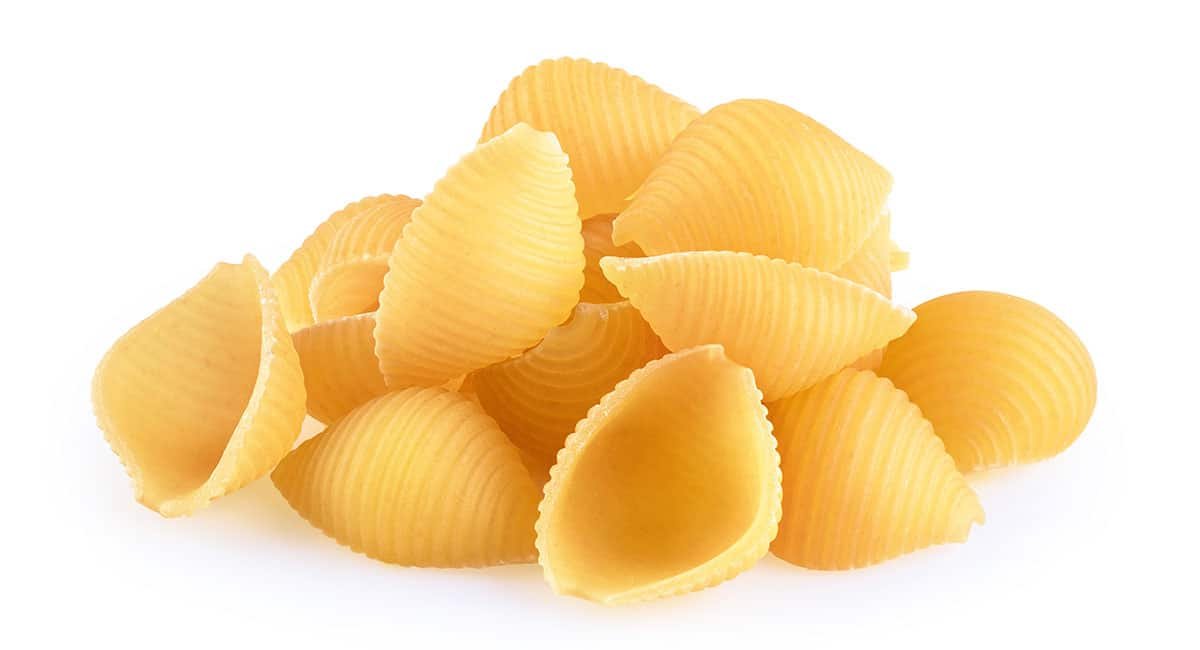
Shells, which work as scoops. The medium size goes into bakes and salads; the large sizes are stuffed and baked under sauce.
Radiatori
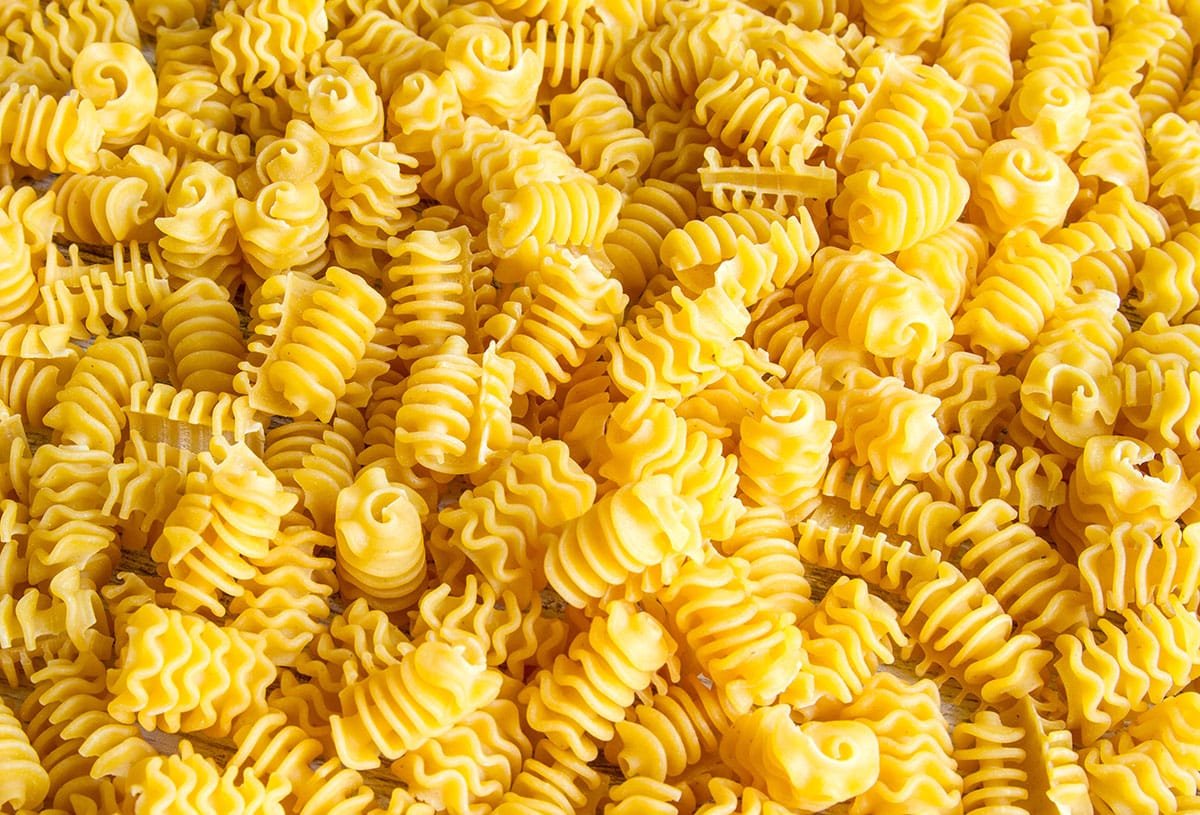
A comb of ruffled ridges on a short body, made to hold thick sauce and very little else. Nothing this size does the job as well.
Fusilli
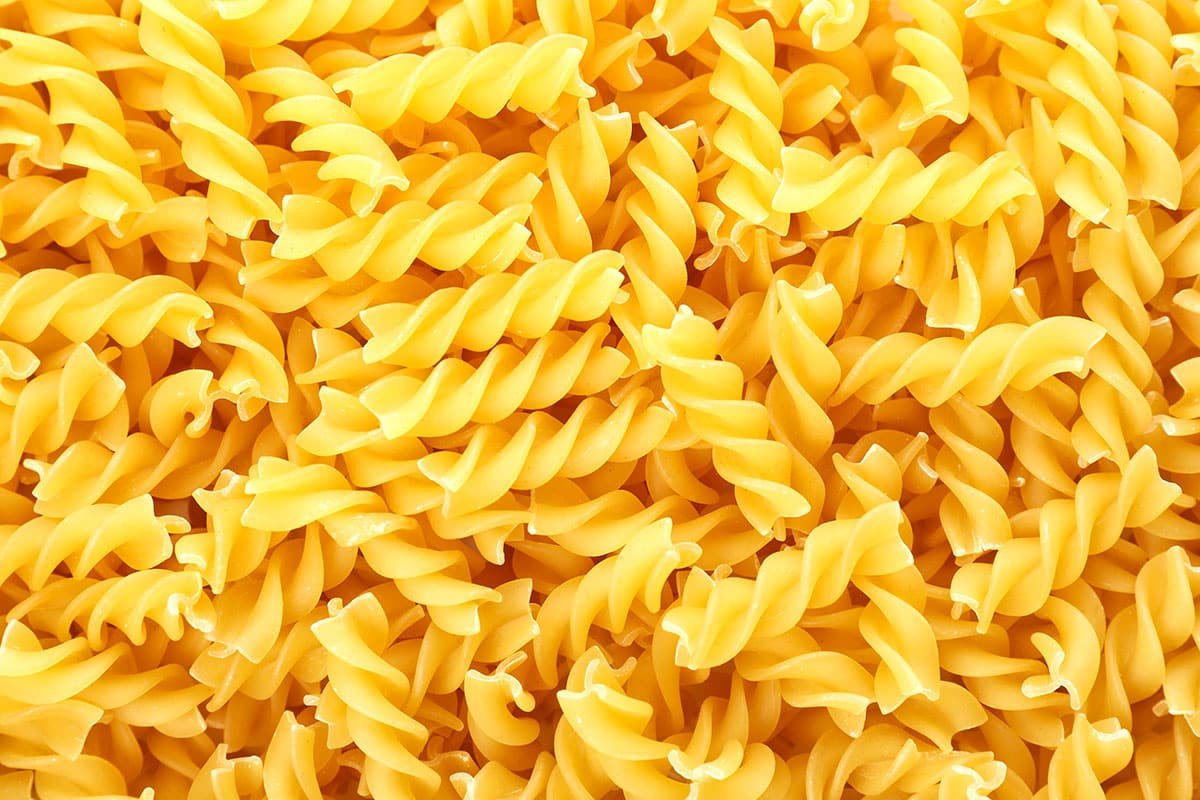
A tight corkscrew, sold in the United States as rotini. Thick sauce lodges in the spiral and stays there. The hollow version is fusilli bucati.
Fettuccine
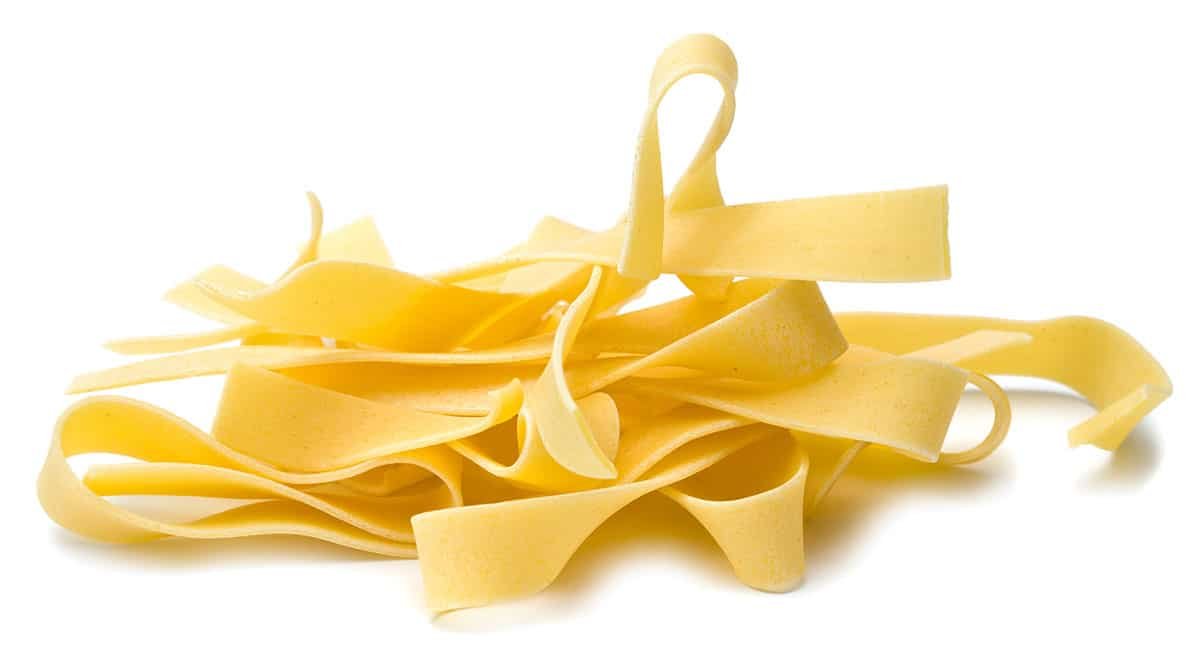
A flat ribbon about a quarter of an inch wide, broad enough for butter and cream to stay put. The shape most people picture with alfredo.
Casarecce
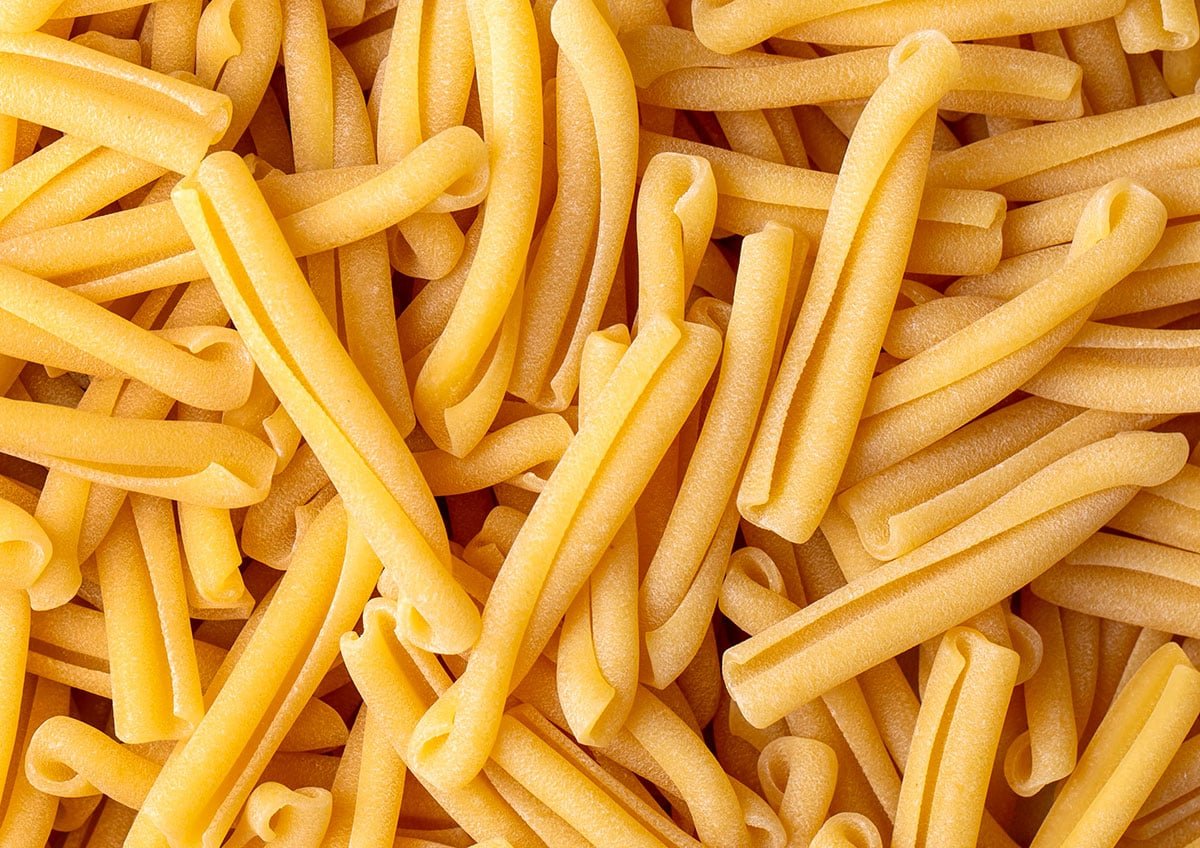
A short rolled length with a groove down the centre, from Sicily. The groove is a channel for sauce and the twist stops it rolling off the fork.
Shapes for Chunky Meat Sauce
A sauce with pieces in it needs a shape large enough to carry them, otherwise the meat ends up at the bottom of the bowl and the pasta arrives plain.
Rigatoni
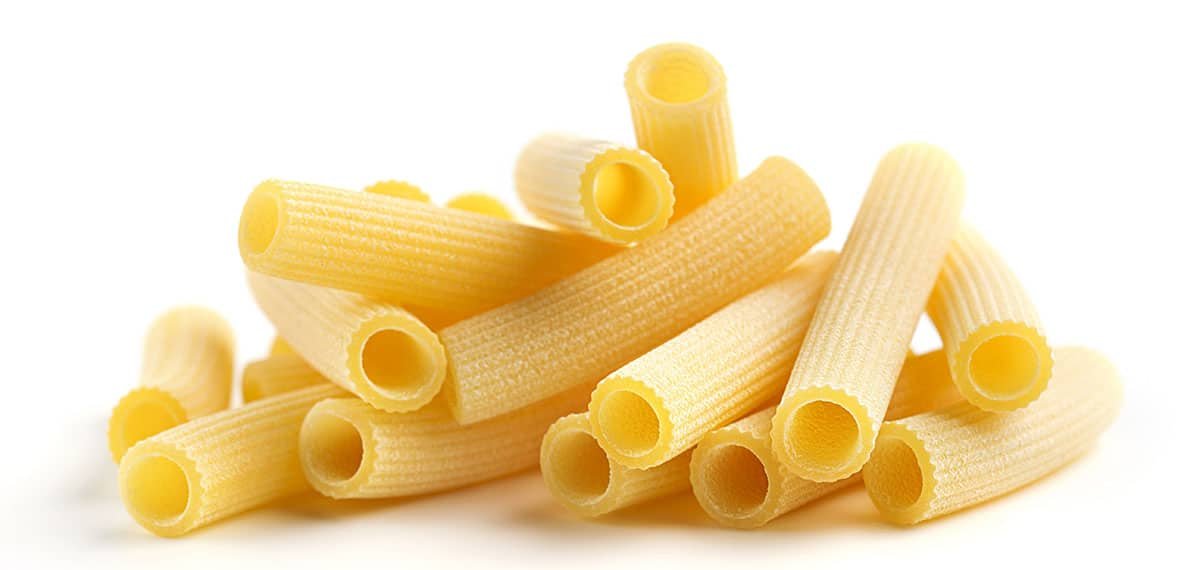
Wide, straight and always ridged. The standard for a long-cooked meat sauce and the slowest shape on the shelf at 12 to 13 minutes.
Paccheri
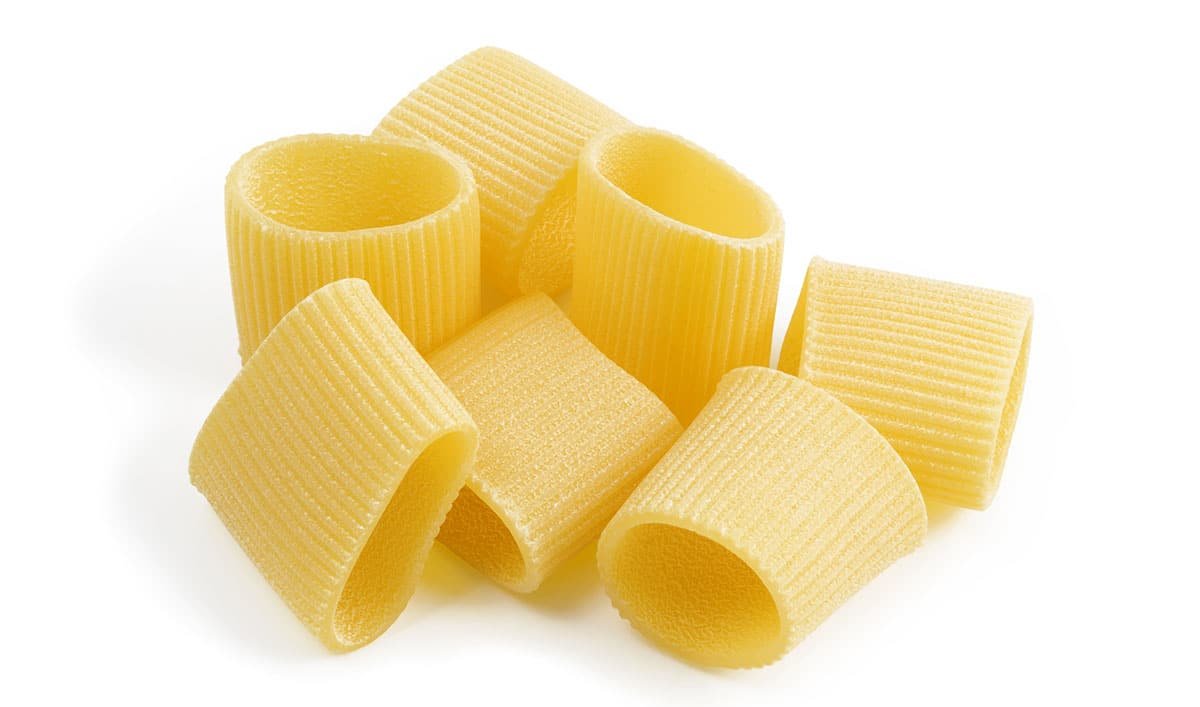
Very large smooth tubes that slump a little when cooked, so pieces of sauce end up inside them. Often stuffed instead of sauced.
Pappardelle
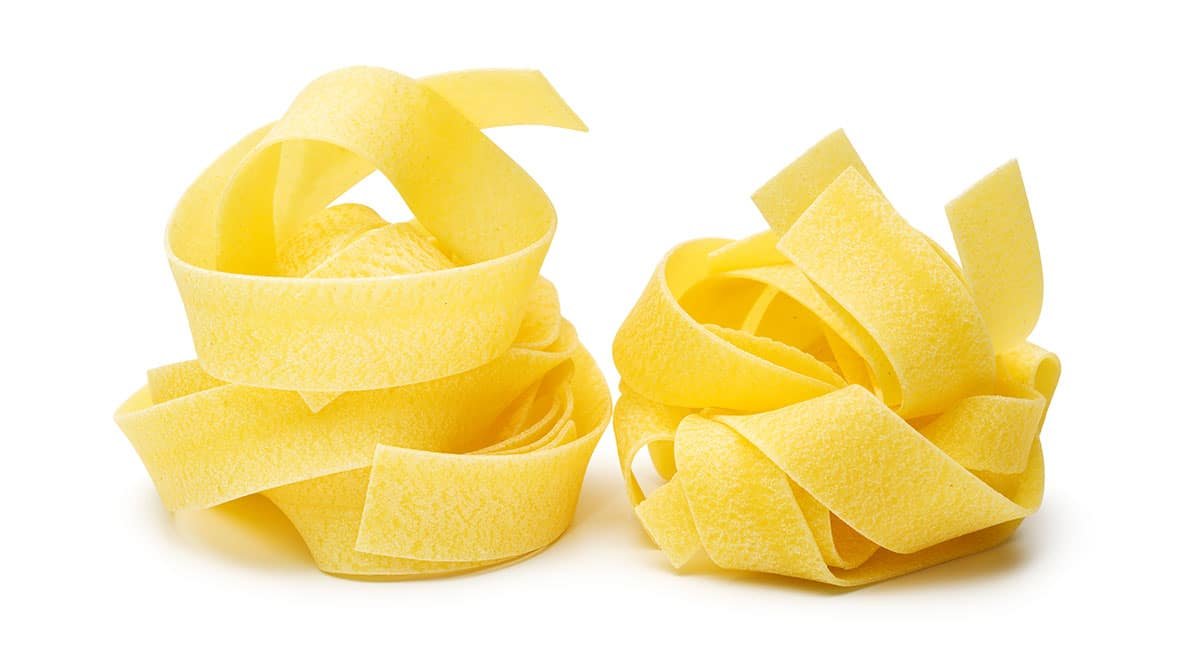
The widest ribbon made, and the traditional base for game and other heavy ragus. Sauce sits on it rather than running off.
Tagliatelle
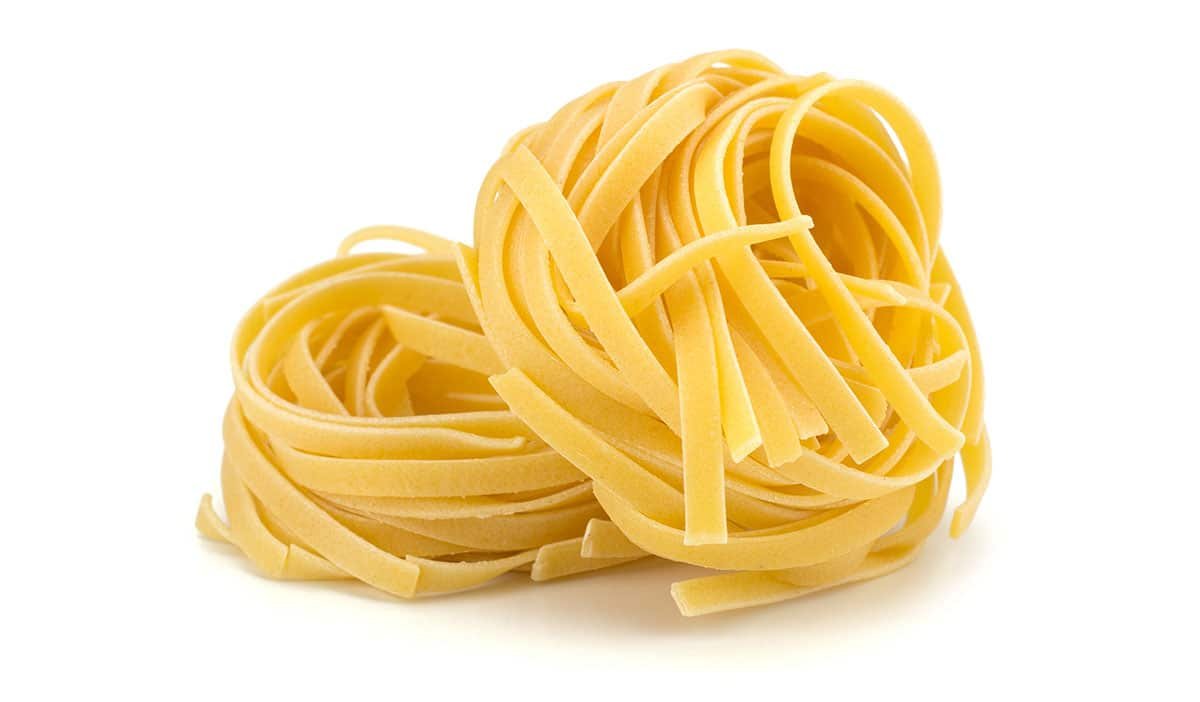
Narrower than pappardelle and the classic northern Italian partner for a slow meat sauce. Usually sold coiled into nests.
Gemelli
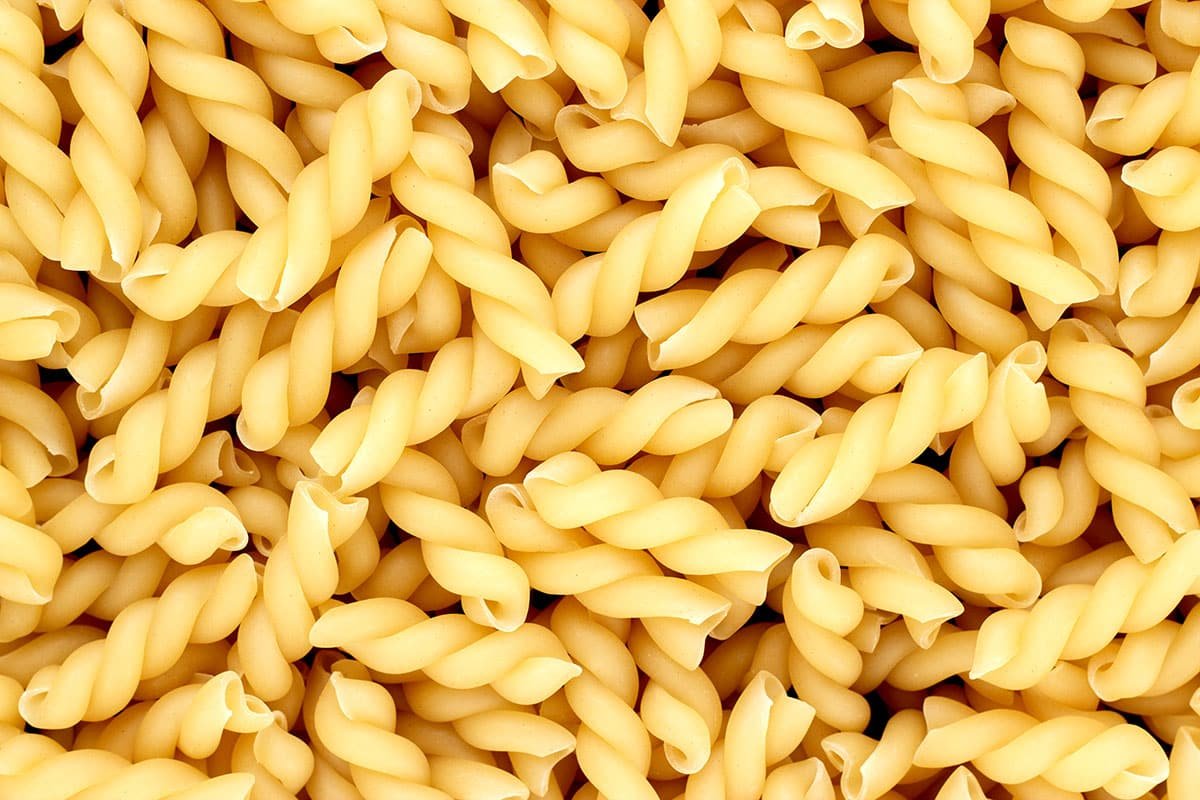
Two short strands twisted together, the name meaning twins. The groove where they meet traps sauce the way a single rope would not.
Orecchiette
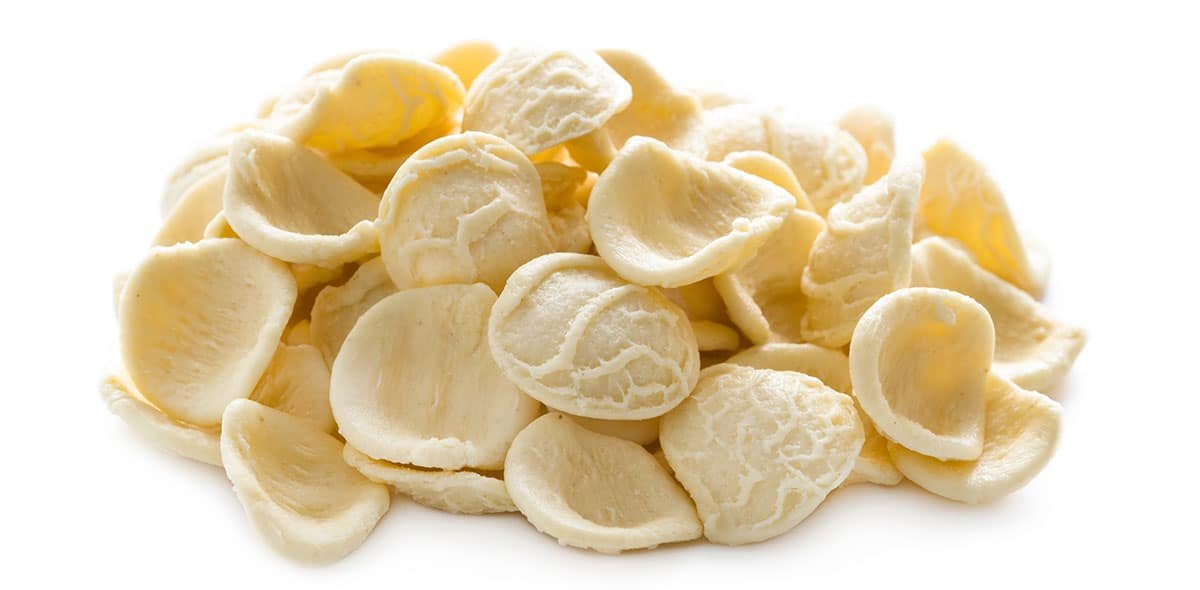
Little ears, pressed with a thumb so the centre is thinner than the rim. The hollow catches small pieces, which is why it is served with sausage and broccoli rabe.
Lasagne
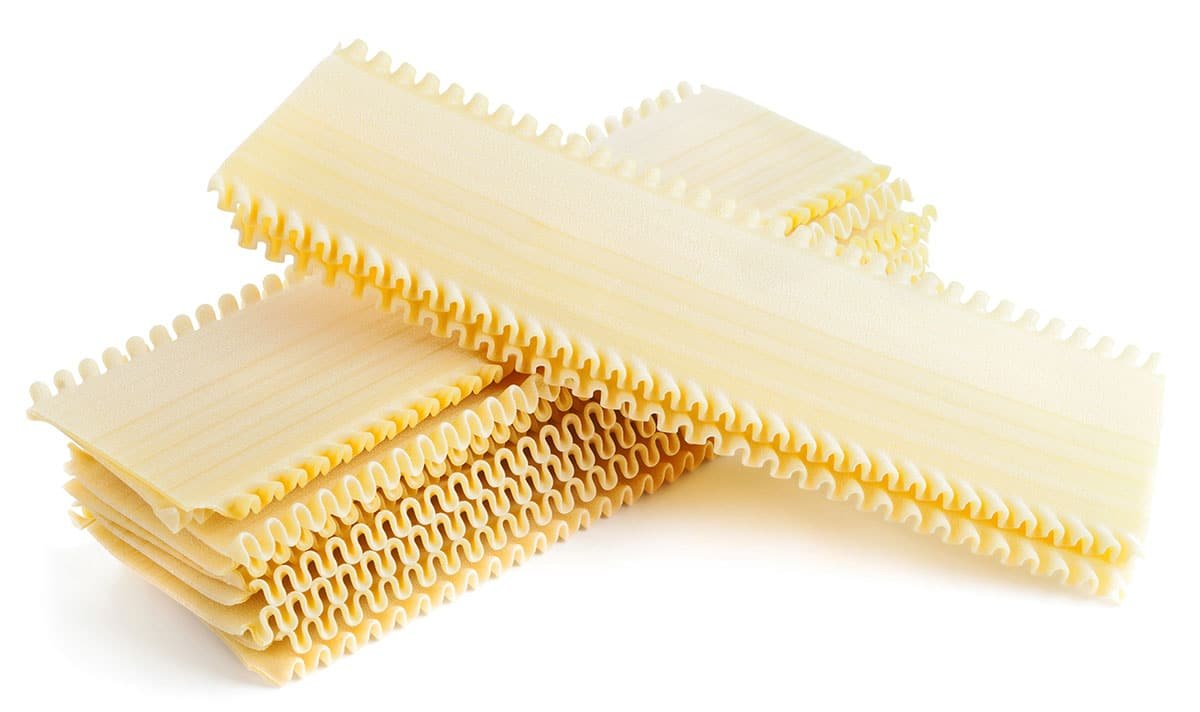
Flat sheets, layered with the sauce rather than tossed through it. Sold flat, wavy-edged, and in oven-ready versions that skip the boiling step.
Shapes for Soup and Cold Salad
Two jobs here, and they share a requirement: the shape has to hold its outline without any sauce coating it at all.
Orzo
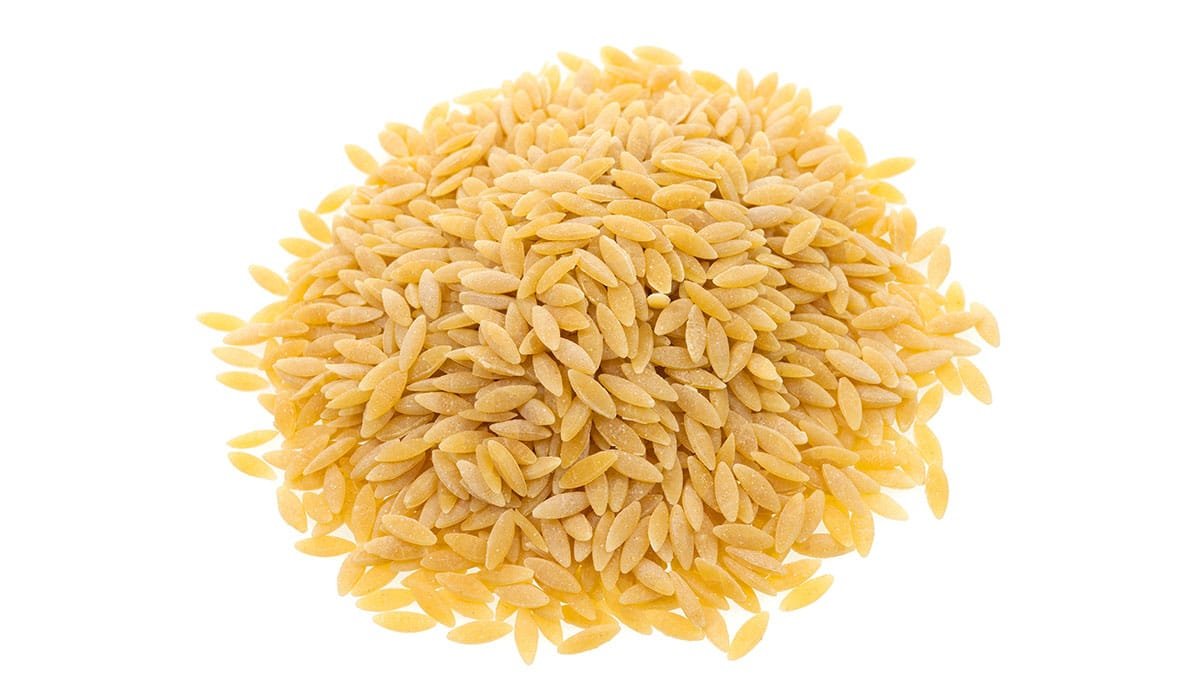
Shaped like a large grain of rice. It goes into soup, into cold salad, and in place of arborio rice in a risotto. Cooks in 9 to 10 minutes, slower than its size suggests.
Stelle
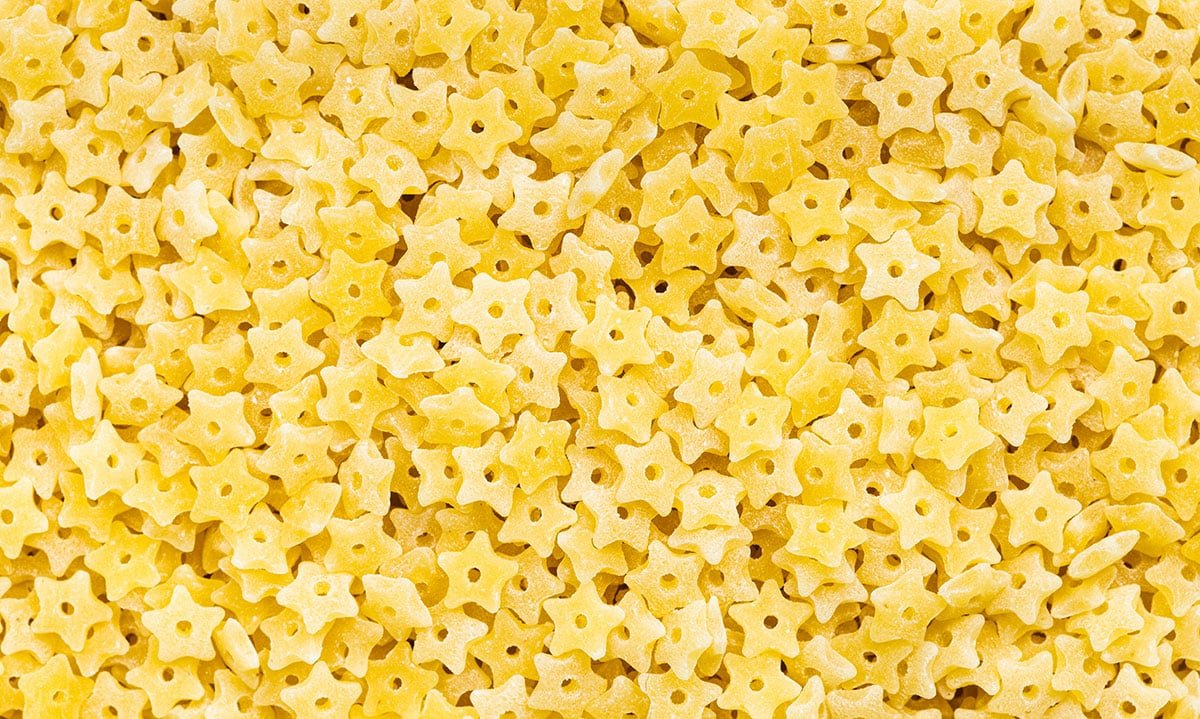
Tiny stars, one of the pastina shapes and the usual soup pasta for children. Cooked in the broth rather than drained.
Ditalini
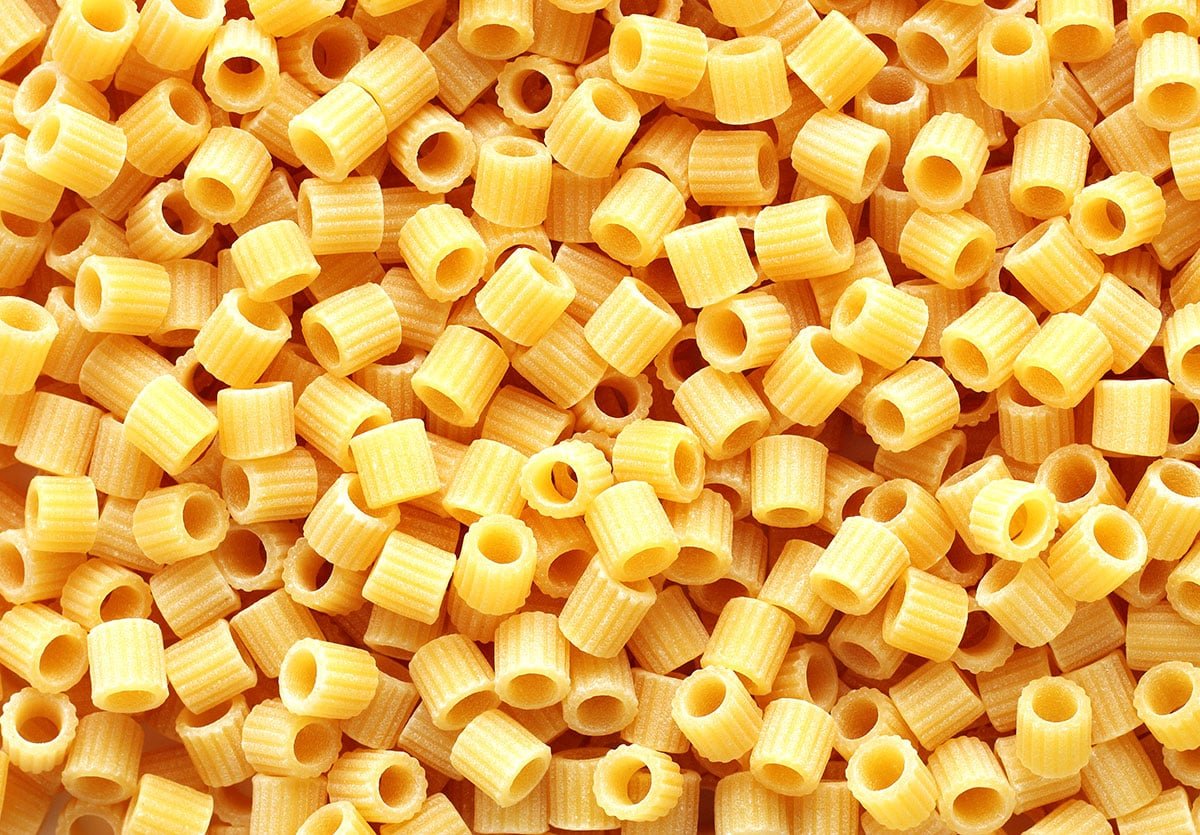
Small thimbles, used in pasta e fagioli and other bean soups. Large enough to chew, small enough for a spoon.
Elbow macaroni
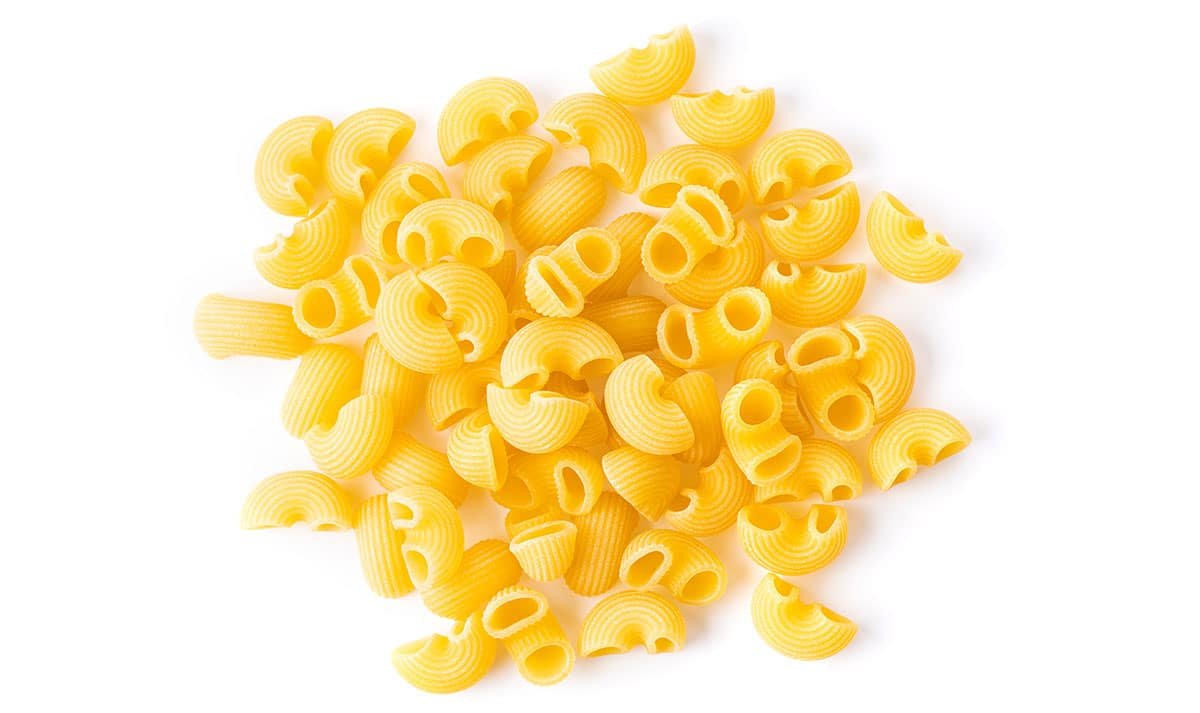
Behind macaroni cheese and most cold pasta salad. At 7 to 8 minutes it is among the faster shapes, and the bend holds a cheese sauce well.
Farfalle
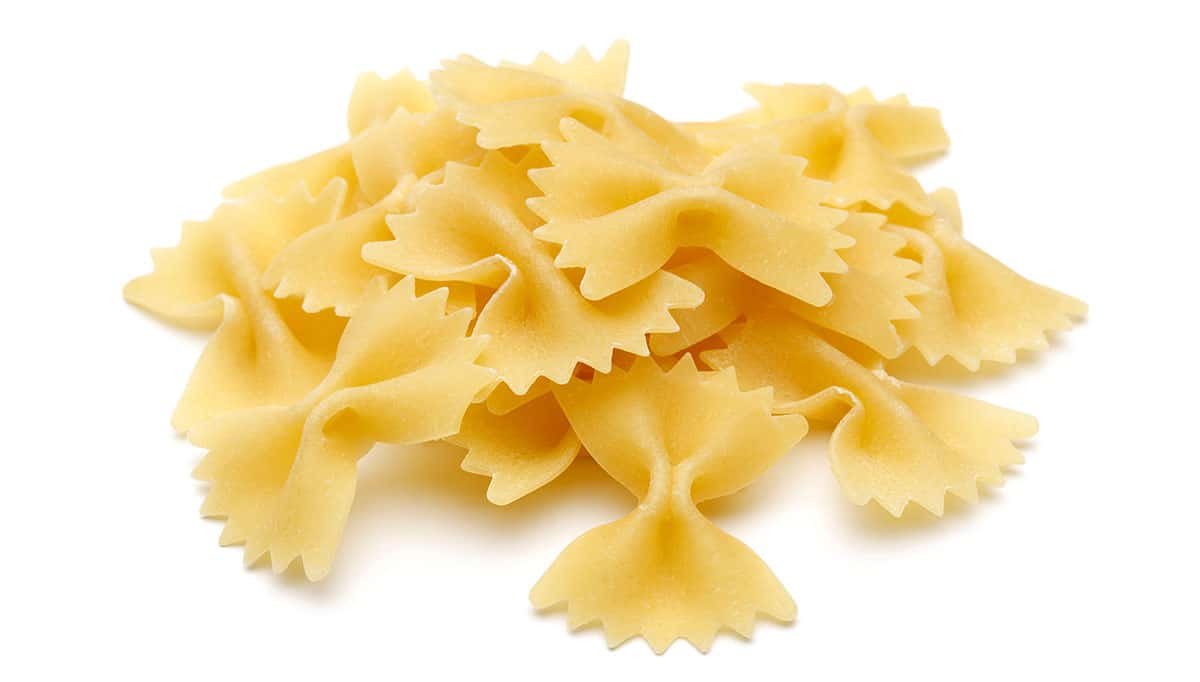
Pinched into a bow. The pinch stays firm while the wings soften, which gives one shape two textures and makes it hold up in a cold salad.
Rotelle
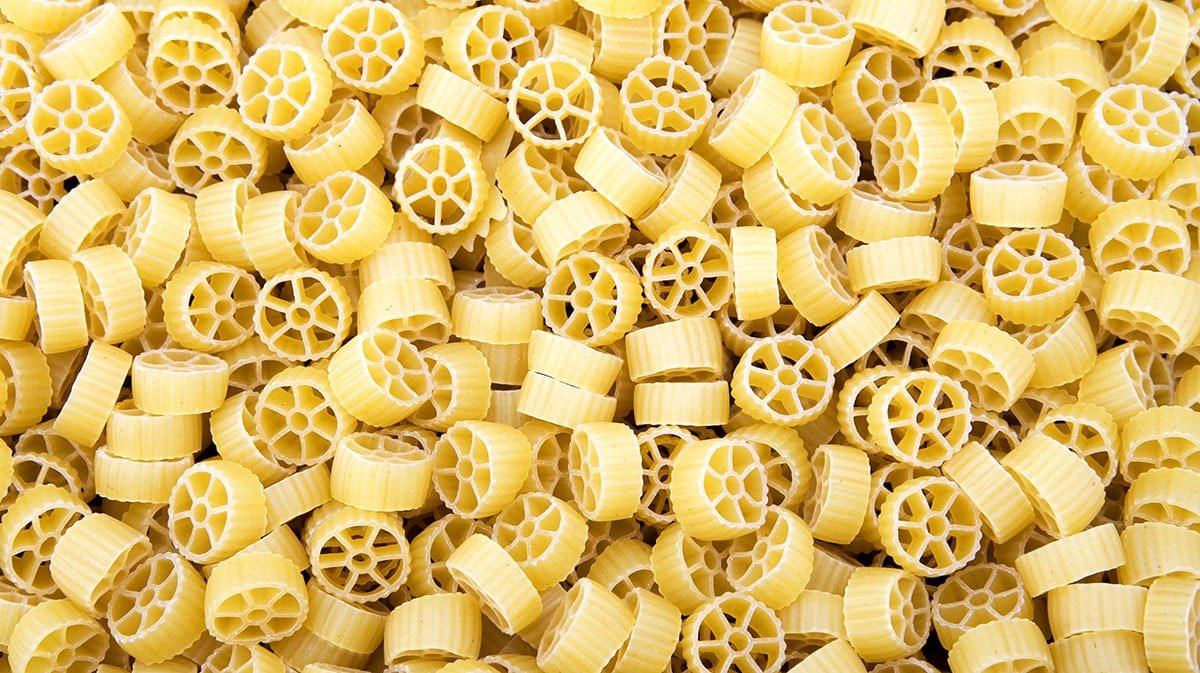
Spoked wheels, used cold because the shape stays legible on a plate and the spokes catch small pieces of vegetable.
Cooking Times for Every Shape
Shape determines cooking time far more than brand does, and the range is wide enough that reusing the same timer for a different shape will overcook or undercook it. These are the times Barilla prints for each shape in its standard range.
| Family | Shape | Minutes |
|---|---|---|
| Long | Angel hair | 4 to 5 |
| Long | Thin spaghetti | 6 to 7 |
| Long | Linguine | 9 to 10 |
| Long | Spaghetti | 9 to 10 |
| Tube | Elbow macaroni | 7 to 8 |
| Tube | Ditalini | 10 to 11 |
| Tube | Mezzi rigatoni | 10 to 11 |
| Tube | Mostaccioli | 10 to 11 |
| Tube | Penne | 11 to 12 |
| Tube | Ziti | 11 to 12 |
| Tube | Rigatoni | 12 to 13 |
| Shaped | Mini farfalle | 7 to 8 |
| Shaped | Rotini | 7 to 8 |
| Shaped | Medium shells | 8 to 9 |
| Shaped | Pipette | 8 to 9 |
| Shaped | Campanelle | 10 to 11 |
| Shaped | Cavatappi | 11 to 12 |
| Shaped | Gemelli | 12 to 13 |
| Soup | Pastina | 6 to 7 |
| Soup | Orzo | 9 to 10 |
Angel hair and the soup shapes are done before most sauces have finished reheating, so the sauce goes on first. Rigatoni and gemelli take long enough to make a simple sauce from scratch while they boil.
Names That Mean the Same Shape
Shape names vary by region, by brand and by whether a shop uses the Italian or the English word. These are the pairs that cause the most confusion in a supermarket aisle.
| Shape | Also sold as | What to know |
|---|---|---|
| Cavatappi | Cellentani | The same hollow corkscrew under a trade name |
| Elbow macaroni | Gomiti, chifferi | Short curved tube |
| Conchiglie | Shells | Italian and English for the same shape |
| Rotini | Fusilli | Both spirals; fusilli is the tighter corkscrew |
| Mostaccioli | Penne lisce | Smooth penne, without the ridges |
| Pastina | Stelle, acini di pepe | A category of tiny soup shapes, not one shape |
One word is worth learning on sight. Rigate means ridged and lisce means smooth, so penne rigate and penne lisce are the same tube with and without grip. With anything thicker than oil, rigate is the safer buy.
What the Pasta Itself Is Made Of
Italian dried pasta is semolina and water, and nothing else. Semolina is milled from durum wheat, which is harder than bread wheat, and that hardness is what lets a thin ridge survive twelve minutes of boiling without dissolving.
- Dried semolina pasta. The default for every shape above. It holds structure under heavy sauces and keeps indefinitely in a cupboard.
- Fresh egg pasta. A different product rather than a better one. It cooks in two to four minutes and suits butter and cream rather than ragu.
- Bronze-drawn pasta. Extruded through bronze dies instead of teflon, which leaves the surface visibly rough and pale. The roughness grips sauce, which matters most on smooth shapes with no ridges doing that job.
- Wholewheat and legume pasta. Made from different flours entirely, so the cooking times above do not transfer.
Getting the Boil Right
- Four quarts of water per pound. Less and the water stops boiling when the pasta goes in, the starch concentrates, and the shapes stick to each other.
- Salt the water. It is the only moment the pasta itself can be seasoned.
- Start from a hard boil. Heating four quarts on a hob is slow, so filling the pan from an electric kettle cuts several minutes off.
- Take a minute off the packet time. Taste rather than trust it, because pasta finished in the sauce keeps cooking.
- Save a cup of the cooking water. Its starch is what binds the sauce to the shape.
Oil in the water is the advice to drop. It sits on the surface, does nothing about sticking, and coats the shapes as they are lifted out, so the sauce slides off exactly the ridges you paid for. Baked shapes such as ziti and lasagne go into the oven after that, and both fit a countertop toaster oven rather than needing a full one.
Frequently Asked Questions
How many pasta shapes are there?
Several hundred named shapes, many of them regional names for near-identical forms. The 25 above cover what a typical supermarket stocks, and every one belongs to one of four families.
Which pasta shape holds the most sauce?
A wide ridged tube or a hollow spiral. Rigatoni and cavatappi both hold sauce inside and outside at the same time, which is why they are used for ragu and for cheese sauces.
What is the difference between fusilli and rotini?
Both are spirals. Fusilli is the tighter corkscrew, often with a hollow centre; rotini is the looser twist sold widely in the United States. They substitute for each other without trouble.
Does pasta shape change the taste?
Not the taste of the pasta, but the taste of the mouthful. A shape that holds more sauce delivers more of it per bite, and a thick shape takes longer to soften, so the texture differs as well.