Microsoft went back to the bond market on 29 October for the first time in nine years and found it wide open. The company priced $25bn of senior unsecured notes that evening, its first US dollar sale since 2017, against roughly $115bn of investor orders.
Demand at 4.6 times the size of a deal that large is unusual. So is the sight of Microsoft borrowing at all, given how much cash the business throws off.
How the Microsoft bond market deal was structured
Ten tranches, maturing between 2028 and 2066. The long end is the interesting part: notes running four decades are priced on the assumption that the assets behind them are still productive in the 2060s, which is a particular view of what is being built right now.
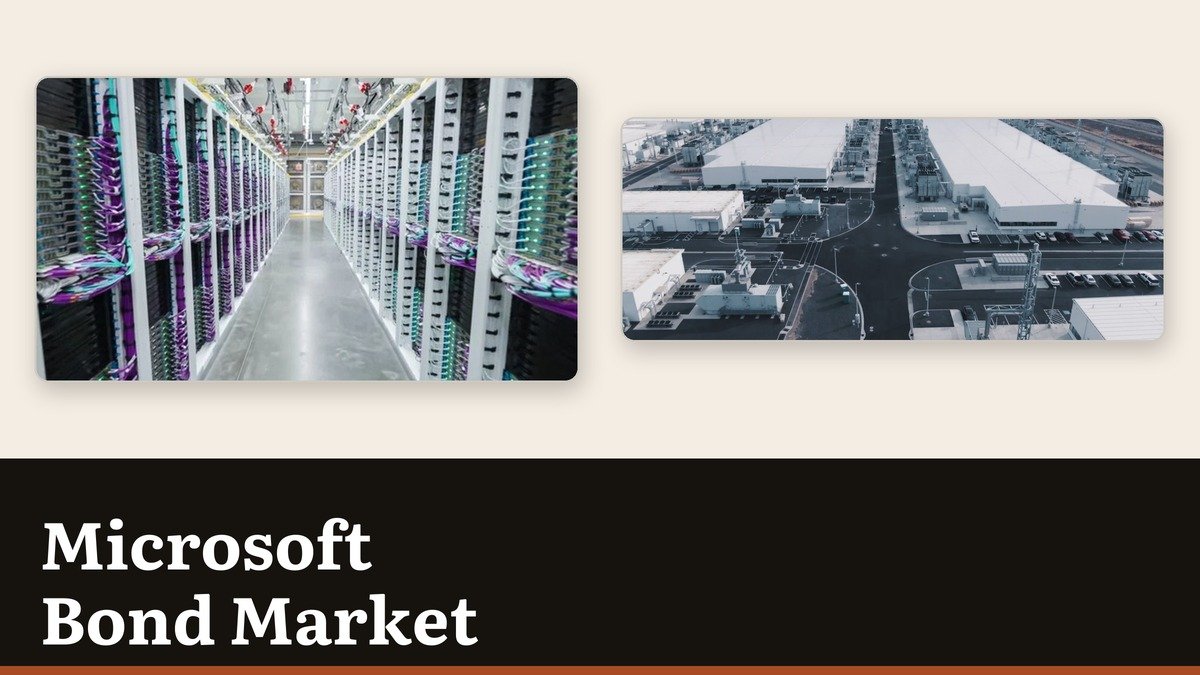
The official purpose is general corporate purposes including capital expenditures. The unofficial one is a number Microsoft published a day earlier, when it said it expects capital expenditure above $50bn in the current quarter by itself.
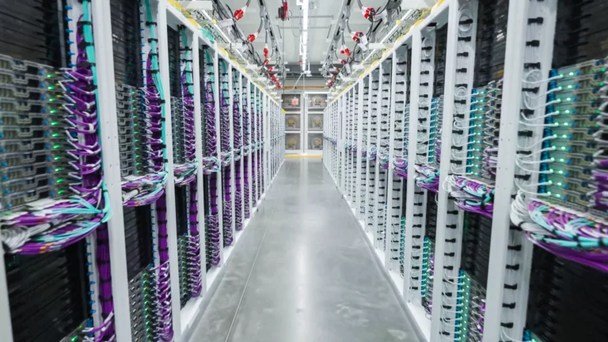
Those two numbers are close enough to be the point. Roughly one quarter of planned capital expenditure is what the raise covers, which makes this pre-funding of a programme already under way rather than money for something new.
A different kind of borrowing from last time
The 2017 deal raised $17bn and was associated with the LinkedIn purchase. That is debt against an identifiable thing, with an identifiable end. This raise funds a continuing construction programme, and construction programmes are considerably harder to stop once the debt is in place.
Microsoft is not alone in reaching this point. Alphabet raised $25bn in bonds in August and Amazon sold the same amount earlier in the year, though Amazon’s met a cooler response than this one did.
What the demand signals
The spread between how this deal was received and how the equity market treated other technology names the same week is the thing worth noticing. Intel shed almost 29% in a session on guidance, while Microsoft was handed $115bn of offers. Bond investors are distinguishing between companies with revenue that already exists and companies whose revenue is contingent on the build succeeding.
That is a rational line to draw, and it suggests financing for AI infrastructure is narrowing to a short list of names rather than drying up.
Nothing exotic was required to raise it, either. No pledged assets, no unusual structure, no project-specific security, just senior unsecured notes from a name the market was happy to take four decades of exposure to.
The part that is harder to reverse
Cash-funded expansion can be throttled in a quarter if demand softens. Debt-funded expansion cannot, because the coupons arrive whatever the utilisation rate looks like. Choosing maturities out to 2066 commits Microsoft to servicing this programme across economic conditions nobody can forecast.
For the applications all of this capacity is ultimately pointed at, our roundup of AI video generators covers the consumer end, and 24/7 Wall St set out the terms of the offering.